Author: admin

  • Anger, sadness, boredom, anxiety – emotions that feel bad can be useful

    Anger, sadness, boredom, anxiety – emotions that feel bad can be useful

    Remember the sadness that came with the last time you failed miserably at something? Or the last time you were so anxious about an upcoming event that you couldn’t concentrate for days?

    These types of emotions are unpleasant to experience and can even feel overwhelming. People often try to avoid them, suppress them or ignore them. In fact, in psychology experiments, people will pay money to not feel many negative emotions. But recent research is revealing that emotions can be useful, and even negative emotions can bring benefits.

    In my emotion science lab at Texas A&M University, we study how emotions like anger and boredom affect people, and we explore ways that these feelings can be beneficial. We share the results so people can learn how to use their emotions to build the lives they want.

    Our studies and many others have shown that emotions aren’t uniformly good or bad for people. Instead, different emotions can result in better outcomes in particular types of situations. Emotions seem to function like a Swiss army knife – different emotional tools are helpful in specific situations.

    Sadness can help you recover from a failure

    Sadness occurs when people perceive that they’ve lost a goal or a desired outcome, and there’s nothing they can do to improve the situation. It could be getting creamed in a game or failing a class or work project, or it can be losing a relationship with a family member. Once evoked, sadness is associated with what psychologists call a deactivation state of doing little, without much behavior or physical arousal. Sadness also brings thinking that is more detailed and analytical. It makes you stop and think.

    The benefit of the stopping and thinking that comes with sadness is that it helps people recover from failure. When you fail, that typically means the situation you’re in is not conducive to success. Instead of just charging ahead in this type of scenario, sadness prompts people to step back and evaluate what is happening.

    When people are sad, they process information in a deliberative, analytical way and want to avoid risk. This mode comes with more accurate memoryjudgment that is less influenced by irrelevant assumptions or information, and better detection of other people lying. These cognitive changes can encourage people to understand past failures and possibly prevent future ones.

    Sadness can function differently when there’s the possibility that the failure could be avoided if other people help. In these situations, people tend to cry and can experience increased physiological arousal, such as quicker heart and breathing rates. Expressing sadness, through tears or verbally, has the benefit of potentially recruiting other people to help you achieve your goals. This behavior appears to start in infants, with tears and cries signaling caregivers to help.

    Anger prepares you to overcome an obstacle

    Anger occurs when people perceive they’re losing a goal or desired outcome, but that they could improve the situation by removing something that’s in their way. The obstacle could be an injustice committed by another person, or it could be a computer that repeatedly crashes while you’re trying to get work done. Once evoked, anger is associated with a “readiness for action,” and your thinking focuses on the obstacle.

    The benefit of being prepared for action and focused on what’s in your way is that it motivates you to overcome what’s standing between you and your goal. When people are angry, they process information and make judgments rapidly, want to take action, and are physiologically aroused. In experiments, anger actually increases the force of people’s kicks, which can be helpful in physical encounters. Anger results in better outcomes in situations that involve challenges to goals, including confrontational games, tricky puzzles, video games with obstacles, and responding quickly on tasks.

    Expressing anger, facially or verbally, has the benefit of prompting other people to clear the way. People are more likely to concede in negotiations and give in on issues when their adversary looks or says they are angry.

    Anxiety helps you prepare for danger

    Anxiety occurs when people perceive a potential threat. This could be giving a speech to a large audience where failure would put your self-esteem on the line, or it could be a physical threat to yourself or loved ones. Once evoked, anxiety is associated with being prepared to respond to danger, including increased physical arousal and attention to threats and risk.

    Being prepared for danger means that if trouble brews, you can respond quickly to prevent or avoid it. When anxious, people detect threats rapidly, have fast reaction times and are on heightened alert. The eye-widening that often comes with fear and anxiety even gives people a wider field of vision and improves threat detection.

    Anxiety prepares the body for action, which improves performance on a number of tasks that involve motivation and attention. It motivates people to prepare for upcoming events, such as devoting time to study for an exam. Anxiety also prompts protective behavior, which can help prevent the potential threat from becoming a reality.

    Boredom can jolt you out of a rut

    There is less research on boredom than many other emotions, so it is not as well understood. Researchers debate what it is and what it does.

    Boredom appears to occur when someone’s current situation is not causing any other emotional response. There are three situations where this lack can occur: when emotions fade, such as the happiness of a new car fading to neutral; when people don’t care about anything in their current situation, such as being at a large party where nothing interesting is happening; or when people have no goals. Boredom does not necessarily set in just because nothing is happening – someone with a goal of relaxation might feel quite content sitting quietly with no stimulation.

    Psychology researchers think that the benefit of boredom in situations where people are not responding emotionally is that it prompts making a change. If nothing in your current situation is worth responding to, the aversive experience of boredom can motivate you to seek new situations or change the way you’re thinking. Boredom has been related to more risk seeking, a desire for novelty, and creative thinking. It seems to function like an emotional stick, nudging people out of their current situation to explore and create.

    Using the toolkit of emotion

    People want to be happy. But research is finding that a satisfying and productive life includes a mix of positive and negative emotions. Negative emotions, even though they feel bad to experience, can motivate and prepare people for failure, challenges, threats and exploration.

    Pleasant or not, your emotions can help guide you toward better outcomes. Maybe understanding how they prepare you to handle various situations will help you feel better about feeling bad.

    Bibliography 

    Professor of Psychological and Brain Sciences, Texas A&M University

    This article was originally published in The Conversation.

  • How does the brain think?

    How does the brain think?

    Have you ever wondered how your brain creates thoughts or why something randomly popped into your head? It may seem like magic – but actually the brain is like a supercomputer inside your head that helps you think, learn and make decisions.

    Imagine your brain as a busy city with lots of streets and buildings. Each part of the brain has a specific job to do, just like certain areas of a city or certain buildings serve different purposes. When you have a thought, it’s like a message traveling through the city, passing from one area to another.

    As a professor of psychology and neuroscience, I have studied the brain for almost 20 years. Neurologistsneuroscientists and neurosurgeons work every day to understand the brain better. And there’s still a lot to learn.

    Practice and repetition create skills

    The neuron is a key player in the brain – these are tiny cells that send and receive signals and messages so they can communicate with each other.

    Your brain has somewhere between 80 billion and 100 billion neurons. Neurons tend to group together to form neural tracts, which would be like the streets and highways in the city analogy. When you have a thought, neurons in your brain fire up and create electrical impulses. These impulses tend to travel along similar pathways and release tiny chemicals called neurotransmitters along the way.

    These neurotransmitters are like the construction crew that builds the roads, making it easier for the messages to be delivered. You can imagine it as a dirt road, but as more traffic – that is, neuron signals – travel the dirt road, the road gets upgraded to a paved street. If the traffic continues, it gets upgraded to a highway.

    As you learn new things and experience the world around you, these connections grow stronger. For example, when you are learning to ride a bike, you may be unsteady and find it hard to coordinate all of the different muscles along with your ability to balance. But the more you practice, the more the neurons controlling your muscles and your ability to balance fire together, which makes it much easier as you practice. Neurons are wiring together and forming neural networks.

    That’s why practice and repetition are important for improving your skills, whether playing the piano or learning a language. Neural networks are created and then strengthened the more times they communicate together. Scientists have a saying in this field: “Neurons that fire together wire together.” Certain thinking or behavior patterns can be chalked up to this kind of repeated synchronized activity.

    Developing creativity

    You are conscious of only a very small portion of the information your brain takes in. It is constantly receiving input from your senses – sights, sounds, tastes, smells and touch. When you see a cute puppy or hear your favorite song, your senses send signals to the brain, triggering a chain reaction of thoughts and emotions.

    The brain also stores memories, which are like files in a computer that you can access whenever you need them. Memories help shape your thoughts and influence how you see the world.

    If you remember a fun day at the beach, it might make you feel happy and relaxed. If you smell an apple pie, it may remind you of your grandma’s baking. These thoughts are triggered because these pleasant associations have been formed in your brain, and through repetition, strengthened over time.

    Creativity is another superpower of the brain. When you let your imagination run wild, your brain can come up with new ideas, stories and inventions. Artists, writers and scientists all use their creative brains to explore new possibilities and solve problems.

    Have you ever experienced a “eureka” moment when a brilliant idea pops into your head out of nowhere? That’s your brain’s way of connecting the dots and coming up with a solution.

    Keeping your brain healthy

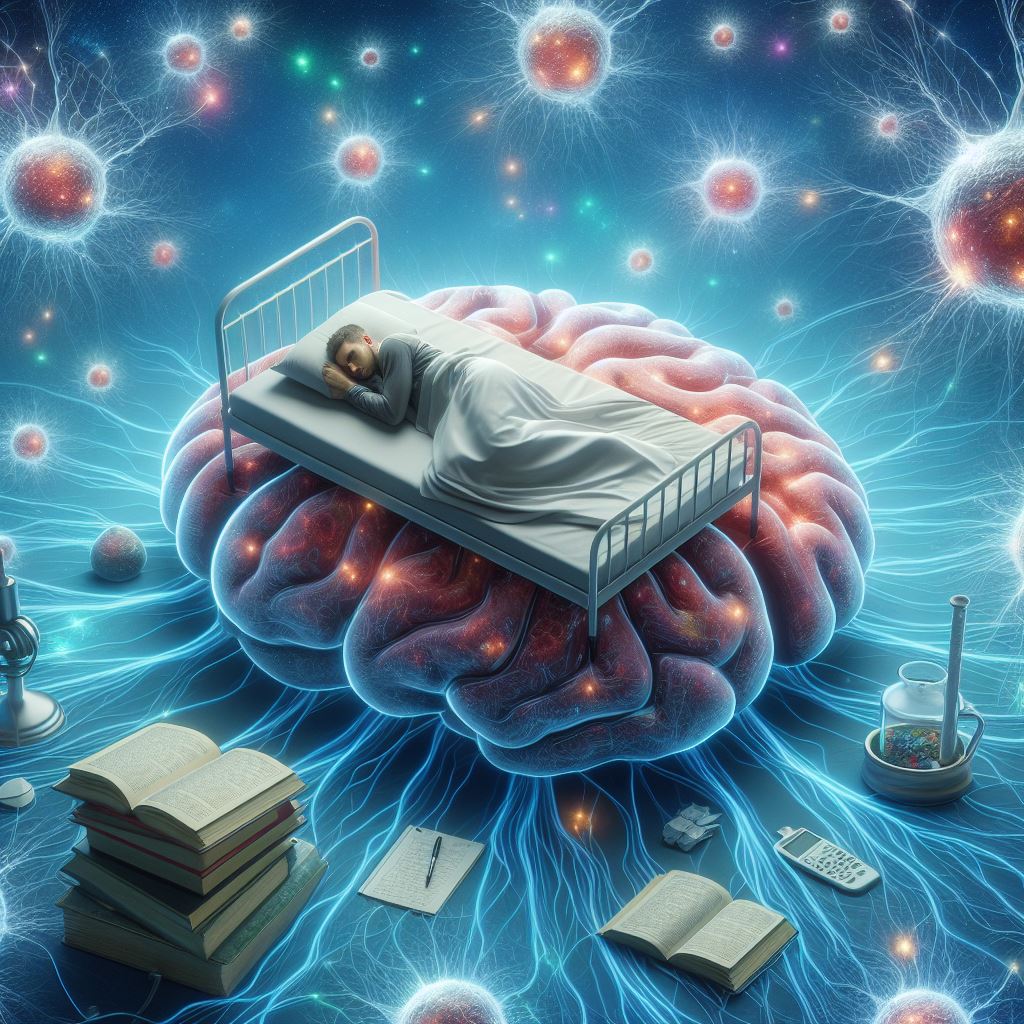
    Most scientists agree that sleep is really important for your brain to process information from the day and to allow it to rest and form new connections. A lot of people find that they have new ideas or thoughts after a good night’s sleep. The opposite is true, too – without enough sleep, you may feel like you can’t think straight.

    Along with enough sleep, eat healthy foods and exercise. Just like a car needs fuel to run smoothly, your brain needs nutrients and oxygen to function at its best and to boost your thinking power.

    Activities that challenge you are also great: reading, doing puzzles, playing music, making art, doing math, writing essays and book reports and journalingPositive thinking also helps. Keep in mind that whatever you are consuming – what you’re eating or what you’re watching, listening to or reading – has the power to influence your brain.

    Conversely, smoking cigarettesvapingdrinking alcohol and using drugs kills brain cells. So might head injuries that can occur when playing sports such as football, soccer and bicycling – but wearing a helmet can make a big difference.

    The brain is a fascinating organ that works tirelessly to create thoughts, memories and ideas. As technology continues to improve, scientists will learn more and more about how biological processes give rise to our conscious experiences. The challenges of learning about the brain are like a neuroscientific moonshot – we have a long way to go before we completely understand how it works.

    Bibliography

    Professor of Psychology, Auburn University

    This article was originally published in The Conversation.

  • Inteligencia artificial en el quirófano

    Inteligencia artificial en el quirófano

    A lo largo de los años, ha sido evidente cómo la tecnología ha revolucionado muchas cosas en el campo de la medicina. El uso más común de la inteligencia artificial (IA) se ha convertido en un gran activo para varios profesionales de la medicina. Un reciente panel de destacados cirujanos debatió cómo la inteligencia artificial está transformando las cirugías. La IA está teniendo un gran impacto en todas las fases de las cirugías, desde antes de que un paciente entre en quirófano hasta después de que se recupere. A continuación se muestran algunos ejemplos de cómo la IA está proporcionando a los pacientes la mejor atención posible:


    Predicción de riesgos y complicaciones quirúrgicas

    La integración de la inteligencia artificial en el análisis de datos médicos ha aportado avances significativos en la predicción de la probabilidad de complicaciones quirúrgicas después y durante un procedimiento médico. Mediante el uso de aprendizaje automático avanzado, la tecnología de IA puede analizar grandes cantidades de datos de pacientes y generar perspectivas cruciales sobre los riesgos potenciales a los que puede enfrentarse un paciente durante el postoperatorio. Esta información proporciona a los cirujanos una comprensión más profunda de las necesidades de sus pacientes y les permite tomar decisiones de tratamiento más informadas, lo que en última instancia conduce a mejores resultados.

    Tomar decisiones quirúrgicas

    La inteligencia artificial tiene la capacidad de ofrecer a los cirujanos información vital y conocimientos valiosos en tiempo real durante las intervenciones quirúrgicas. En situaciones de gran tensión, la IA interviene para ayudar a los cirujanos a tomar decisiones óptimas, garantizando así que el procedimiento produzca los mejores resultados posibles. Al confiar en la tecnología de IA, los cirujanos pueden acceder a una mayor capacidad de toma de decisiones y lograr una mayor precisión en sus procedimientos.

    Mejorar la precisión quirúrgica

    Los robots quirúrgicos avanzados, impulsados por la tecnología de IA, han revolucionado el campo de la cirugía. Estos robots altamente desarrollados son capaces de ejecutar procedimientos complejos con precisión y exactitud, superando las capacidades incluso de los cirujanos humanos más expertos. La inclusión de la IA en la robótica quirúrgica es muy prometedora para mejora significativamente los resultados de los pacientes. Al disminuir la probabilidad de errores y complicaciones durante los procedimientos quirúrgicos, esta tecnología de vanguardia tiene el potencial de reducir los tiempos de recuperación y contribuir a mejorar los resultados generales de salud de los pacientes.

    Los profesionales médicos humanos siguen siendo importantes

    Sin duda, la IA se ha convertido en una herramienta importante en la asistencia sanitaria. Puede ayudar a médicos y enfermeras a diagnosticar y tratar a los pacientes, y también puede utilizarse para controlar su salud. Sin embargo, la IA no debe sustituir a los profesionales médicos humanos. La asistencia sanitaria no es sólo un conjunto de procedimientos, sino también la relación entre médicos, enfermeras y pacientes. Los médicos y las enfermeras tienen años de experiencia y formación que la IA no puede sustituir. Sus conocimientos ayudan a tomar decisiones importantes durante los procedimientos médicos. En casos complejos, se necesitan médicos experimentados para hacer diagnósticos precisos y desarrollar planes de tratamiento eficaces. La IA puede ayudar en las tareas, pero no puede sustituir los conocimientos y el criterio de los profesionales sanitarios. Es importante recordar que la IA es sólo una herramienta. El verdadero trabajo lo realizan los médicos y enfermeras que atienden a los pacientes a diario. La IA debe utilizarse para mejorar la atención que prestan, no para sustituirla.

    Conclusión

    Durante el panel de destacados cirujanos se abordaron los retos que plantea la incorporación de la tecnología de IA a los procedimientos quirúrgicos. Las directrices claras sobre el uso adecuado de la IA y el potencial de responsabilidad legal se identificaron como áreas de preocupación. A pesar de estos retos, la IA está contribuyendo al avance de la cirugía, mejorando la atención al paciente a través de una mayor seguridad, eficiencia y personalización.

    Bibliografía

    Surgeons, A. C. of. (n.d.). The AI Revolution: Surgeons Share Insights on Integrating AI into Surgical Care. Www.prnewswire.com. https://www.prnewswire.com/news-releases/the-ai-revolution-surgeons-share-insights-on-integrating-ai-into-surgical-care-301970279.html

  • Artificial Intelligence in the Operation Room: Helping Hands for a Brighter Future in Surgery

    Artificial Intelligence in the Operation Room: Helping Hands for a Brighter Future in Surgery

    Throughout the years, it has been evident how technology has revolutionized many things in the medical field. The more common use of artificial intelligence (AI) has become a great asset to several medical professionals. A recent panel of leading surgeons discussed how artificial intelligence is transforming surgery. AI is having a major impact on all stages of surgery, from before a patient goes into surgery to after they recover. The following demonstrates some of how AI is providing patients with the best possible care:

    Predicting Surgical Risks and Complications

    The integration of artificial intelligence in medical data analysis has brought significant breakthroughs in predicting the likelihood of surgical complications after and during a medical procedure. By using advanced machine learning, AI technology can analyze vast amounts of patient data and generate crucial insights into the potential risks that a patient might face during the postoperative period. This information gives surgeons a deeper understanding of their patient’s needs and allows them to make more informed treatment decisions, ultimately leading to better outcomes.

    Making Surgical Decisions

    Artificial intelligence has the ability to offer surgeons vital information and valuable insights in real time during surgeries. In high-stress situations, AI intervenes to assist surgeons in making optimal choices, thereby ensuring that the procedure yields the best possible results. By relying on AI technology, surgeons can access enhanced decision-making capabilities and bring about greater accuracy in their procedures.

    Improving surgical precision

    Advanced surgical robots, powered by AI technology, have revolutionized the field of surgery. These highly developed robots are capable of executing complex procedures with precision and accuracy, surpassing the capabilities of even the most skilled human surgeons. The inclusion of AI in surgical robotics holds great promise for significantly enhancing patient outcomes. By decreasing the likelihood of errors and complications during surgical procedures, this cutting-edge technology has the potential to reduce recovery times and contribute to improved overall health outcomes for patients.

    Human Medical Professionals are Still Important

    Undoubtedly, AI has become a valuable asset and important tool in healthcare. It can help doctors and nurses diagnose and treat patients, and can also be used to monitor patients’ health. However, AI should not replace human medical professionals. Healthcare is not only a set of procedures, but also about the relationship between doctors, nurses, and patients. Doctors and nurses have years of experience and training that AI can’t replace. Their expertise helps make important decisions during medical procedures.

    In complex cases, experienced physicians are needed to make accurate diagnoses and develop effective treatment plans. AI can provide aid with tasks, but it cannot replace the knowledge and judgment of healthcare professionals. It’s important to remember that AI is just a tool. The real work is done by doctors and nurses caring for patients daily. AI should be used to enhance the care that they provide, and not to replace it.

    Conclusion

    During the panel discussion, the challenges of incorporating AI technology into surgical procedures were addressed. Clear guidelines on the appropriate use of AI and the potential for legal liability were identified as areas of concern. Despite these challenges, AI is contributing to the advancement of surgery, enhancing patient care through increased safety, efficiency, and personalization.


    Bibliography

    Surgeons, A. C. of. (n.d.). The AI Revolution: Surgeons Share Insights on Integrating AI into Surgical Care. Www.prnewswire.com. https://www.prnewswire.com/news-releases/the-ai-revolution-surgeons-share-insights-on-integrating-ai-into-surgical-care-301970279.html

  • El sueño: una puerta hacia la salud y el bienestar ideales

    El sueño: una puerta hacia la salud y el bienestar ideales

    Puede que alguna vez se haya encontrado trabajando en una tarea cuando se acerca la medianoche. O tal vez estás muy concentrado en un programa que estás viendo y te das cuenta de que es inusualmente tarde. Tanto si esto le ha ocurrido en varias ocasiones como si es ocasionalmente, el impacto que el sueño mínimo puede tener en alguien puede tener un efecto negativo en su vida diaria y en su salud en general. Al analizar más a fondo los 4 tipos de durmientes: Buenos durmientes, Durmientes de fin de semana, Durmientes con insomnio y Nappers, se puede comprender mejor la grave importancia que el sueño tiene en la funcionalidad humana y cómo puede ser perjudicial verse privado de esta necesidad humana.

    Dormir es importante para la vida diaria y la salud. Los diferentes tipos de durmientes muestran cómo afecta la funcionalidad humana.

    Tipos de sueño

    Para comprender mejor lo crucial que es el sueño en nuestra vida cotidiana, es necesario definir las cuatro maneras de dormir, para ello, a continuación se describen los cuatro tipos de durmientes en función de sus hábitos de sueño:

    1. Buenos durmientes – Tienen hábitos de sueño óptimos. Estos individuos tienen patrones de sueño regulares y tienden a dormir unas 7-8 horas por Suelen despertarse descansados y con energía.
    2. Dormilones de fin de semana – Tienen patrones de sueño irregulares y una duración de sueño corta durante la semana, pero más horas de sueño los fines de semana o los días no laborables. Estas personas tienden a sacrificar el sueño entre semana debido al trabajo y a otros compromisos, pero lo compensan durmiendo más los fines de semana.
    1. Insomnes – Tienen problemas de sueño relacionados con los síntomas clínicos del insomnio, entre los que se incluyen una corta duración del sueño, un elevado cansancio diurno y mucho tiempo para conciliar el sueño. Estas personas tienen dificultades para conciliar el sueño por la noche y, como consecuencia, tienden a despertarse cansadas y
    2. Siesta – Suelen dormir bien, pero duermen siestas frecuentes durante el día. Suelen hacer siestas cortas durante el día para refrescarse. Suelen dormir bien por la noche y se despiertan descansados.

    Hábitos de sueño y sus efectos

    Según las estadísticas, un porcentaje significativo de la población estadounidense experimenta dificultades para dormir por la noche o compensa la falta de sueño con siestas regulares. Las personas que padecen insomnio, conocidas comúnmente como “durmientes insomnes”, son especialmente vulnerables a enfermedades crónicas como las cardiovasculares, la diabetes y la depresión. Enseñar a la gente la higiene del sueño es importante para mejorar la salud en general. Puede ayudar a establecer un patrón de sueño regular, reducir el riesgo de problemas de salud relacionados con el sueño y fomentar el bienestar.

    La investigación ha revelado que más de la mitad de los participantes presentaban patrones de sueño deficientes, ya fuera como insomnes o como dormilones. Los insomnes tienen dificultades para conciliar o mantener el sueño, mientras que los dormilones duermen siestas durante el día.

    Además, el estudio destaca que las personas tienden a mantener sus patrones de sueño a lo largo de los 10 años. Este patrón es especialmente evidente entre los que duermen con insomnio y los que se echan la siesta. Es crucial reconocer que un estudio de este tipo incluye principalmente a adultos sanos y puede no representar con exactitud a toda la población. No obstante, la mayoría de los participantes mostraban patrones de sueño deficientes entre los insomnes y los dormilones. El estudio subraya la importancia de dormir lo suficiente y mantener buenos patrones de sueño para promover la salud y el bienestar general.

    Conclusión

    No hace falta decir que dormir lo suficiente y con calidad es crucial para nuestro bienestar físico y mental. Como se ha analizado anteriormente, los estudios han demostrado que dormir mal aumenta el riesgo de padecer enfermedades crónicas como cardiopatías, diabetes y obesidad. Para mantener una buena salud, hay que dar prioridad a hábitos de sueño saludables como dormir entre 7 y 8 horas cada noche, establecer un horario de sueño regular y crear un entorno propicio para el sueño. El cuerpo lo agradecerá.


    Bibliografía

    News, N. (2024, March 12). Distinct Sleep Patterns Linked to Health Outcomes. Neuroscience News. https://neurosciencenews.com/sleep-patterns-health-outcomes-25748/

  • Sleep: A Gateway to Ideal Health and Wellbeing

    Sleep: A Gateway to Ideal Health and Wellbeing

    Perhaps you have once found yourself working on a task while nearing midnight. Or maybe you are deeply invested in a show you are watching and you notice it is unusually late. Whether this has happened to you at various times or occasionally, the impact that minimal sleep can have on someone can take a negative toll on one’s daily life and overall health. When further analyzing the 4 types of sleepers: Good sleepers, Weekend catch-up sleepers, Insomnia sleepers, and Nappers, one can better understand the grave importance sleep has on human functionality and how it can be harmful to be deprived of this human necessity.

    Types of Sleepers

    To gain a better understanding of how crucial sleep is in our everyday lives, it is necessary to define the four types of sleepers. The following are the four types of sleepers based on their sleep habits:

    1. Good sleepers – They have optimal sleep habits. These individuals have regular sleep patterns and tend to sleep for about 7-8 hours per night. They usually wake up feeling refreshed and energized.
    2. Weekend catch-up sleepers – They have irregular sleep patterns, and short sleep duration during the week, but longer sleep hours on weekends or non-workdays. These individuals tend to sacrifice their sleep during weekdays because of work and other commitments but compensate for it by sleeping more on weekends.
    3. Insomnia sleepers – They have sleep problems related to clinical insomnia symptoms, including short sleep duration, high daytime tiredness, and a long time to fall asleep. These individuals struggle to fall asleep at night, and as a result, they tend to wake up feeling tired and groggy.
    4. Nappers – They mostly have good sleep but take frequent daytime naps. These individuals tend to take short naps during the day to refresh themselves. They usually sleep well at night and wake up feeling refreshed.

    Sleeping Habits and Their Effects

    According to statistics, a significant percentage of the American population experiences difficulties sleeping at night or compensates for lack of sleep by taking regular naps. People suffering from insomnia, commonly known as “insomnia sleepers,” are particularly vulnerable to chronic illnesses such as cardiovascular disease, diabetes, and depression. Teaching people about sleep hygiene is important to improve overall health. It can help establish a regular sleep pattern, reduce the risk of sleep-related health problems, and promote well-being.

    Research has revealed that more than half of the participants exhibited poor sleep patterns, either as insomnia sleepers or nappers. Insomnia sleepers have difficulty falling or staying asleep, while nappers take naps during the day.

    Furthermore, the study highlights that people tend to maintain their sleep patterns over the course of the 10 years. This pattern is particularly evident among insomnia sleepers and nappers. It is crucial to recognize that such a study mainly includes healthy adults and may not accurately represent the entire population. Nevertheless, most participants displayed poor insomnia sleeper or napper sleep patterns. The study emphasizes the significance of getting adequate sleep and maintaining good sleep patterns to promote overall health and well-being.

    Conclusion

    It is needless to say that getting enough quality sleep is crucial for our physical and mental well-being. As previously analyzed, studies have shown that poor sleep increases the risk of chronic illnesses like heart disease, diabetes, and obesity. To maintain good health, one must prioritize healthy sleep habits like getting 7-8 hours of sleep each night, establishing a regular sleep schedule, and creating a sleep-conducive environment. Your body will surely thank you.

    Bibliography

    News, N. (2024, March 12). Distinct Sleep Patterns Linked to Health Outcomes. Neuroscience News. https://neurosciencenews.com/sleep-patterns-health-outcomes-25748/
  • Las principales diferencias entre Instagram y Facebook

    Las principales diferencias entre Instagram y Facebook

    Instagram y Facebook son dos de las plataformas de medios sociales más populares utilizadas a lo largo de los años. Estas fuentes se han convertido en una herramienta crucial para los propietarios de empresas en el marketing en redes sociales. Las redes sociales han demostrado su eficacia al demostrar que aproximadamente el 27% de los usuarios de Internet descubren nuevos productos y marcas para comprar a través de diversos anuncios. Varias plataformas generan anuncios personalizados que pueden ser relevantes para las necesidades o preferencias del usuario. Esto permite a las empresas dirigirse a los usuarios en función de sus intereses y, en última instancia, hace más probable que el usuario compre un determinado artículo. A pesar de que Facebook existe desde hace algo más de tiempo que Instagram, a los empresarios les resultaría beneficioso utilizar ambas plataformas lo mejor posible para tener negocios prósperos.

    El marketing en redes sociales abarca amplias trayectorias

    No hace falta mencionar que las redes sociales son una manera eficaz de llegar a una cantidad diversa de personas. Tanto es así que, desde 2019, Facebook e Instagram han experimentado un crecimiento exponencial de usuarios. Desde hace poco, Facebook ha adquirido alrededor de 3 mil millones de usuarios activos mensuales, mientras que Instagram tiene mil millones de usuarios mensuales. Esto demuestra que cerca de un tercio de la población mundial utiliza dichas plataformas o está a punto de hacerlo próximamente. Sin embargo, este impacto mundial de las redes sociales puede resultar abrumador para los empresarios. Por ello, algunas empresas tienden a utilizar filtros o booleanos para dirigir un producto a un público determinado.

    ¿Cuáles son las diferencias entre Facebook e Instagram?

    Al analizar más a fondo estas dos plataformas de medios sociales, es evidente que existen algunas distinciones. Sin embargo, cabe señalar que algunas empresas no siempre deben promocionar sus productos o servicios en ambas plataformas. Hay que tener en cuenta los siguientes factores antes de tomar esta decisión:

    Demografía:

    1. Edad – El rango de edad de los usuarios de Facebook e Instagram es muy amplio. A modo de ejemplo, la mayoría de los Millennials utilizan ambas plataformas con regularidad. Sin embargo, hay una presencia destacada de usuarios mayores de 65 años que utilizan Facebook. Por otro lado, los que tienen entre 18 y 29 años prefieren Instagram a Facebook.
    2. Ingresos: es tranquilizador para los propietarios de empresas saber que en Facebook hay usuarios que representan una amplia gama de niveles de ingresos Por el contrario, cabe señalar que la base de usuarios de Instagram se inclina hacia los que tienen unos ingresos ligeramente superiores, ya que alrededor del 60% de los usuarios ganan 100.000 dólares o más al año. Las empresas de éxito se dirigen a segmentos de mercado específicos. Las empresas asequibles se dirigen a los hogares con rentas más bajas, mientras que las marcas especializadas se dirigen a los hogares con rentas más altas.
    3. Penetración mundial: India y Estados Unidos son los países con más usuarios de Facebook, seguidos de Brasil e Indonesia. Esto se debe a factores como el tamaño de la población, la situación económica y los niveles de libertad de Internet en estos países. Sin embargo, países como China no tienen acceso a Facebook e
    4. Participación: Facebook tiene un público más amplio y ofrece a las empresas varias formas de Instagram tiene un mejor compromiso de alto volumen y los usuarios pasan más tiempo en las páginas de las empresas. El tráfico procedente de Instagram también tiene una media de visitas al sitio más larga. Los usuarios ahora pueden pagar para impulsar las publicaciones en Instagram, lo que incluye añadir un enlace directo a una publicación.
    5. Contenido: los usuarios de Instagram prefieren contenidos sorprendentes y edificantes, mientras que Facebook es mejor para contenidos entretenidos que puedan compartirse fácilmente. Utiliza vídeos en lugar de imágenes estáticas, ya que tienden a generar más engagement. Incorpora señales visuales que reflejen la identidad de tu marca para que tu contenido sea reconocible. En el caso de los vídeos, crea contenidos que puedan verse sin sonido, con una apertura atractiva que capte la atención de los espectadores en los dos primeros

    Conclusión

    Facebook e Instagram son plataformas eficaces y fáciles de usar para comercializar su negocio. Pueden ser útiles a la hora de crear contenidos de alta calidad, analizar métricas y adaptar el contenido a las preferencias de la audiencia. Elige entre Facebook e Instagram en función de tus objetivos empresariales y tu público objetivo. Un plan estratégico de redes sociales puede impulsar significativamente el conocimiento de la marca, la participación de los clientes y las ventas.

    Bibliografía

    Shumaker, R. (2018). Instagram vs Facebook: The Main Differences You Need to Know. Sfgate.com. https://marketing.sfgate.com/blog/the-main-differences-between-facebook-and-instagram-you-need-to-know

  • Exploring the Differences of Instagram & Facebook

    Exploring the Differences of Instagram & Facebook

    Instagram and Facebook are two of the most popular social media platforms used throughout the years. These sources have become a crucial tool for business owners in social media marketing. Social media has proven its effectiveness by demonstrating that approximately 27% of internet users discover new products and brands to purchase through various advertisements. Various platforms generate personally curated ads relevant to the user’s needs or preferences.  This allows businesses to target users based on their interests, ultimately making it more probable for the user to purchase a certain item. Despite Facebook being around for a slightly longer time in comparison to Instagram, business owners would find it beneficial to use both of these platforms to the best of their abilities to have prosperous businesses.

    Social Media Marketing Covers Wide Trajectories

    It goes without mentioning that social media is an effective manner in reaching a diverse amount of people. So much so that ever since 2019, Facebook and Instagram have undergone exponential growth in users. As of recently, Facebook has acquired about 3 billion monthly active users, whereas Instagram has 1 billion monthly users. This demonstrates that about one-third of the world’s population uses said platforms or is set to join soon. Nonetheless, this worldwide impact caused by social media could be overwhelming to business owners. Due to this, some businesses tend to use filters or Booleans to direct a product to a certain audience.

    What are the Differences Between Facebook and Instagram?

    When further analyzing these two social media platforms, it is evident that some distinctions are present. However, it is worth noting that some businesses should not always promote their products or services on both platforms. One must take into account the following factors before making this decision: Demographics:
    1. Age – The age range of Facebook and Instagram users ranges widely. To illustrate, most Millennials use both platforms regularly. However, there is a prominent presence of users over the age of 65 using Facebook. On the other hand, those who range from the ages of 18-29 favor Instagram over Facebook.
    2. Income – It’s reassuring for business owners to know that Facebook users representing a diverse range of household income levels can be found on the platform. Contrarily, it’s worth noting that Instagram’s user base skews towards those with a slightly higher income, as around 60% of users earn $100k or more annually. Successful businesses target specific market segments. Budget-friendly companies target lower-income households while specialized brands aim for higher-income households.
    3. Global Penetration – India and the US have the most Facebook users worldwide, followed by Brazil and Indonesia. This is due to factors like population size, economic status, and internet freedom levels in these countries. However, countries such as China do not have access to Facebook and Instagram.
    4. Engagement – Facebook has a wider audience and offers several ways for businesses to interact. Instagram has better high-volume engagement and users spend more time on company pages. Traffic from Instagram also averages longer site visits. Users can now pay to boost posts on Instagram, which includes adding a direct link to a post.
    5. Content – Instagram users prefer surprising and uplifting content while Facebook is better for entertaining content that can be shared easily. Use videos instead of static images as they tend to generate more engagement. Incorporate visual cues that reflect your brand’s identity to make your content recognizable. For videos, create content that can be viewed without sound, with an enticing opening that captures viewers’ attention within the first two seconds.

    Conclusion

    Facebook and Instagram are effective and user-friendly platforms for marketing your business. These can be helpful when creating high-quality content, analyzing metrics, and tailoring the content to the audience’s preferences. Choose between Facebook and Instagram based on your business objectives and target audience. A strategic social media plan can significantly boost brand awareness, customer engagement, and sales.

    Bibliography

    Shumaker, R. (2018). Instagram vs Facebook: The Main Differences You Need to Know. Sfgate.com. https://marketing.sfgate.com/blog/the-main-differences-between-facebook-and-instagram-you-need-to-know
  • Unveiling the Facade: The Rise of Deep Fakes

    Unveiling the Facade: The Rise of Deep Fakes

    The Illusion of Truth

    As technology and AI have swiftly advanced throughout the years, it is needless to say that the overall quality has greatly increased.

    However, this is not necessarily a positive thing. According to a recent study involving differentiating AI-generated images from real ones, it is said that only 61% of participants were capable of telling the difference, this resulted much lower than the 85% anticipated by researchers. Said study consisted of about 260 participants who had to distinguish 20 images, partly from Google and the rest from various AI programs. The AI program geared their attention to subtle physical attributes such as teeth, eyes, and fingers.  The difficulty of being able to tell the images apart could be troublesome due to disinformation campaigns exploiting the potential of technology beyond academic research and legislation.

    Is AI Truly Intelligent?

    Despite being known for its beneficial attributes, AI can also possess some disadvantages. The University of Waterloo lists the following:

    1. Lower-than-Expected Accuracy: Participants exhibited a 61% accuracy rate in distinguishing between real and AI-generated images, which was significantly lower than the researchers’ initial expectations.
    2. Rapid Technological Advancements: AI development is outpacing legislation and research, leading to more realistic AI-generated images. This raises concerns about our ability to regulate and fully understand the technology. As AI continues to progress, it is essential to develop ethical and responsible frameworks that can keep pace with its evolution.
    3. Disinformation Threat:  AI-generated images can be misused to create deceptive content about public figures. This poses a critical threat to individuals and organizations, requiring collaborative efforts to combat the misuse of AI-generated images and uphold information integrity in the digital age.

    Perspectives and Uses of AI

    According to Andreea Pocol, a PhD candidate in Computer Science at the University of Waterloo, “People are not as adept at making the distinction as they think they are.” In other words, some believe that they are capable of finding these differences between an AI-generated image and an image that can be found on Google when they are unable to do so. It is said that those who participated in this study, although, paid close attention to certain physical features to try to identify AI-generated content, their conclusions inaccurate at times.

    AI has become a popular tool in our daily lives, including generative AI that can create images, text, or audio. But, it can be a double-edged sword with the rise of deep fakes, which are difficult to distinguish from reality. Deep fakes could be catastrophic if used maliciously and have a significant impact on society.

    Final Thoughts

    Despite the many advantages that the advancements of AI have created, it should be used cautiously. The tools available to users today provide a remarkable amount of creative potential, but with that potential comes a significant level of responsibility. It is just as effortless to create misleading or malicious content as it is to produce humorous or artistic material. Therefore, it is of utmost importance to assess the impact of recent advancements in this field.

    Bibliography

    News, N. (2024, March 6). Real Person or Deepfake? Can You Tell? Neuroscience News. https://neurosciencenews.com/real-person-or-deepfake-can-you-tell/

    (2024). Recfaces.com. https://recfaces.com/wp-content/uploads/2022/02/article_deepfake.jpg


  • El Reto de la Digitalización de las Aulas: Un Análisis Profundo desde la Perspectiva de la Psicología Cognitiva

    El Reto de la Digitalización de las Aulas: Un Análisis Profundo desde la Perspectiva de la Psicología Cognitiva

    La digitalización de las aulas ha sido un tema recurrente en el panorama educativo contemporáneo, con promesas de revolucionar la forma en que se enseña y se aprende. Sin embargo, como todo cambio disruptivo, este proceso no está exento de desafíos y consideraciones profundas, especialmente desde la lente de la psicología cognitiva. En este artículo, exploraremos el caso de Suecia como un ejemplo del retroceso en la digitalización de las aulas, los beneficios y desventajas de esta práctica, la relación entre la plasticidad cerebral y la escritura, y finalmente, llegaremos a una conclusión sobre el impacto de la digitalización en la educación.

    El Caso Sueco: Un Retroceso en la Digitalización de las Aulas

    Suecia, conocida por su avanzado sistema educativo, sorprendió al mundo al revertir su enfoque en la digitalización de las aulas.

    Inicialmente se había embarcado en un ambicioso plan para proporcionar a cada estudiante un ordenador portátil con la esperanza de modernizar su sistema educativo y dotar a los estudiantes con las habilidades necesarias para prosperar en una futura sociedad digitalizada.

    Los estudios han arrojado resultados dispares en lo que se refiere a la eficacia de la tecnología para mejorar los resultados educativos. Algunos estudios indican un impacto positivo, mientras que otros sugieren que podría ser perjudicial para el aprendizaje. La ministra sueca de Educación, Lotta Edholm, ha advertido del riesgo de que las pantallas creen una “generación de analfabetos funcionales”.

    Además, surgieron preocupaciones sobre los posibles efectos negativos en el desarrollo cognitivo de los niños. La sobreexposición a las pantallas y la dependencia excesiva de la tecnología planteaban preocupaciones sobre la salud visual, el bienestar emocional y la capacidad de atención de los estudiantes. Algunos expertos también expresaron su preocupación por el impacto en las habilidades sociales y la capacidad de los estudiantes para interactuar y colaborar de manera efectiva en entornos no digitales.

    Otro factor que contribuyó al retroceso en la digitalización de las aulas fue la preocupación por la equidad educativa. A medida que aumentaba la dependencia de la tecnología en el aula, surgieron disparidades en el acceso y la competencia tecnológica entre los estudiantes de diferentes regiones y grupos socioeconómicos. Esto planteaba preocupaciones sobre la creación de una brecha digital entre los estudiantes, donde aquellos con acceso limitado a la tecnología estarían en desventaja en comparación con sus pares más privilegiados.

    Fue una combinación de estos factores, junto con la creciente oposición pública y la falta de pruebas convincentes sobre los beneficios de la digitalización, lo que llevó a los responsables políticos a dar marcha atrás y adoptar una postura más cautelosa. Esto ilustra la importancia de abordar de forma proactiva los retos y preocupaciones asociados a la digitalización de la educación y pone de relieve la necesidad de un enfoque equilibrado y basado en pruebas para garantizar el éxito a largo plazo de este tipo de iniciativas.

    Beneficios y Desventajas de la Digitalización de las Aulas

    La digitalización de las aulas no aporta, únicamente, innovación en los centros educativos, sino que también ofrece una serie de beneficios potenciales entre los que cabe destacar:

    • Acceso a Recursos Educativos Ampliados: La digitalización proporciona a los estudiantes acceso instantáneo a una gran cantidad de recursos en línea, desde libros electrónicos y artículos académicos hasta vídeos educativos y simulaciones interactivas. Esto enriquece el aprendizaje al ofrecer un abanico más amplio de información y estudio.
    • Fomento de la Participación y la Colaboración: Las herramientas digitales permiten formas innovadoras de interactuar con el contenido educativo, lo que puede aumentar la participación de los estudiantes y fomentar la colaboración en el
    • Personalización del Aprendizaje: La tecnología ofrece la posibilidad de adaptar el contenido y las actividades de aprendizaje a las necesidades individuales de cada Los programas educativos y las aplicaciones de aprendizaje adaptativo pueden ajustarse según el nivel de habilidad y los estilos de aprendizaje de cada estudiante.
    • Desarrollo de Habilidades Tecnológicas: En un mundo digitalizado, el dominio de la tecnología es una habilidad esencial para el éxito futuro. Integrar la tecnología en el aula ayuda a los alumnos a desarrollar habilidades tecnológicas básicas. Entre ellas se incluyen la navegación por Internet y el uso de software de productividad y programación, que son fundamentales en la sociedad actual.

    Sin embargo, la digitalización también plantea desafíos significativos como:

    • Sobreexposición a las Pantallas: El tiempo de pantalla excesivo perjudica la salud y el bienestar emocional de los estudiantes. La luz azul emitida por las pantallas interrumpe el sueño y puede causar problemas de salud mental.
    • Dependencia Tecnológica: La dependencia excesiva de la tecnología puede mermar la capacidad de resolución de problemas y de pensamiento crítico. Al depender de la tecnología para realizar tareas sencillas, como cálculos matemáticos o correcciones ortográficas, los alumnos pueden perder la oportunidad de desarrollar habilidades básicas y fundamentales.
    • Brecha Digital y Desigualdades Socioeconómicas: La digitalización de las aulas puede agravar las desigualdades entre alumnos de distintos entornos socioeconómicos. La falta de acceso a dispositivos electrónicos o a internet en casa puede poner en desventaja a algunos estudiantes, creando una brecha digital que dificulta la igualdad de oportunidades educativas.
    • Distorsión de la Interacción Social:El uso excesivo de la tecnología en las aulas puede obstaculizar las habilidades sociales y la capacidad de comunicación de los alumnos. Pasar demasiado tiempo con los dispositivos electrónicos en lugar de interactuar con compañeros y profesores puede hacer que se pierdan oportunidades de desarrollar importantes habilidades sociales y emocionales.

    Plasticidad Cerebral y Necesidad de Escritura

    Una vez estudiadas las ventajas y desventajas, resulta imprescindible hablar de la plasticidad cerebral: fenómeno que refleja la capacidad de adaptarse y cambiar en respuesta a la experiencia y al entorno. Y que es especialmente relevante en el contexto de la educación porque subraya la importancia de proporcionar a los estudiantes experiencias de aprendizaje variadas y enriquecedoras que promuevan un desarrollo cognitivo óptimo.

    Si bien es cierto que la tecnología puede ofrecer formas innovadoras de interactuar con el contenido educativo, la escritura a mano es una de esas experiencias educativas fundamentales que ejercen un poderoso impacto en la plasticidad cerebral. A diferencia de la escritura en un teclado, que implica una acción mecánica más simplificada, la escritura a mano requiere una mayor coordinación motora fina y activa áreas específicas del cerebro asociadas con la memoria, la creatividad y la expresión emocional.

    Estudios neurocientíficos han demostrado que cuando los niños escriben a mano, se activan regiones del cerebro que están involucradas en la formación de letras y en la producción de lenguaje. Además, la escritura a mano está estrechamente relacionada con la formación de conexiones neuronales en el cerebro, lo que puede mejorar la retención de la información y facilitar el proceso de aprendizaje. Además, fomenta la expresión individual y la creatividad, ya que permite a los estudiantes plasmar sus pensamientos y emociones de una manera personal y única. Este proceso de escritura manual también puede mejorar la comprensión y el procesamiento de la información, ya que involucra múltiples sentidos y promueve una mayor conexión entre las ideas.

    En resumen, la escritura a mano desempeña un papel vital en el desarrollo cognitivo de los niños y en la plasticidad cerebral. Es una experiencia sensorial y cognitiva rica que estimula diversas áreas del cerebro y promueve el crecimiento y la adaptación neuronal. Por lo tanto, es esencial que la escritura a mano siga siendo una parte integral del currículo educativo, incluso en un mundo cada vez más digitalizado.

    Conclusiones

    El debate sobre la digitalización de las aulas es complejo y multifacético, y no existe una solución única que se ajuste a todas las situaciones, por lo que las generalizaciones en diferentes contextos resultarán perjudiciales para el alumnado.

    A pesar de que la tecnología puede ser una herramienta poderosa cuando se usa de manera efectiva, es importante tener en cuenta sus limitaciones y sus posibles efectos secundarios. La educación debe equilibrar cuidadosamente la integración de la tecnología con enfoques pedagógicos más tradicionales, como la escritura a mano, para garantizar un desarrollo cognitivo óptimo en los estudiantes.

    En conclusión, estamos ante una decisión que requiere una reflexión profunda desde la perspectiva de la psicología cognitiva. Si bien ofrece una serie de beneficios potenciales, también plantea desafíos significativos que deben abordarse de manera cuidadosa y deliberada. Al mantener un enfoque equilibrado y centrado en el desarrollo cognitivo de los estudiantes, podemos aprovechar el poder de la tecnología mientras protegemos los fundamentos esenciales de la educación.

    Bibliografía

    Hutton, A. (2019). The Impact of Digital Technology on Human Wellbeing. Journal of Applied Psychology, 25(3), 354-367.

    Lindqvist, G., y Heimdahl, M. (2020). The Swedish Case: The Digitalisation of Schools Reconsidered. International Journal of Educational Technology, 17(2), 123-140.

    Sparrow, B., Liu, J., y Wegner, D. M. (2011). Google Effects on Memory: Cognitive Consequences of Having Information at Our Fingertips. Science, 333(6043), 776-778.

    James, K. H., y Engelhardt, L. (2012). The Effects of Handwriting Experience on Functional Brain Development in Pre-Literate Children. Trends in Neuroscience and Education, 1(1), 32-42.

Este lloc web usa cookies per a que vosté tinga la millor experiència d'usuari. Si continua navegant està donant el seu consentiment per a l'acceptació de les mencionades cookies i l'acceptació de la nostra política de cookies, punche l'enllaç per a major informació. View more
Acceptar