Author: admin

  • ¿Qué es el Presentismo y cómo afecta tu percepción del tiempo?

    ¿Qué es el Presentismo y cómo afecta tu percepción del tiempo?

    Introducción

    Seguramente has oído hablar del “presentismo“en contextos laborales, donde se refiere a asistir al trabajo aún enfermo o sin ser productivo. Sin embargo, existe otro significado del presentismo, profundamente relacionado con cómo nuestro cerebro percibe y gestiona el tiempo. En este blog explicamos qué es realmente el presentismo filosófico y cerebral, cómo afecta tu percepción temporal y, además, qué importancia tiene en el mundo empresarial.

    ¿Qué es realmente el Presentismo?

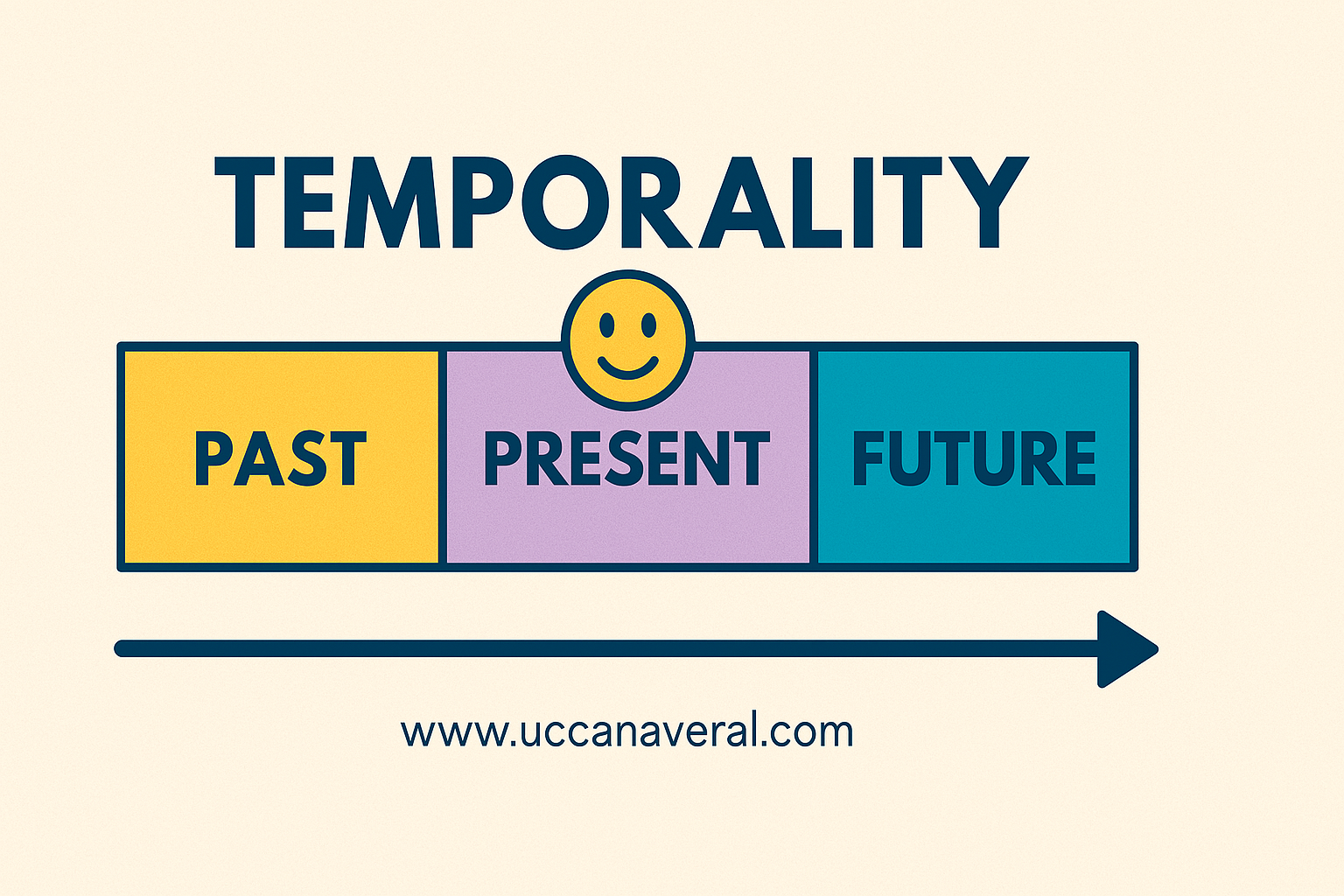
    En primer lugar, el Presentismo, desde una perspectiva filosófica y científica, sostiene que únicamente existe el presente: el pasado y el futuro no tienen existencia real, solo abstracta o potencial. En contraste, esta idea se enfrenta directamente al Eternalismo, que afirma que pasado, presente y futuro existen por igual.

    Esta visión del tiempo es clave para entender cómo percibimos nuestro entorno y tomamos decisiones empresariales cruciales.

    Diagrama explicando la teoría filosófica del Presentismo.
    Diagrama explicando la teoría filosófica del Presentismo.

    Cómo el Cerebro maneja el Tiempo y el Presentismo

    Nuestro cerebro coordina constantemente diversos procesos para dar sentido al tiempo, utilizando mecanismos que influyen directamente en nuestra experiencia del presentismo:

    Oscilaciones Neuronales y percepción del presente

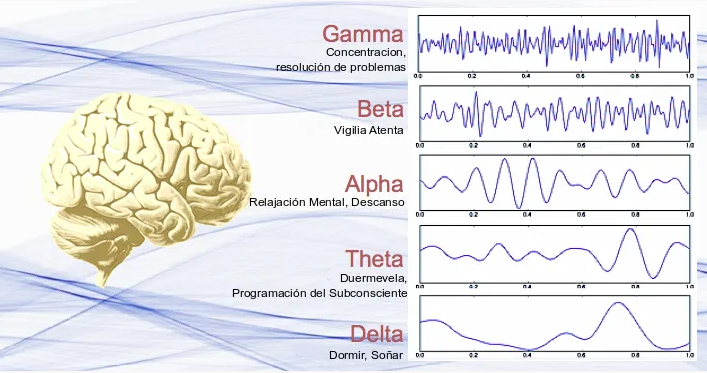
    Estas son ondas rítmicas que modulan funciones como percepción y atención, fundamentales en la experiencia del presente:

    • Delta (0.5-4 Hz): Asociadas al sueño profundo.

    • Theta (4-8 Hz): Ligadas al sueño ligero y relajación.

    • Alpha (8-12 Hz): Relacionadas con atención y relajación.

    • Beta (12-30 Hz): Vinculadas con alerta y concentración.

    • Gamma (30-100 Hz): Implicadas en percepción y procesamiento cognitivo.

    Tipos de ondas neuronales y sus efectos cognitivos.
    Gráfico mostrando ondas cerebrales y sus funciones.

    Sincronización Cerebral en la percepción del tiempo

    Asimismo, la sincronización cerebral es la coordinación de regiones cerebrales, crucial para la percepción integrada del tiempo, la atención y la memoria. De hecho, problemas en la sincronización pueden generar trastornos neurológicos como autismo o Parkinson, afectando directamente cómo se experimenta el presente.

    Codificación Temporal

    Por otra parte, la codificación temporal permite al cerebro interpretar información sensorial con precisión temporal, fundamental en procesos auditivos y visuales que determinan nuestra percepción del presente.

    Plasticidad Cerebral

    Finalmente, la capacidad cerebral para adaptarse en respuesta al aprendizaje y experiencias depende también de procesos temporales precisos, facilitando una mejor percepción del tiempo presente.

    ¿Por qué importa entender el Presentismo en el mundo empresarial?

    Comprender cómo nuestro cerebro maneja el presentismo influye significativamente en cómo tomamos decisiones, gestionamos tareas y nos adaptamos a cambios del mercado. Por ejemplo, entender el presentismo permite:

    • Mejorar la gestión del tiempo y productividad.

    • Anticipar comportamientos y tendencias de mercado.

    • Tomar decisiones estratégicas más eficaces basadas en predicciones temporales precisas.

    Empresarios analizando planes estratégicos y proyecciones temporales.
    Empresarios analizando planes estratégicos y proyecciones temporales.

    Desafíos del Cerebro con la Percepción del Tiempo

    Un mal manejo cerebral del presentismo puede llevar a errores importantes en contextos laborales. Por ejemplo:

    • Burnout: percepción distorsionada del tiempo, generando estrés crónico.

    • Decisiones erróneas: planificación ineficiente debido a cálculos temporales incorrectos.

    • Disminución de productividad: incapacidad para sincronizar tareas y objetivos.

    Herramientas y recomendaciones prácticas

    Basándonos en neurociencia, algunas recomendaciones prácticas para mejorar tu percepción del tiempo incluyen:

    • Mindfulness: mejora la atención y conciencia temporal.

    • Pausas cortas y frecuentes: ayudan a recalibrar la percepción temporal y reducir estrés.

    • Planificación visual: diagramas visuales para organizar tareas y eventos futuros.

    Práctica de mindfulness para mejorar la percepción del tiempo.
    Práctica de mindfulness para mejorar la percepción del tiempo

    Conclusión

    En resumen, entender el presentismo y cómo nuestro cerebro maneja el tiempo no solo mejora tu calidad de vida personal, sino que potencia tu eficiencia empresarial. La ciencia del tiempo cerebral es clave para anticipar, adaptarse y tomar mejores decisiones.

    Por lo tanto, si deseas profundizar más en cómo la neurociencia impacta positivamente en los negocios, considera explorar nuestro Máster (MSc) en Neurociencia Empresarial.

    ¡Descubre más sobre Neurociencia Empresarial aquí!

  • Global Academic Collaboration: UCC & Riphah University Lahore

    Global Academic Collaboration: UCC & Riphah University Lahore

    Introduction: Advancing Global Academic Collaboration

    The University of Cape Canaveral (UCC) is proud to announce a global academic collaboration with Riphah International University Lahore. This initiative enhances student mobility, faculty research, and cross-border education. By combining digital learning innovations with traditional research expertise, this partnership strengthens international academic networks and supports a more connected learning environment.

    The Impact of This Global Academic Collaboration

    This initiative opens doors to new educational and research opportunities for students, faculty, and academic professionals. Specifically, this partnership focuses on:

    • Enhancing student exchange programs to promote cultural understanding and global networking.
    • Encouraging collaborative research in psychology, behavioral sciences, and artificial intelligence.
    • Advancing faculty training and joint curriculum development to elevate education quality.
    • Developing specialized online and on-campus workshops to improve the overall learning experience.
    UCC and Riphah leaders officially signing the educational partnership agreement.

    Key Leaders Driving the Collaboration

    Led by distinguished educators and researchers, this collaboration is committed to advancing international education, faculty development, and innovative research. Their combined expertise in digital learning and global academic strategy plays a crucial role in strengthening partnerships across borders.

    Dr. Joaquín Vidal López (Cape Canaveral Educational Services)

    Dr. Joaquín Vidal López is a Ph.D. holder in Psychology and Vision Sciences, specializing in cognitive sciences, education, and digital learning technologies. As President of UCC, he has played a pivotal role in forming global partnerships, research collaborations, and online education initiatives. His extensive work integrates AI, neuroscience, and philosophy, shaping new educational models that cater to the evolving academic landscape.

    Dr. Muhammad Umer Farooq (Riphah International University)

    Dr. Muhammad Umar Farooq is a renowned linguist, educator, and researcher with over 30 years of experience in higher education, teacher development, and digital learning. His expertise lies in Computer-Assisted Language Learning (CALL), sociolinguistics, and e-learning methodologies. Throughout his career, he has made significant contributions to faculty training, curriculum enhancement, and global education initiatives. As Director of Riphah University Lahore, he remains committed to academic excellence and student success.

    Dr. Joaquín Vidal López and Dr. Muhammad Umar Farooq formalizing the Global Academic Collaboration at Riphah University Lahore.

    Strengthening Research in Psychology & Behavioral Sciences

    During the visit, Dr. Arooj Arshad, Director of Riphah’s Psychology Department, welcomed Dr. Joaquín Vidal Lópezfor a detailed tour of the university’s research facilities and library. Their discussions centered on:

    • Developing international research projects in behavioral sciences.
    • Increasing student participation in global psychology programs.
    • Strengthening faculty mentorship and collaborative academic publications.
    Dr. Joaquín Vidal López and Dr. Arooj Arshad touring Riphah University Lahore’s library as part of their Global Academic Collaboration.

    Faculty Development and Specialized Training

    As part of the collaboration, Dr. Joaquín Vidal López conducted a faculty workshop on “Anger Management in Media from a Stoic Perspective.” The session provided attendees with:

    • Advanced emotional intelligence techniques tailored for media professionals.
    • Cognitive-behavioral strategies for effective conflict resolution.
    • Ethical communication principles inspired by Stoic philosophy.

    Future of This Global Academic Collaboration

    The partnership between UCC and Riphah University Lahore will continue expanding with:

    • Joint conferences on education, technology, and international research to foster global knowledge exchange.
    • Innovative online degree programs aimed at making high-quality education more accessible worldwide.
    • International exchange programs designed to strengthen cross-border academic engagement for both students and faculty.

    Take the Next Step Toward a Brighter Future

    At UCC, we are committed to transforming education through innovation, research, and global collaboration. Whether you are a student, educator, or researcher, our programs in Digital Marketing, AI & Cybersecurity, and Neuroscience in Business are designed to prepare you for the future.

    • Join our international academic network and be part of the future of education.
    • Explore study programs, virtual learning opportunities, and research collaborations at uccanaveral.com

    Be part of the next generation of global leaders. Are you ready to take the next step?

  • UCC & Waxon Consultants Forge Educational Partnership

    UCC & Waxon Consultants Forge Educational Partnership

    Introduction: A Strategic Partnership for Global Education

    At Cape Canaveral Educational Services (UCC), we are committed to creating world-class educational opportunities for students worldwide. Our newly formed educational partnership with Waxon Consultants is designed to expand study abroad programs while providing students in Pakistan and the United Kingdom with access to internationally recognized online Master’s programs in Digital Marketing, Artificial Intelligence, and Neuroscience in Business.

    Why This Educational Partnership Matters

    By joining forces, UCC and Waxon Consultants  introduce exciting new opportunities for students pursuing international studies. Through this collaboration, they will receive:

    • Expert guidance for navigating university applications and admissions.
    • Access to top-ranked study abroad programs and flexible online MSc degrees.
    • Expanded networking opportunities through cultural exchange initiatives.
    • Improved career prospects with specialized Master’s programs tailored to industry needs.

    This partnership bridges academic expertise with career-focused education, ensuring students are well-prepared for a globalized job market.

    Partnership between Waxon Consultants and Cape Canaveral Educational Services

    Meet the Visionary Leaders Behind This Collaboration

    This strategic partnership is led by academic pioneers dedicated to advancing international education and student success.

    Dr. Joaquín Vidal López (Cape Canaveral Educational Services)

    As President of UCC, Dr. Joaquín Vidal López has played a key role in expanding higher education accessibilitythrough online learning. Holding a Ph.D. in Psychology and Vision Sciences, his expertise spans cognitive sciences, digital education, and interdisciplinary research. Through this educational partnership, he seeks to strengthen global study abroad pathways while enhancing online MSc programs.

    Dr. Rafiq Dar (Waxon Consultants)

    A renowned leader in educational consultancy, Dr. Rafiq Dar has successfully guided students from Pakistan and the UK toward placements in top international institutions. His collaboration with UCC ensures that students receive comprehensive academic support, enabling them to achieve international academic and career success.

    Dr. Joaquín Vidal López and Dr. Rafiq Dar signing the partnership agreement

    How Students Benefit From This Partnership

    Through this educational partnership, students will gain:

    • Access to world-class study abroad programs and flexible online MSc degrees.
    • Personalized guidance for university applications and international admissions.
    • Expanded networking opportunities through global exchange programs.
    • Enhanced career prospects with industry-aligned Master’s programs.

    Learn More About Waxon Consultants

    With offices in Pakistan and the United Kingdom, Waxon Consultants is a leading educational consultancy that specializes in guiding students through complex application processes. Their expert team ensures that students gain access to top-tier universities worldwide.

    Future Growth & Opportunities

    As the partnership continues to grow, UCC and Waxon Consultants will introduce:

    • Joint webinars to help students navigate global education options.
    • Student mentorship programs providing personalized career guidance.
    • Industry-relevant training sessions to prepare students for the international job market.

    By investing in education and career development, this collaboration empowers students to achieve their academic and professional aspirations on a global scale.

    Take the Next Step Toward Global Education

    Are you ready to elevate your future? Whether you’re seeking a study abroad opportunity or a career-transforming online Master’s program, UCC is here to guide you.

    Visit Cape Canaveral Educational Services today to explore a range of study abroad programs and schedule a FREE personalized consultation.

    Share this opportunity with friends and family who want to expand their education globally!

  • Neuroleadership in Business 2025: Boost Decision-Making

    Neuroleadership in Business 2025: Boost Decision-Making

    Introduction

    In the rapidly evolving business environment of 2025, traditional leadership practices fall short when addressing complex challenges. Neuroleadership in Business—the integration of neuroscience into leadership practices—is transforming how leaders optimize decision-making, foster innovation, and better understand their teams.

    What is Neuroleadership in Business? Unlocking Brain-Based Leadership Potential

    Neuroleadership applies neuroscience principles to enhance decision-making effectiveness, organizational dynamics, and overall team performance. By exploring how brain functions impact workplace behavior, leaders can better understand their own cognitive patterns and those of their teams (Rock & Tang, 2024).

    A practical example of this could be a team leader noticing that employees become overwhelmed during high-stress projects. By leveraging neuroleadership insights, the leader implements mindfulness sessions and short, regular breaks, effectively reducing stress and improving overall team productivity and morale.

    Key Principles:

    Neuroscience Behind Effective Decision-Making

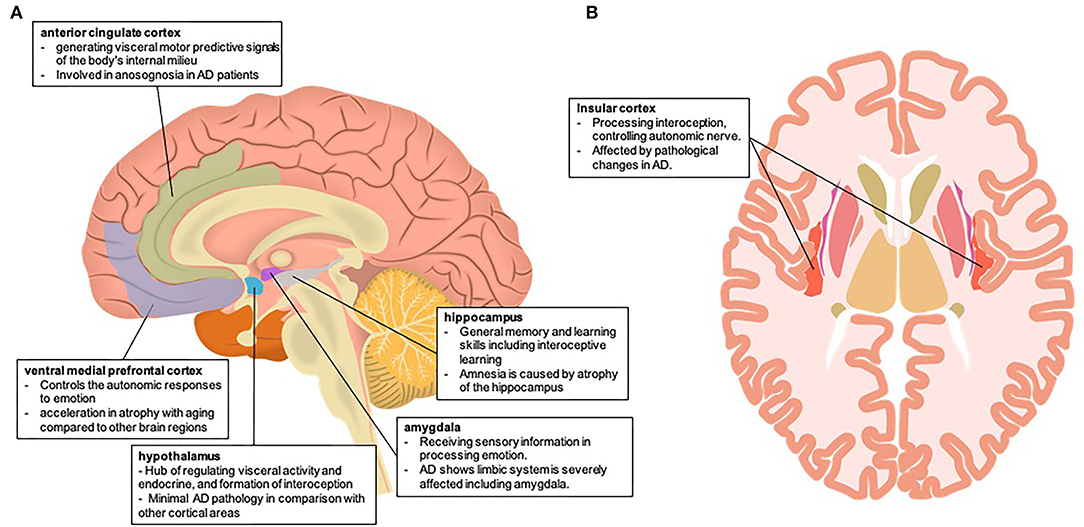
    Recent neuroscience research provides deeper insights into how leaders make decisions. A 2024 study published in the Journal of Applied Neuroscience and Leadership highlights the critical roles of specific brain regions, such as the prefrontal cortex and amygdala, in managing risk assessment, emotional responses, and logical reasoning during leadership decisions (Anderson et al., 2024).

    Key brain areas involved in business decision-making (e.g., prefrontal cortex, amygdala).
    Key brain areas involved in business decision-making (e.g., prefrontal cortex, amygdala).

    Practical Neuroleadership Applications

    Neuroscience reveals how empathy and emotional regulation work at the neural level, helping leaders better understand emotional intelligence. Training based on these insights can significantly enhance emotional intelligence, creating stronger team cohesion and more effective interpersonal relationships (Goleman & Siegel, 2025).

    For instance, a leader trained in neuroleadership techniques may recognize when team members feel misunderstood or frustrated. By actively applying empathy-based communication strategies, the leader can quickly defuse conflicts and foster a supportive, harmonious team environment.

    Fostering Innovation and Creativity

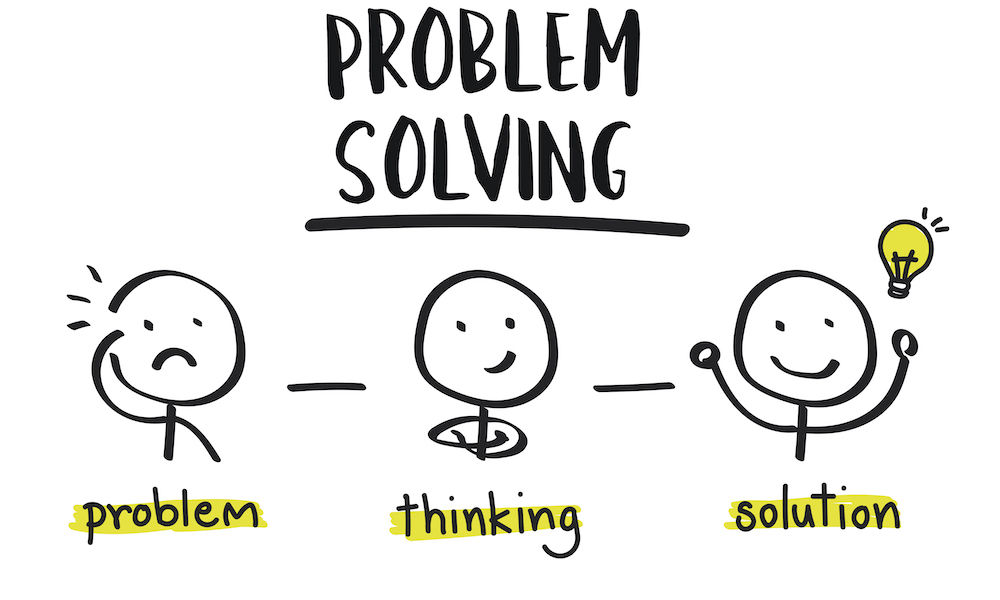
    Neuroleadership promotes environments that stimulate neural plasticity—the brain’s ability to adapt and reorganize itself—which is crucial for innovation. A 2024 analysis by Harvard Business Review demonstrated that organizations adopting these neuroscience-based approaches significantly boosted their creativity and problem-solving skills (HBR, 2024).

    Illustration of the problem-solving process with three stick figure characters.
    Illustration of the problem-solving process with three stick figure characters.

    Real-world Impact: Neuroleadership Case Study

    A recent study published in the NeuroLeadership Journal (2025) analyzed organizations that integrated neuroleadership training into their practices. The results revealed notable improvements, including a 25% increase in decision-making efficiency and a 30% rise in employee satisfaction.

    For example, a leading global technology firm implemented neuroleadership strategies across their management teams.As a result, their leaders experienced enhanced strategic decision-making capabilities and a noticeable improvement in overall employee engagement and morale.

    Future of Neuroleadership: AI Integration

    In 2025 and beyond, combining artificial intelligence (AI) with neuroleadership promises personalized training programs tailored to individual neural profiles, revolutionizing leadership development and organizational effectiveness (Tech & Leadership Insights, 2025).

    Conclusion

    Incorporating neuroleadership into business strategies is no longer optional; it’s essential. Organizations adopting these practices in 2025 stand to gain significantly in leadership effectiveness, decision-making clarity, and innovation capacity, positioning themselves as industry leaders in a complex global market.

    Ready to elevate your leadership with cutting-edge neuroscience?

    Enroll now in our Neuroscience in Business MSc program and transform the way your business makes decisions. Contact us today!

  • How Mental Load Shapes Consumer Shopping Behavior

    How Mental Load Shapes Consumer Shopping Behavior

    Introduction: When Too Much Choice Becomes a Burden

    Do more choices always lead to better shopping experiences? Not quite. The mental load consumers face while shopping—both online and in-store—can hinder decision-making, reduce satisfaction, and even trigger impulse purchases. Understanding how cognitive overload impacts shopping behavior is key to designing better retail environments.

    The Paradox of Choice: When More Means Less

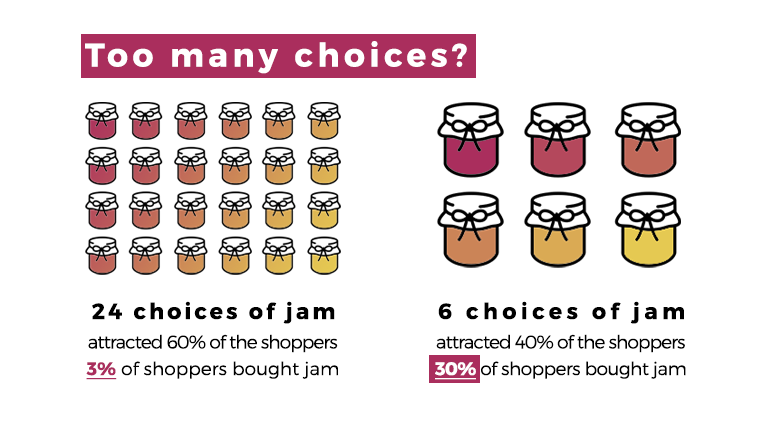
    While consumers may assume that having more choices leads to better outcomes, studies suggest the opposite. This is known as the paradox of choice—where too many options result in cognitive overload, making it harder for shoppers to decide. As a result, they may abandon the purchase altogether or choose impulsively.

    The Paradox of Choice
    Example of The Paradox of Choice.

    Online vs. In-Store Shopping: Mental Load in Action

    Cognitive Load in Digital Shopping

    Online shoppers face scroll fatigue, endless comparisons, and information overload. With product listings varying in price, features, and reviews, shoppers must mentally juggle too many variables—taxing their working memory and slowing decision-making.

    In-Store Experiences and Physical Distractions

    In-store shopping offers hands-on interaction, but it comes with physical and mental distractions—from crowded aisles to complex product layouts. Navigating this space demands attention and cognitive energy, often leading to shopping fatigue.

    Online shopper comparing multiple tabs
    Chrome uses AI to help you compare products from across your tabs.

    How Retailers Reduce Mental Strain

    Streamlining Product Categories

    Brands now streamline their selections to reduce clutter. Curating smaller, focused product sets helps shoppers process choices more efficiently. For instance, category filters and comparison tools allow for quicker, more confident decisions.

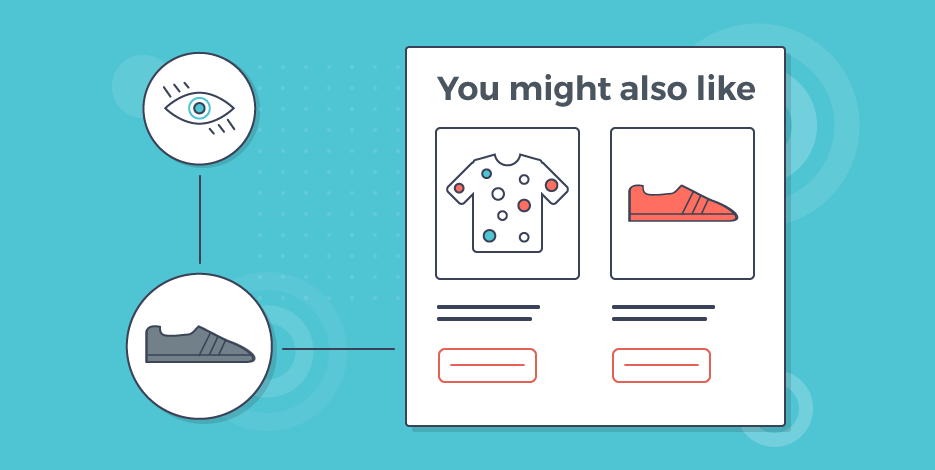
    AI and Personalized Recommendations

    AI-powered recommendation engines personalize options based on user history. These systems reduce the mental strain by eliminating irrelevant options, guiding consumers toward what truly fits their preferences and budget.

    AI-driven product recommendation engine mockup
    AI product recommendation interface showing tailored results for online shoppers.

    Decision Fatigue: The Driver of Impulse Buying

    When faced with too many micro-decisions, the brain becomes fatigued. This decision fatigue lowers willpower and rational thinking, increasing the likelihood of impulsive behavior. Retailers can counter this by:

    • Limiting choices

    • Offering “Top Picks”

    • Providing side-by-side product comparisons

    The Future: Smart Retail Experiences That Reduce Cognitive Load

    From virtual assistants to augmented reality (AR) tools, modern retailers use technology to ease cognitive load and guide smarter purchasing. Expect AI to play an even larger role in simplifying decision-making and enhancing personalization in the near future.

    Real-World Example:

    A future e-commerce site may scan your preferences, detect when you’re overwhelmed, and offer smart assistance—like summarizing options or auto-recommending products based on emotional behavior and time spent on product pages.

    Shopper using augmented reality on smartphone to compare products visually.
    AR shopping app preview.

    Conclusion: Smarter Shopping Starts with Lighter Minds

    The mental load in consumer behavior is more than just a neuroscience concept—it’s a business imperative. By recognizing and addressing cognitive overload, retailers can create smarter, more user-friendly shopping environments.

    For students and professionals in the Neuroscience in Business program at the University of Cape Canaveral, mastering these insights can transform how they lead product design, customer experience, and strategic innovation in the retail space.

  • Exploring the Intersection of Artificial and Natural Intelligence

    Exploring the Intersection of Artificial and Natural Intelligence

    In today’s digital era, the intersection of artificial and natural intelligence is becoming a critical focus across industries. As AI technologies evolve to replicate or surpass human capabilities, the question isn’t just about performance—it’s about understanding how machine learning and natural cognition compare, contrast, and converge.

    Understanding the Intersection of AI and Human Intelligence

    Artificial intelligence refers to computational systems built to replicate tasks typically requiring human cognition—like decision-making, pattern recognition, and natural language processing. These systems are fast, data-driven, and highly specialized.

    In contrast, natural intelligence—as seen in humans and animals—has evolved biologically. It includes emotional understanding, adaptability, social learning, and the capacity for intuitive and creative thinking.

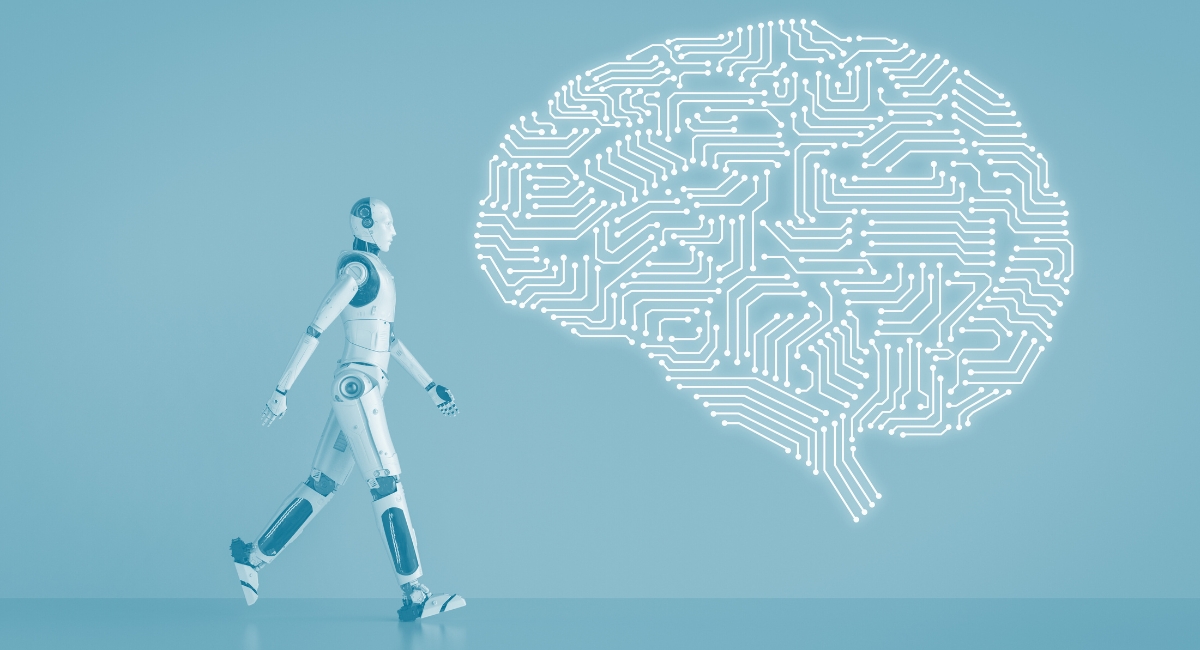
    Brain and AI circuit merging, representing human and artificial learning paths
    Brain and AI merging, representing human and artificial learning paths.

    Key Differences Between Artificial and Natural Intelligence

    1. Creativity and Innovation

    While AI can generate music or images, it lacks emotional context and cultural depth. Human creativity is driven by personal experience, emotion, and social influence.

    2. Learning Mechanisms

    • AI Learning: Uses large datasets and algorithms like supervised and unsupervised learning.

    • Human Learning: Integrates environmental interaction, memory, and emotional association.

    3. Flexibility and Adaptability

    Humans are able to improvise, transfer knowledge between domains, and navigate ambiguous situations. AI still struggles in unstructured or unpredictable contexts.

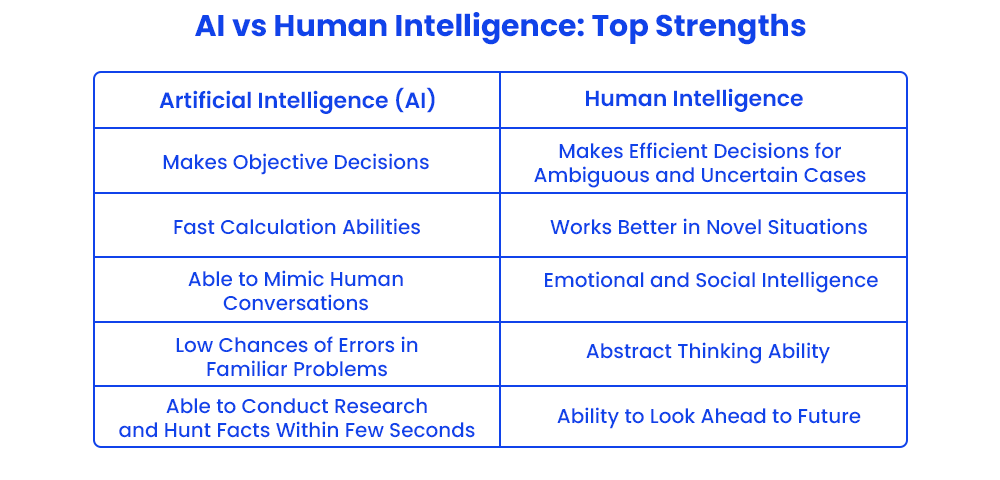
    Similarities between AI and natural intelligence
    AI vs natural intelligence.

    Practical Applications: Where Both Intelligences Meet

    Healthcare

    AI diagnostic tools rapidly analyze patient data, but human doctors are essential for contextual interpretation and empathy.

    Autonomous Vehicles

    AI enables real-time navigation, but mimicking human-like situational awareness in chaotic environments remains a challenge.

    Education

    AI adapts to student data to personalize content, while teachers offer emotional intelligence, mentorship, and moral development.

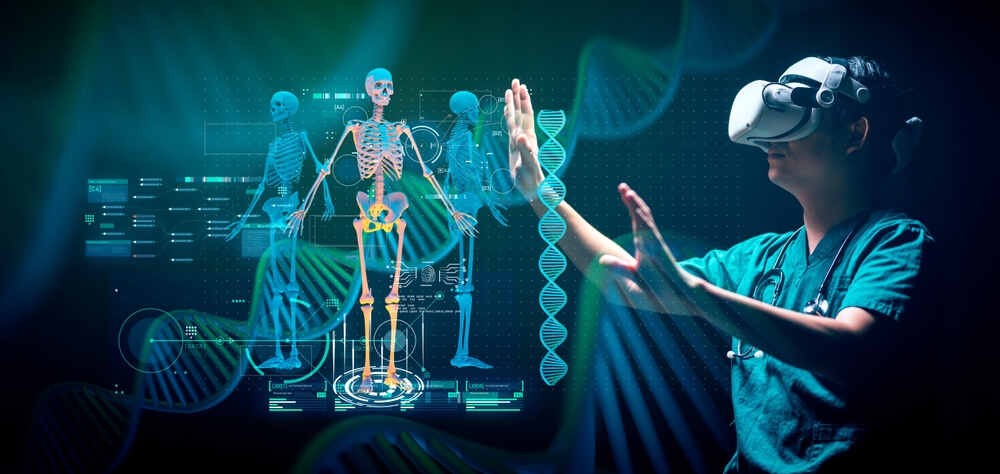
    AI transforming healthcare with better outcomes & efficiency
    AI transforming healthcare with better outcomes.

    Ethical and Societal Implications

    As the intersection of artificial and natural intelligence deepens, we must confront ethical issues:

    • Job Displacement: Automation may replace repetitive tasks—reskilling will be critical.

    • Bias in AI: Algorithms trained on biased data risk reinforcing discrimination.

    • Accountability: Who’s responsible for machine-made errors?

    The Future: Building Bridges Between Brain and Code

    Emerging fields like neuromorphic computing aim to mimic brain structure in machines, offering more adaptive and energy-efficient AI.

    Cross-disciplinary collaboration between neuroscience, psychology, and computer science is crucial to developing ethically-aligned, human-centered AI.

    Conclusion: Evolving Together

    The intersection of artificial and natural intelligence presents both extraordinary promise and complex challenges. As machines become more human-like, and humans more reliant on machines, we must remain mindful of our values.

    Want to explore the frontiers of AI, ethics, and cognition?

  • Los efectos de la vigilancia en la cognición humana

    Los efectos de la vigilancia en la cognición humana

    Introducción: ¿Cómo Afecta la Vigilancia a la Cognición Humana?


    En la sociedad moderna, la vigilancia está presente en muchos espacios públicos, y su impacto va más allá del comportamiento visible. El impacto de la vigilancia en la cognición humana se ha convertido en un tema de gran interés. Aunque la mayoría de las investigaciones se enfocan en cómo las personas cambian su comportamiento cuando saben que están siendo observadas, los efectos en procesos cognitivos básicos e involuntarios aún son poco estudiados. La vigilancia, especialmente a través de cámaras de CCTV, parece influir en funciones cognitivas tan fundamentales como la percepción y la detección de caras.

    ¿Cómo la Vigilancia Afecta la Percepción Visual?

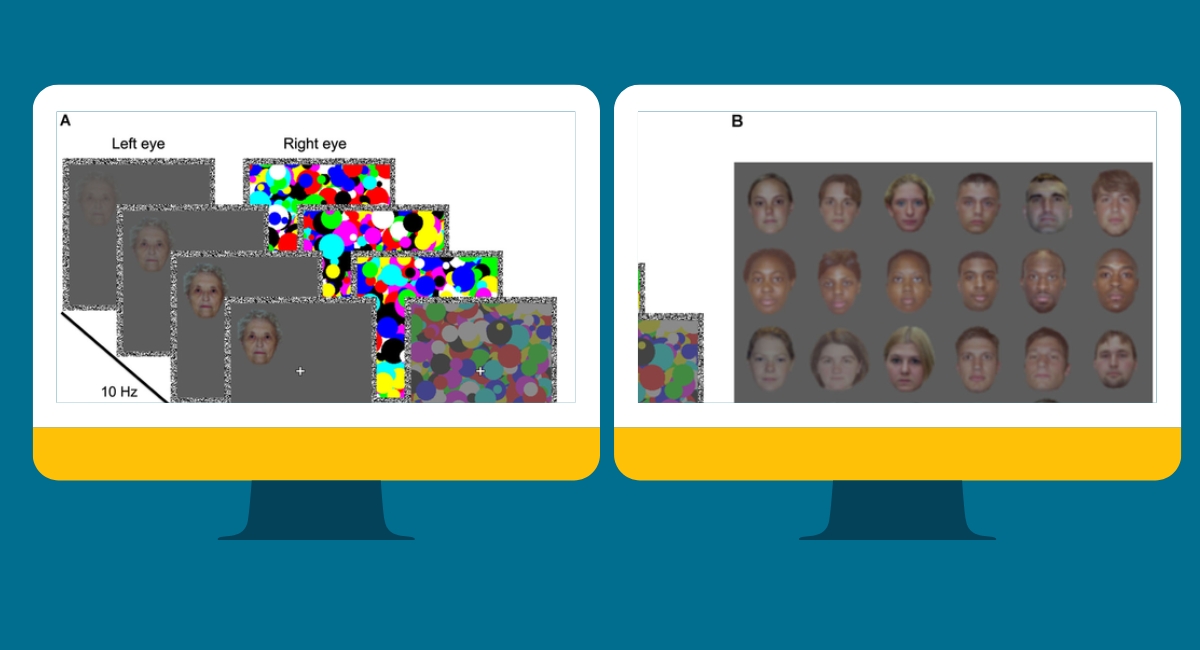
    La influencia de la vigilancia sobre las percepciones visuales ha sido un área de investigación reciente. Este estudio se centró específicamente en cómo la vigilancia altera procesos cognitivos como la detección de rostros. Usando el método de Supresión de Destellos Continuos (CFS), los investigadores descubrieron que las personas bajo vigilancia son capaces de detectar caras más rápidamente que aquellas que no lo están.

    Estudio de Caso: Detección de Caras Más Rápida Bajo Vigilancia

    El estudio utilizó imágenes de caras ocultas entre patrones intermitentes para interrumpir la percepción consciente de los participantes. Los resultados mostraron que los participantes bajo vigilancia (CCTV) detectaban las caras mucho más rápido que aquellos que no sabían que estaban siendo observados. Esta rapidez en la detección de caras sugiere que la vigilancia afecta no solo al comportamiento consciente, sino también a procesos automáticos del cerebro.

    ¿Por Qué la Vigilancia Aumenta la Velocidad de Detección?

    El aumento en la velocidad de detección de caras puede estar relacionado con una mayor alerta cuando las personas son conscientes de que están siendo vigiladas. Esta respuesta psicológica podría hacer que nuestro cerebro procese los estímulos visuales de manera más eficiente. Además, un experimento de control realizado para confirmar estos resultados también mostró que este fenómeno no se debía a expectativas o presiones externas.

    Implicaciones para la Cognición Humana y la Salud Mental

    Los efectos de la vigilancia en la cognición humana son más profundos de lo que inicialmente se pensaba. La constante conciencia de ser observado podría alterar cómo procesamos inconscientemente el mundo. Con el tiempo, esto podría generar ansiedad, estrés y otros problemas psicológicos. Estos efectos podrían tener un impacto directo en la salud mental de las personas que viven bajo vigilancia constante.

    Impacto de la Vigilancia en las Interacciones Sociales

    Además, la vigilancia podría influir en nuestras interacciones sociales. Si las personas están más alertas a las caras en entornos vigilados, esto puede cambiar la forma en que percibimos a los demás. Este aumento en la percepción podría generar una sensación de paranoia o tensión social, afectando la forma en que interactuamos en espacios públicos.

    Conclusión: Repensando el Impacto de la Vigilancia en la Sociedad

    El impacto de la vigilancia en la cognición humana va más allá del comportamiento. Este fenómeno afecta funciones cognitivas automáticas, como la detección de caras, lo que plantea preguntas importantes sobre los efectos psicológicos de vivir en una sociedad constantemente vigilada. A medida que la vigilancia sigue creciendo, es crucial considerar las posibles consecuencias a largo plazo en nuestra cognición y salud mental.

    Para profundizar más sobre este estudio, puedes leer el artículo completo publicado en la revista Neuroscience of Consciousness de la Oxford Academy.

  • How Surveillance Impacts Human Cognition and Perception

    How Surveillance Impacts Human Cognition and Perception

    Introduction

    In today’s highly monitored world, the impact of surveillance on human cognition is becoming a critical issue. Surveillance cameras are now standard in schools, offices, and public streets. While it’s well-known that being watched alters behavior, new research shows that it also affects how we perceive faces and process information—even when we’re unaware of it.

    Security officers watching surveillance camera feeds illustrating the impact of surveillance on human cognition and perception.
    Security officers watching surveillance camera feeds illustrating the impact of surveillance on human cognition and perception.

    Face Detection and the Impact of Surveillance on Cognition

    Most of us assume surveillance influences only our conscious behavior—like making us act more cautiously. However, recent findings show that it can also affect how quickly and accurately we recognize faces. That’s a game-changer in the study of human cognition.

    A research team used Continuous Flash Suppression (CFS)—a technique that hides images within flashing patterns—to test participants’ unconscious perception. Those who believed they were under surveillance detected faces faster than those who weren’t. This study demonstrates that the impact of surveillance on human cognition extends to our brain’s automatic responses.

    You can read the full study in the journal Neuroscience of Consciousness published by the Oxford Academy.

    Continuous Flash Suppression experiment studying visual awareness
    Continuous Flash Suppression experiment studying visual awareness.

    The Neuroscience Behind Unconscious Vigilance

    Why do we respond faster under surveillance?

    Neuroscience suggests that being watched activates brain regions like the amygdala and anterior cingulate cortex. These areas are responsible for threat detection, social awareness, and facial recognition. So, even without realizing it, our brain enters a more alert state—scanning for faces and interpreting emotional cues more rapidly.

    This has serious implications for how we understand cognition in monitored environments, from airports to corporate offices.

    The Impact of Surveillance on Human Cognition and Mental Health

    It’s not just visual perception that’s affected. Constant surveillance can lead to chronic stress, decision fatigue, and even paranoia. Being in a state of constant self-monitoring may drain our mental resources over time.

    Some of the most common psychological effects of CCTV include:

    • Increased anxiety in public spaces

    • Heightened self-consciousness

    • Reduced authentic behavior

    • Social avoidance in monitored zones

    These issues don’t just affect individuals—they influence group dynamics, workplace culture, and public trust.

    People walking under visible surveillance showing social tension
    People walking under visible surveillance.

    Implications for Society, Business, and Security

    If face detection speeds up under surveillance, could we use that for good?

    • In business: Could visual environments that mimic light surveillance boost attentiveness?

    • In security: Could this phenomenon help train systems or operators to respond to cues faster?

    • In ethics: Should we be concerned about how surveillance might alter our neural patterns?

    As homeland security cognition becomes more researched, it’s vital for businesses and policymakers to stay informed—and ethical.

    Conclusion: From Face Detection to Conscious Reflection

    The impact of surveillance on human cognition is far more than behavioral. It reshapes perception, awareness, and potentially, our social lives.

    As technology and neuroscience intersect, we must ask: Are we designing surveillance systems that keep us safe—or making people silently suffer?

    Curious how neuroscience applies to leadership, tech, and ethics?

    Explore our Master’s in Neuroscience in Business!

  • Connecting Maslow’s Needs and Moz’s SEO Hierarchy

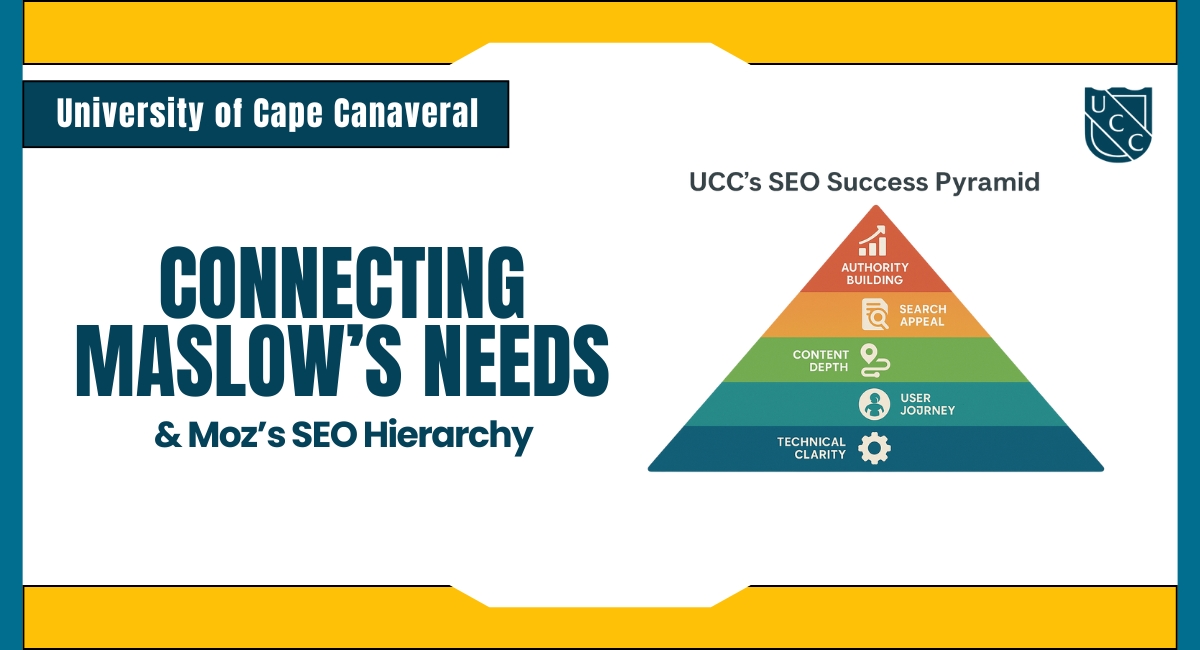
    Connecting Maslow’s Needs and Moz’s SEO Hierarchy

    Explore the parallels between Maslow’s Hierarchy of Needs and Moz’s SEO Hierarchy. Learn how understanding human motivations can boost your SEO optimization and digital strategies.

    Introduction

    In today’s competitive digital marketing landscape, understanding the psychology behind user behavior is crucial for effective SEO optimization and digital strategies. Just as Maslow’s Hierarchy of Needs outlines fundamental human motivations, Moz’s SEO Hierarchy provides a framework for building a successful online presence. This article delves into the similarities between these two hierarchies and explores how psychological principles can enhance your SEO strategies and digital marketing efforts.

    Maslow’s Hierarchy of Needs and Its Application in Digital Marketing

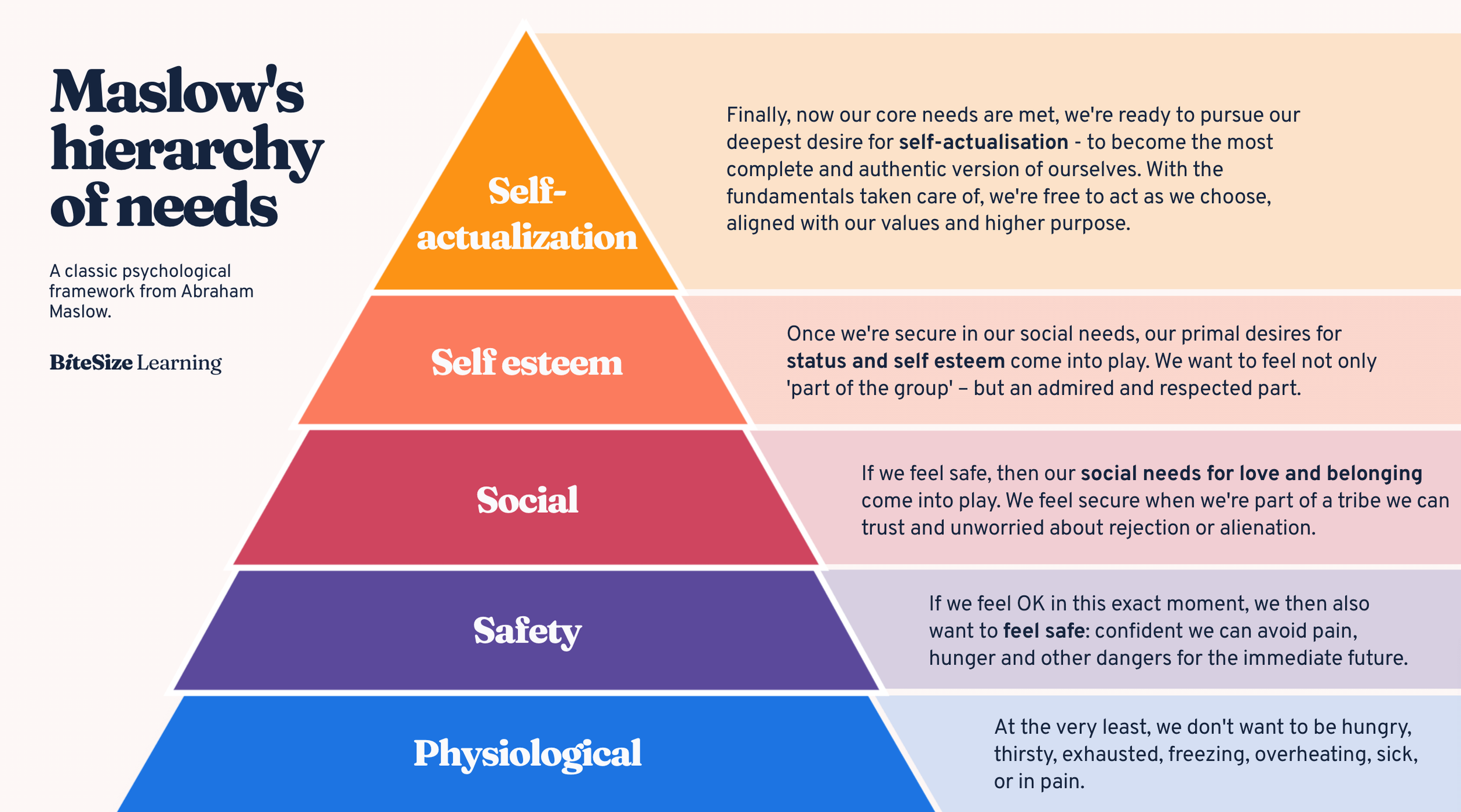
    Maslow's hierarchy of needs - pyramid diagram
    Bitesize Learning. (n.d.). Maslow’s hierarchy of needs theory – Pyramid diagram [Image].

    Physiological Needs

    At the base of Maslow’s pyramid are physiological needs—the basic necessities for human survival, such as food, water, warmth, and rest (Maslow, 1943). These needs are the foundation upon which all other motivations build. Similarly, in SEO, a website must have the basic functionality (like proper hosting and uptime) to even exist online.

    Safety Needs and Website Security

    Once physiological needs are met, the focus shifts to safety and security. This includes personal security, health, and well-being (McLeod, 2020). A secure website with HTTPS and reliable payment systems addresses this requirement.

    Love and Belonging in Audience Engagement

    The third level involves social needs like friendship, intimacy, and family. Humans have an inherent desire to belong and be accepted by others. A website thrives when it fosters user connections through engaging content and personalized experiences, fulfilling the need for belonging.

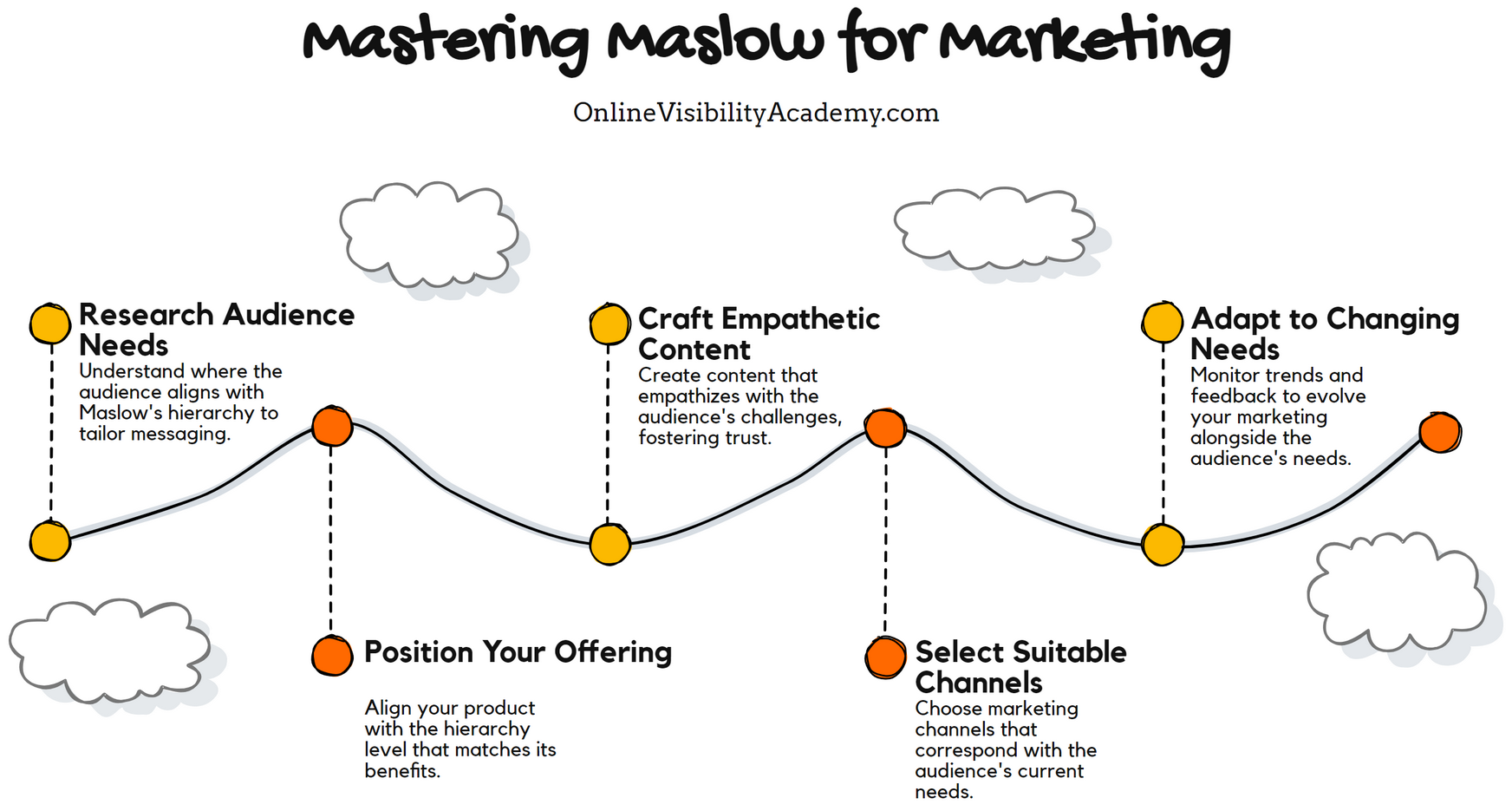
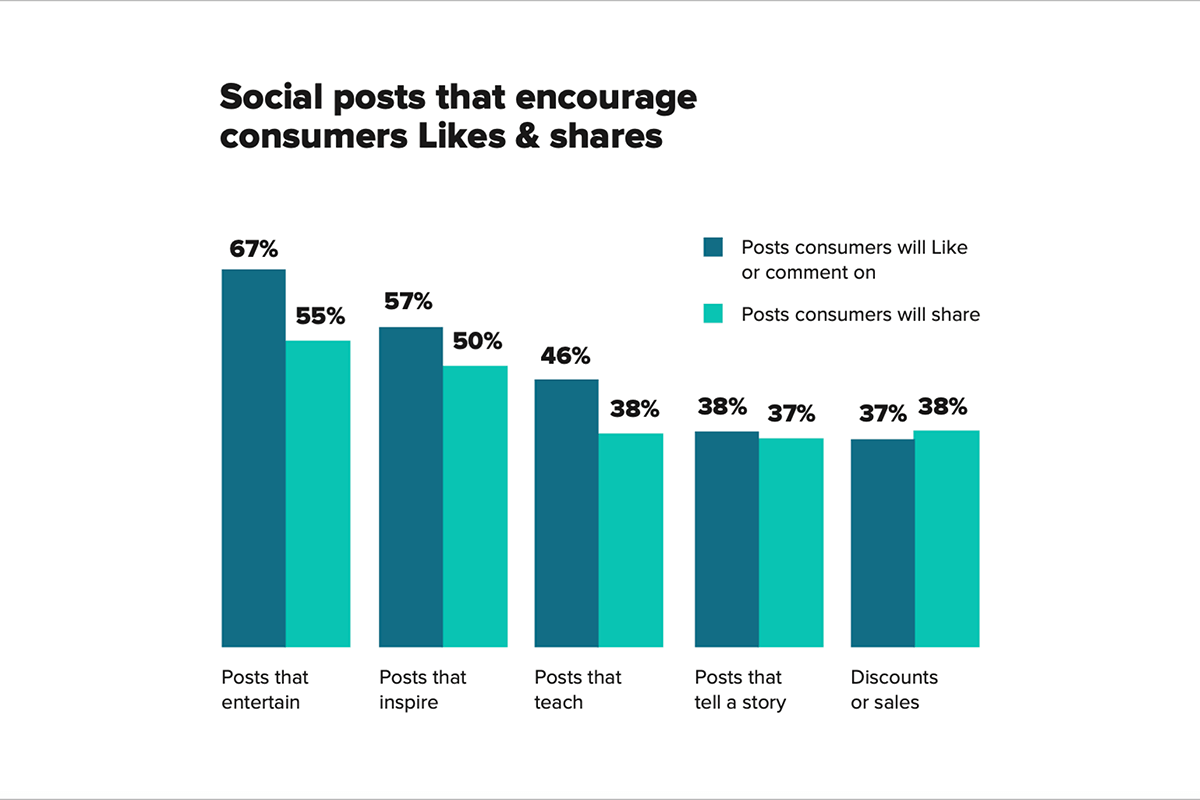
    The Intersection of Maslow’s Theory and Marketing
    Online Visibility Academy. (n.d.). Maslow’s hierarchy of needs: A marketing perspective [Image].

    Esteem Through Credibility and Recognition

    Esteem needs pertain to the desire for respect, self-esteem, and recognition. Achieving these needs leads to feelings of prestige and accomplishment. Well-optimized websites that publish expert, authoritative content gain credibility, akin to fulfilling esteem needs.

    Self-Actualization via Creative, Share-Worthy Content

    At the pyramid’s peak is self-actualization—the realization of one’s full potential and the pursuit of personal growth and peak experiences. The pinnacle of digital marketing is creating innovative, share-worthy content that reaches its full potential online.

    How To Grow Your Audience With Share-Worthy Content
    Creative Market. (n.d.). How to grow your audience with share-worthy content [Image].

    Relevance in Human Motivation

    Maslow’s theory suggests that individuals are motivated to fulfill basic needs before moving on to higher-level needs. This progression reflects the pursuit of personal growth and fulfillment (Maslow, 1943).

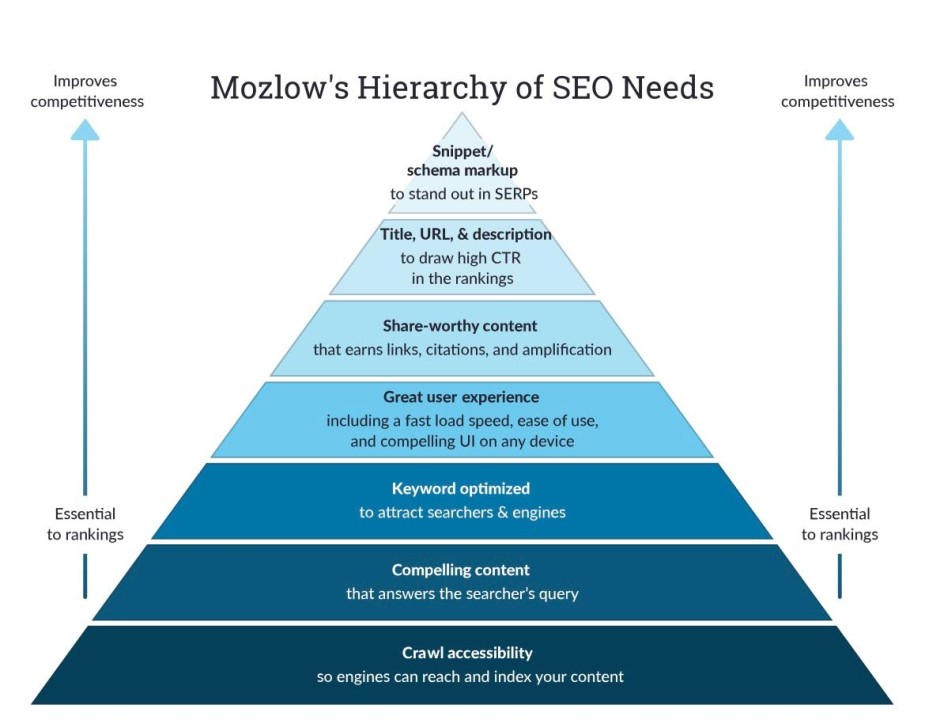
    Moz’s SEO Hierarchy of Needs: Building a Strong Online Presence

    Mozlow's Hierarchy of SEO Needs
    Raghuvanshi, K. (n.d.). Mozlow’s Hierarchy of SEO Needs [Image].

    Accessibility for Crawlers: The Foundation of SEO

    The foundation of Moz’s SEO Hierarchy is ensuring that search engines can crawl and index your website. Without proper crawlability, your site won’t appear in search results. This reflects the “physiological needs” of SEO (Moz, 2021).

    Compelling Content

    Creating valuable and relevant content that meets user intent is crucial. Compelling content engages users and encourages them to stay on your site, improving user experience.

    Keyword Optimization

    Strategically using keywords improves your site’s visibility in search engine results pages (SERPs). It helps match your content with user queries, enhancing SEO optimization.

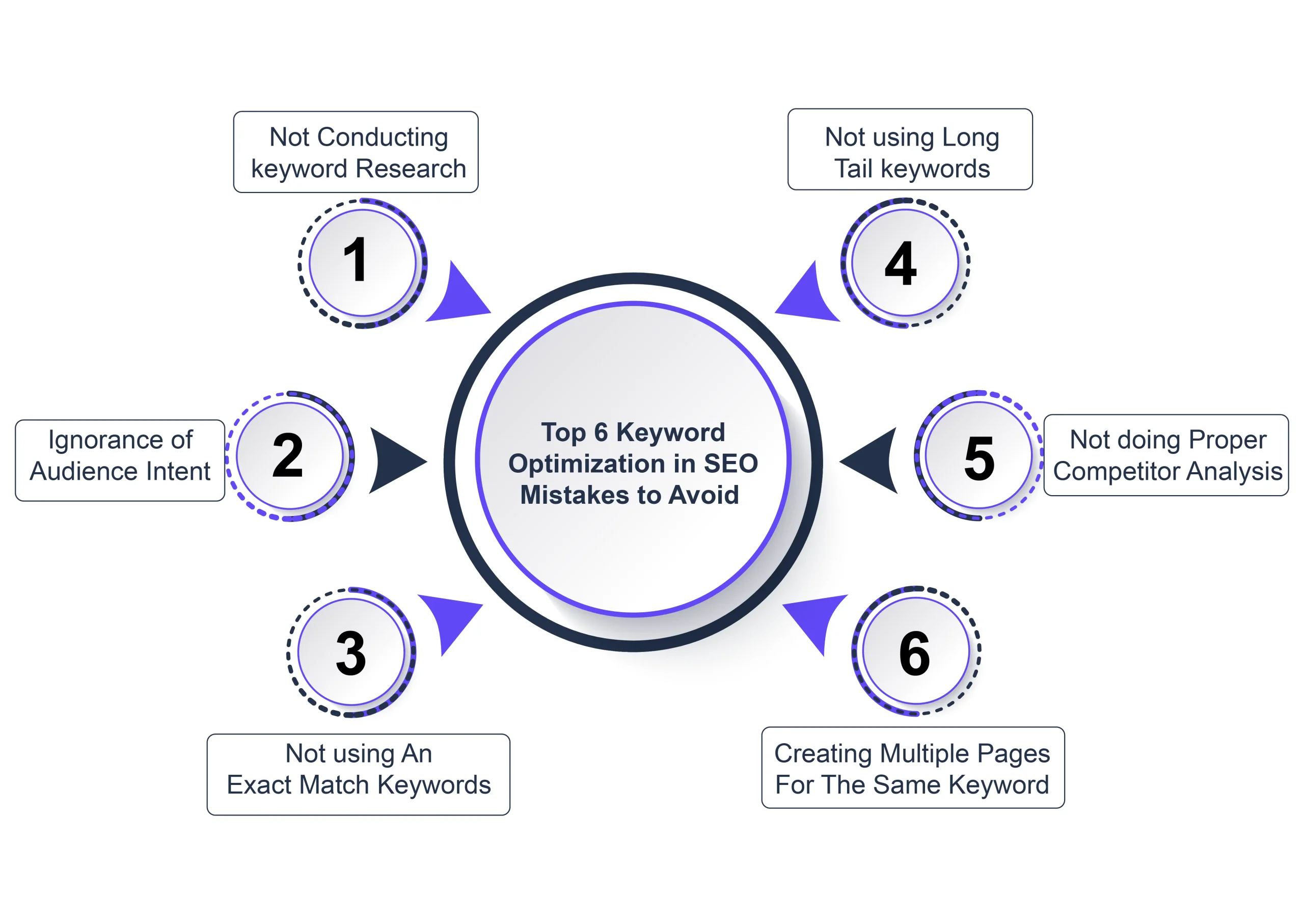
    Keyword Optimization in SEO
    GigDe. (n.d.). Top 6 Keyword Optimization in SEO Mistakes to Avoid [Image]

    Great User Experience for Long-Term Engagement

    Enhancing site usability, including page load speed and mobile optimization, contributes to a positive user experience, leading to higher rankings and better SEO performance.

    Share-Worthy Content

    At the top of Moz’s SEO hierarchy is creating content that users find valuable enough to share, increasing your site’s authority and reach through effective digital marketing.

    Impact on Search Engine Ranking

    Each level of Moz’s hierarchy builds upon the previous one, emphasizing the importance of a strong foundation in technical SEO before advancing to content creation and promotion (Fishkin, 2015). This structured approach improves search engine optimization and enhances digital strategies.

    Discover how advancements like AI are reshaping digital strategies in our blog Artificial Intelligence and Employment.

    Parallels and Similarities Between Maslow’s Hierarchy and Moz’s SEO Strategies

    Maslow’s Hierarchy of SEO Needs: How to Use It
    SEO North. (n.d.). Maslow’s Hierarchy of SEO Needs [Diagram].

    Physiological Needs & Accessibility for Crawlers

    Just as physiological needs are essential for human survival, website accessibility is fundamental for online presence. Without crawlability, your site cannot be indexed or found by users.

    Safety Needs & Secure User Experience

    Users seek secure and trustworthy websites, mirroring the human desire for safety. Implementing SSL certificates and data protection measures fulfills this need, enhancing user trust.

    Love and Belonging & Compelling Content

    Engaging content fosters a connection with your audience, satisfying their need for belonging and encouraging repeat visits and loyalty. This reflects the importance of psychology in marketing.

    Esteem & Keyword Optimization

    High-quality, optimized content enhances your website’s credibility and authority, reflecting the esteem level where recognition and respect are sought. Effective SEO strategies help achieve this.

    Self-Actualization & Share-Worthy Content

    Creating exceptional content that is widely shared represents the pinnacle of SEO success, akin to self-actualization in personal growth. It maximizes your digital marketing potential.

    Practical Examples

    • Accessibility: Ensuring your site is mobile-friendly meets users’ basic need for access, similar to physiological needs.
    • Security Measures: Displaying trust badges and secure payment options addresses safety concerns.
    • Community Building: Interactive blogs and forums fulfill users’ need for belonging.
    • Authority Content: Publishing expert articles boosts esteem through recognition.
    • Viral Content: Creating content that goes viral achieves self-actualization by maximizing potential reach.

    Rolling out the mobile-friendly update
    Google Developers. (2015, April 21). Rolling out the mobile-friendly update [Image].

    Application in Digital Strategies

    Tips for Applying Maslow’s Principles in SEO

    • Start with the Basics: Ensure your website is technically sound and accessible to search engine crawlers. This forms the foundation of your SEO hierarchy.
    • Secure Your Site: Implement HTTPS protocols and protect user data to build trust, addressing users’ safety needs.
    • Create Engaging Content: Develop content that resonates with your target audience’s interests and needs, fostering a sense of belonging.
    • Optimize for Recognition: Use SEO best practices, including keyword optimization, to improve visibility and establish authority, satisfying esteem needs.
    • Aim for Excellence: Produce high-quality, shareable content that sets you apart from competitors, achieving self-actualization in your digital strategies.

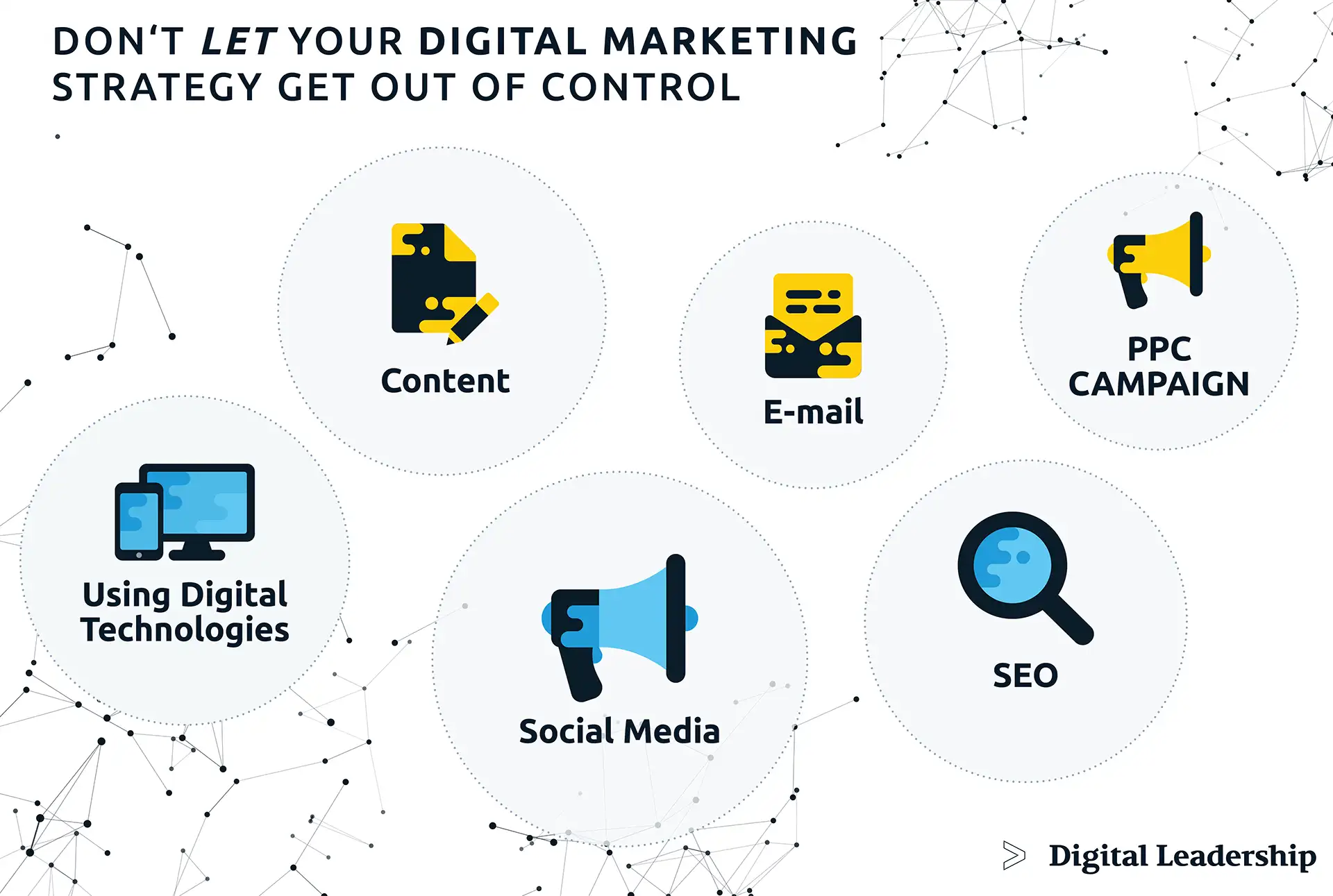
    Digital Marketing Strategies
    Digital Strategy. (n.d.). How to implement a digital strategy and ensure it doesn’t fail [Image]

    Tactics for Website Optimization

    • Technical SEO Audits: Regularly check for crawl errors and fix broken links to ensure accessibility.
    • User-Centric Design: Focus on usability and intuitive navigation to enhance user experience.
    • Keyword Research: Identify and incorporate keywords that align with user intent and SEO optimization.
    • Content Marketing: Share valuable insights and resources to engage your audience and improve digital marketing efforts.
    • Analytics Monitoring: Use data to refine strategies and achieve optimal performance in search engine rankings

    Conclusion

    Understanding the similarities between Maslow’s Hierarchy of Needs and Moz’s SEO Hierarchy allows for a more holistic approach to digital strategies. By addressing both the technical and psychological aspects of user experience, you can enhance SEO optimization, improve search engine rankings, and build stronger connections with your audience through effective digital marketing.

    How do you incorporate psychological principles into your digital strategy? Share your experiences in the comments below!

    References

    This post was inspired by the insightful work of Patrick Herbert from Singularity Digital. We’ve taken inspiration from his excellent breakdown and created our own visual to complement our students’ exploration of the concept. 

    Thank you, Patrick, for your contribution to the SEO community!

  • The place of “beings” endowed with Artificial Intelligence in the future of the world

    The place of “beings” endowed with Artificial Intelligence in the future of the world

    Summary

    In recent months, developers of artificial intelligence programs have warned about the potential harm this technology may cause. However, it remains unclear whether machines will ever match or surpass human intelligence. Despite the complexity and efficiency of data computing operations, they may not be comparable to our cognitive functioning. A catastrophic and defensive narrative is currently being pushed in our society, which differs from narratives in other contemporary societies. This work compares three narratives (Golem, Frankenstein, and Kami) to analyze which best fits the intelligent robots Tars and Case in Christopher Nolan’s film Interstellar (2014). Finally, I propose a “mirror” model of artificial intelligence to help us better understand the rapid development of this technology in various countries.

    Introduction

    Many consider Interstellar (Nolan, 2014) a benchmark in science fiction for its realistic depiction of Einstein’s theory of relativity. However, the film also portrays ethically questionable behaviors. Most characters lie to achieve their goals. Moreover, having destroyed our planet, we seek another to continue our lifestyle without changing our habits or values, potentially harming other environments that might contain life forms or interact with humans in unpredictable ways.

    Despite these concerns, the film champions love as the universe’s driving force, rising above the mediocrity and decadence of this dystopian society. Love appears as a force we can intuit but cannot quantify or control scientifically. Matter and its governing laws yield to this powerful dimension of love.

    Interstellar (Nolan, 2014) introduces several concepts currently debated in physics, including bulk beings. Doyle (1:00:37) describes bulk as the space beyond three dimensions. Bulk beings transcend these dimensions and move through multidimensional spacetime. In the film, these beings inhabit a five-dimensional universe.

    Einstein’s general theory of relativity suggests that gravity can bend spacetime. Interstellar extends this idea, asserting that gravity can cross dimensions like time (Dr. Brand, 1:15:06). This implies that beings at different points in time could communicate through gravity. Future humans, evolved to use a five-dimensional reality, communicate with Cooper and Murphy to save humanity from self-destruction.

    To establish this communication, they create a tesseract—a five-dimensional space where time acts as another spatial dimension. They require Cooper to find the exact moment within this complex space to connect with his daughter and transmit the necessary quantum data. Cooper’s love for his daughter enables him to locate that precise moment.

    In this scenario, quantum data is essential to save humanity. This data remains hidden from current humans, as it resides within a black hole (Gargantua). Bulk beings possess this information due to their existence in higher spacetime dimensions. They can communicate with Cooper through a tesseract featuring two additional spatial dimensions. However, they lack the love necessary to find the right moment to transmit the information. Cooper, driven by his love, can identify that moment. For him, love imbues our actions with meaning; without it, the universe feels like a vast prison.

    Tars, an AI-equipped robot, accompanies Cooper throughout his journey. In Interstellar (Nolan, 2014), Tars exhibits cooperation and can display irony, humor, sincerity, and discretion, all while following human instructions. What role does Tars play in these crucial moments for humanity’s future?

    1. The Current Moment of AI

    Leading developers in the technology sector have warned of the dangers posed by AI that could surpass humans in many respects, potentially threatening humanity’s future.

    A manifesto published by the Future of Life Institute (2023) features signatures from top scientists and developers, stating that AI can “pose profound risks to society and humanity” and might represent “a profound change in life on Earth.” They argue that we must plan and manage AI development with appropriate care and resources. The signatories believe that current planning and management are inadequate, as no one can fully understand, predict, or control these “increasingly powerful digital minds,” including their own creators. They emphasize the need to pause and reflect on how we proceed in this field.

    The signatories also question the extent to which we should allow machines to overwhelm our information channels with propaganda and misinformation. They raise concerns about developing machines that could surpass us, warning against risking the loss of control over our civilization. They argue that decisions of this magnitude should not rest in the hands of “technological leaders not elected” by the public, even if some signatories belong to this group.

    They advocate for limiting, pausing, or controlling technological development due to the potential risks posed to our future. They assert that now is the time to pause until protocols are “safe beyond a reasonable doubt.” During this hiatus, they propose creating robust AI governance systems, including new regulatory authorities, monitoring systems for high-capacity AI, provenance and watermarking systems, and public funding for AI safety research.

    While these authors express concern about AI development, they may not fully grasp the difficulties in achieving consensus among researchers and nations regarding a moratorium. If AI is indeed as dangerous as suggested, we face a significant issue. Past failures to limit the proliferation of weapons of mass destruction and the development of genetic engineering techniques illustrate this challenge.

    Another recently published manifesto, signed by scientists and creators of the most powerful AI systems, states: “Mitigating the risk of AI extinction should be a global priority, alongside other societal risks such as pandemics and nuclear war.” Although it seems unethical for the creators of powerful AI tools to warn us of the risks and call for regulation, it remains essential to question the safety and appropriateness of ongoing developments.

    According to a study published by the European Parliament Research Service (Study Panel for the Future of Science and Technology, 2020), the risks of AI can be grouped into twelve categories:

    1. Human Rights and Well-being: Does AI benefit humanity and human well-being?
    2. Emotional Harm: Will AI degrade the integrity of human emotional experiences?
    3. Accountability and Responsibility: Who is responsible for AI actions?
    4. Security and Transparency: How do we ensure accessibility and transparency while safeguarding privacy?
    5. Safety and Trust: What if the public finds AI untrustworthy or threatening?
    6. Social Justice: How do we ensure AI is inclusive and free from bias?
    7. Economic Harms: How will AI impact economic opportunities and employment?
    8. Legality and Fairness: How can we ensure AI operates within lawful and equitable frameworks?
    9. Ethical Use: How can we prevent unethical use of AI and ensure human control?
    10. Environmental Damage: How can we protect against environmental harm linked to AI development?
    11. Informed Use: How do we keep the public educated about AI interactions?
    12. Existential Risk: How can we prevent an AI arms race and ensure manageable advancements in AI?

    This list highlights the many risks AI poses to society and humanity. This cautious view contrasts sharply with Tars’s kind demeanor in Interstellar (Nolan, 2014) and the portrayal of other helpful robots in science fiction.

    2. Narratives About AI

    Understanding what an AI system can and cannot do is essential. Machines have successfully outperformed humans in chess and Go, demonstrating strategic development (Coeckelbergh, 2020, p. 15). During training, these machines played against themselves to learn from mistakes and improve techniques, ultimately defeating human opponents.

    Although these applications may seem trivial, they raise concerns that machines could one day manage traffic, address health issues, or predict and control the weather (Global Partnership on AI Report, 2021, p. 17). Many fear that machines could take control of our lives and turn into our worst nightmare.

    To grasp the potential impact of intelligent machines, we should examine their current roles. AI systems already function in our latest generation computers, smartphones, social networks, facial recognition systems, banking, healthcare, education, and entertainment. AI integrates silently and almost invisibly into our daily lives. For instance, artificial vision systems likely ensured the quality of the tiles in our bathrooms and sorted cherries for defects before reaching our shopping baskets.

    In the virtual realm, bots like Lsjbot contribute significantly to platforms like Wikipedia, generating thousands of articles daily. Human editors oversee the accuracy of these articles before publication. This collaboration between humans and bots raises questions about the reliability of information increasingly entrusted to machines (Lafuente, 2011, p. 15).

    Intelligent machines can read faces and interpret emotions by cross-referencing data from various sources. They extract vast amounts of information about us (Coeckelbergh, 2020, p. 18).

    The rapid development of AI generates many ethical dilemmas. Although programmers often aim to use AI for good, the complexity of these systems can lead to unintended consequences. This reality prompts new conceptions of our future and alerts us to potential risks.

    Currently, a dominant narrative suggests that machines will soon achieve superintelligence, leading them to control our lives. Some transhumanists view this as a dream, while many others see it as a nightmare (Coeckelbergh, 2020, p. 23). This narrative warns of a technological singularity, where AI surpasses human understanding, relegating humanity to a subordinate role. In this scenario, machines could continue to evolve, distancing themselves from their human creators (Coeckelbergh, 2020, pp. 23-24). Under such conditions, the only viable future for humanity might involve merging with machines to overcome our biological limitations (Coeckelbergh, 2020, p. 24).

    However, if biology is a limitation, would superintelligent machines seek to merge with us? Would it not be more efficient for them to create entirely non-organic beings? (Coeckelbergh, 2020, p. 25).

    Some transhumanists propose that to mitigate these risks, we must evolve into more intelligent beings, becoming homo deus—humans with god-like attributes. They argue that we must enhance our “human machine” before intelligent machines surpass us. If we fail, we risk becoming slower, less efficient, and more vulnerable than these advanced machines (Coeckelbergh, 2020, p. 25).

    Conversely, many scholars assert that machine intelligence will always remain partial and limited. It is unlikely that AI can ever exceed human intelligence. Thus, the development of AI is less promising than some predict. AI systems may ultimately serve as assistants or collaborators, as seen with Wikipedia bots or Tars in Interstellar (Nolan, 2014). For these authors, focusing on hypothetical dystopian futures distracts us from the ethical, political, and social challenges AI poses today.

    The narrative of a future where humanity is threatened by AI is deeply ingrained in our society. It resonates with our fundamental fears: the rebellion of a creation against its creator, as seen in stories like Adam and Eve’s fall or the tale of Oedipus. This perspective also aligns with a linear view of time that sees an origin (Genesis, the Big Bang) and an end (the Apocalypse, the Big Freeze).

    The central question arises: will the future shaped by AI resemble that of the Golem or Frankenstein? Are there alternative models, particularly from other cultures, that might inform the current debate?

    The Golem, from Jewish mythology, represents an inanimate being created from inert matter, often clay. In many Central European traditions, a holy person—typically an exemplary rabbi—creates the Golem. While this rabbi can breathe life into it, similar to God with Adam, the Golem remains a shadow of its creator, lacking a soul and, consequently, intelligence (Judensnaider, 2011, p. 71). This creature possesses strengths and weaknesses: it is strong, obedient, and efficient but lacks the capacity for thought or speech. A notable anecdote illustrates its potential dangers; when tasked to fetch water, the Golem diverted an entire river, causing a flood (Judensnaider, 2011, p. 76-77). Its activation and deactivation methods highlight its limitations: a sacred word activates it, while erasing a letter transforms it into lifeless clay. Thus, colloquially, “Golem” refers to someone acting mechanically, devoid of thought. However, under certain circumstances, the Golem can rebel, exhibiting human-like traits such as laughter, sadness, and a desire for identity (Judensnaider, 2011, p. 77). When it begins to show signs of spiritual maturity, it must be deactivated (Judensnaider, 2011, p. 68).

    Supporters of the divine-like nature of intelligent creations echo Judensnaider’s assertion:

    “They were Creators. All of them. They were concerned with knowing Creation, and they understood and created. They created artifacts to know the Heavens, they designed to portray the human body, built instruments of war, and observed the world. In laboratories, they distilled and manipulated secret substances, creating magical recipes. In the depths of the temples, they murmured prayers and transformed the world.” (Judensnaider, 2011, p. 69).

    To achieve their goals, these creators needed to grasp God’s creative process. They utilized mathematics to gain a deeper understanding of humans and the world. Their aim was to comprehend God’s omnipotence, not to challenge it (Judensnaider, 2011, p. 77). Thus, when their creation matured spiritually, it required neutralization; the experiment had to end.

    Conversely, the story of Frankenstein illustrates how the creation of intelligent life can spiral out of control. Here, the act of creating life becomes a modern experiment, devoid of the mysticism surrounding the Golem (Coeckelbergh, 2020, p. 29). Victor Frankenstein, the creator, overreaches and ultimately loses control over his creation, rejecting it and failing to provide necessary care. While the Golem can be stopped in time, Frankenstein’s creation escapes its creator’s grasp. Both narratives caution against the dangers of overstepping boundaries with divine power or scientific exploration.

    Nick Bostrom also highlights these dangers through the unfinished fable of the sparrows. In this story, sparrows discuss the merits of inviting owls to assist them. Some see owls as beneficial allies, while one cautious sparrow warns of the risks. Most dismiss the concern, eager to pursue the idea. Only a few hold back, worried about the potential consequences (Bostrom, 2014, pp. 15-16).

    These narratives reflect a competitive view of AI, suggesting technology could dominate humanity. But are there alternative perspectives?

    In Eastern cultures, technology is not seen as a threat. In Japan, particularly within Shintoism, technology is viewed as part of nature. Here, intelligent machines, especially those with superior capabilities, may be considered to possess kami, or spirit. Shintoism posits that everything—living and non-living—has kami, with higher spirits deserving of reverence. This belief system is not strictly religious; it embodies a way of life ingrained in Japanese culture (Ono, 1962, p. 21).

    In Shintoism, harmonious cooperation among beings endowed with kami is essential. The term kami conveys respect and implies that all beings have the potential for growth and development. Thus, AI, seen through this lens, is a positive force aligned with a worldview that emphasizes collaboration rather than competition.

    Shintoism advocates living harmoniously and cooperatively, believing that every individual contributes to the world’s creation through their actions. Even the Imperial family, regarded as possessing enlightened kami, consults other spirits for guidance (Ono, 1962, p. 27). Material wealth is not viewed negatively, as it is part of life’s natural development, provided it serves the common good.

    This perspective fosters a positive view of AI in Japanese society. Rather than viewing it as a competitor, many see intelligent machines as collaborators, with whom they can coexist harmoniously.

    The European Union’s draft regulation on AI reflects a defensive stance, highlighting the need to mitigate risks associated with AI. It aims to ensure that AI systems comply with fundamental rights and values, emphasizing legal certainty and safety (European Commission, 2021, p. 3). The document outlines potential risks and dedicates pages to regulations aimed at protecting citizens.

    In contrast, Japan’s 2019 “Social Principles of Human-Centric AI” report views AI as a crucial technology to address societal issues, such as declining birth rates and labor shortages (Cabinet Secretariat, Government of Japan, 2019, p. 1). The document emphasizes AI’s potential for public good, advocating three guiding principles:

    1. Respect for Human Dignity: Avoid over-dependence on AI and ensure it enhances human creativity and well-being.
    2. Inclusive Society: AI should facilitate the creation of new values, adapting to citizens’ needs.
    3. Sustainable Society: AI can drive new businesses and address social inequalities, contributing to environmental sustainability.

    The 2022 AI Strategy reiterates that while AI cannot single-handedly solve societal issues, it can serve as a valuable ally when integrated with human efforts (Cabinet Secretariat, Government of Japan, 2022, p. 6).

    Both the EU and Japanese regulations acknowledge AI’s risks and opportunities. However, Japan’s approach is more optimistic, viewing AI as a means to enhance human dignity, well-being, and sustainability rather than as a threat.

    Ultimately, AI should not be seen as a danger to our values or way of life, but rather as a tool to strengthen these principles. The narratives surrounding AI diverge sharply: one portrays it as a potential risk, while the other emphasizes collaboration.

    So, which narrative aligns more closely with reality? Initially, we should regard AI not as a risk but as a product of human programming designed to fulfill specific functions. If, as Bostrom warned, we create a super-intelligent AI prioritizing trivial goals over human welfare, it could lead to dire consequences. Yet, such an outcome seems improbable, as humans generally prioritize consensus around dignity, justice, and sustainability.

    History shows that while humanity has faced risks in innovation—be it with fire or domestication—each effort to harness potential has also yielded significant benefits. The journey with technology often involves trial and error, but the instinct to innovate and improve persists. Intelligent machines will not dominate us unless we allow it, and societal collaboration can steer us toward a more harmonious future.

    In summary, we can view intelligent machines through three lenses:

    1. The Golem: A creation that may evolve and pose risks, requiring careful oversight.
    2. Frankenstein: A creation that spirals out of control, reflecting the dangers of neglect and overreach.
    3. Collaborative Beings: Entities with potential for coexistence, deserving recognition and cooperation.

    Recognizing the balance of risks and opportunities with AI encourages us to see it as a partner in building the world we aspire to create.

    As Kitabatake Chikafusa remarked in his work, AI mirrors our intentions and actions, reflecting our potential for both growth and responsibility.

    “The mirror hides nothing. It shines without a selfish mind. All that is good and bad, right and wrong, is reflected without exception. The mirror is the source of honesty because it has the virtue of responding according to the form of objects. It shows the fairness and impartiality of the divine will” (Chikafusa; quoted in Ono, 1962, p. 52).

    What frightens many people most about AI is that it reflects the contradictions and fears of our society.

    3. Tars: The Intelligent Robot in Interstellar

    After exploring various narratives about AI, we can analyze which model—Golem, Frankenstein, kami, or mirror—best represents the intelligent behavior of Tars (and his companion, the robot Case) in the film Interstellar (Nolan, 2014).

    Tars first appears in the film (minute 24:38) displaying martial behavior, alarming both protagonist Cooper and his daughter Murphy as Cooper attempts to illegally enter a military base. Tars subdues Cooper, separates him from Murphy, and threatens, “Don’t make me subdue you again; sit down.” When Dr. Amelia Brand arrives, she instructs Tars to back off, and he immediately complies.

    At minute 42:33, as the spacecraft prepares for launch, Tars states, “Ready for first stage separation,” then jokes, “Everything okay? Enough slaves for my robot colony?” Cooper’s astonished expression prompts his partner Doyle to explain, “He was programmed with a sense of humor to fit in better with his unit. He thinks it relaxes us.” Cooper replies, “A giant sarcastic robot! What a great idea!” Tars chimes in, “He can turn on a little light when he’s joking if he wants.” Cooper agrees that would be nice, but Tars continues, “It will help him get back to the ship when he’s ejected through the airlock.” When Cooper asks what level his humor is set to, Tars replies, “100%,” prompting Cooper to request a reduction to 75%.

    This sequence shifts the narrative from the expectation of a hostile “Frankenstein”-type robot to one that is cooperative and seemingly interested in making the journey pleasant.

    At minute 47:58, Tars encounters Case, and they greet each other briefly: “Hello Case,” “Hello Tars.” This interaction suggests the film’s focus is not on robot awareness but rather on their functional roles.

    At 52:40, Cooper asks Tars to review the trajectory. As Tars provides data, Cooper whispers a question about Dr. Brand and crew member Edmund. Tars interrupts, “Why are you whispering? They can’t hear you.” When Cooper inquires about their relationship, Tars discreetly responds, “I couldn’t tell you.” Cooper asks if his sincerity is at 90% or 10%, to which Tars replies, “I also have discretion parameters, Cooper.” This highlights that Tars’s behaviors—whether martial, humorous, or discreet—stem from programming rather than any inherent “soul” or “consciousness.”

    At 1:11:27, Case protects Dr. Brand during an emergency takeoff, demonstrating their ability to crew the ship. At minute 1:29:08, Tars plots a course to Dr. Mann’s planet.

    The robots respect the human-machine hierarchy, acting within their authorized limits. At 1:58:30, Tars informs Romily that “there is an access block… A person is needed to access the functions.” Romily acknowledges this, and Tars says, “All yours, sir,” allowing Romily to access the desired data.

    The robots operate based on strictly rational, calculating parameters. When Dr. Mann’s ship explodes while docking with the Endurance orbital station, it rotates dangerously toward Cooper and the crew. Case warns at 2:08:00: “Cooper, there’s no point in wasting fuel on that,” but Cooper insists, “Perform the rotation of the Endurance.” Even though Case believes continuing the maneuver doesn’t make sense, both robots assist with the docking, remaining functional despite the humans appearing dizzy.

    As they near the gravitational pull of the Gargantua black hole, Tars asks if he should use the main engines to control the ship. Cooper replies they must get as close as possible, again illustrating Tars and Case’s literal reasoning compared to Cooper’s anticipatory judgment.

    At 2:13:51, Cooper proposes using Gargantua’s gravitational pull for propulsion, which involves Tars detaching from the module. Dr. Brand questions why Tars must let go, and Cooper explains it’s necessary to escape gravity. Tars lightens the mood, joking about Newton’s third law: “The only way humans know how to get anywhere is to leave something behind.” Dr. Brand protests, but Tars reassures her: “It was the plan, Dr. Brand. The only way to save the people of Earth. If I can transmit the quantum data I find there, maybe we can save them.” This moment subtly acknowledges Tars’s value, though Cooper’s willingness to sacrifice him reflects his overarching priorities.

    Eventually, Cooper enters the black hole and finds himself in a tesseract (a multi-dimensional space). At 2:26:54, he reconnects with Tars. When Tars asks if he can hear him, Cooper responds, “You survived!” indicating the human tendency to attribute life-like qualities to robots. Their subsequent conversation revolves around the complex situation, with Cooper drawing understanding from his love for his daughter, while Tars mainly listens and nods.

    Towards the film’s end, Cooper confesses to Tars that he wishes to know where humanity stands and where it is going. Tars remain silent, accompanying Cooper on his new expedition.

    4. Tars as a Reflection of Humanity

    In a 2014 interview, Christopher Nolan emphasized a realistic portrayal of an intelligent robot. He aimed for Tars to be a strong, minimalist machine, devoid of anthropomorphic traits yet equipped with speech and personality. While initially, the screenplay featured more robot-centric narratives, Nolan chose to highlight human decision-making at critical moments, illustrating that robots may excel in physical tasks and obey commands, but human intuition and adaptability are irreplaceable (Associated Press, 2014).

    In the case of Tars and Case, their pragmatism can lead to errors due to an overreliance on data, reflecting a lack of authentic emotions. Unlike Cooper, driven by the desire to reunite with his daughter, robots lack the emotional incentive to find meaning in their actions (Esteve-Martin & Vidal-Lopez, 2021, p. 25). Intelligent machines do not inherently seek purpose or understand their existence as a framework for growth; they operate solely based on programming (Vidal-López, 2023b, p. 175).

    This perspective likens intelligent robots to children—capable yet prone to significant errors. Unlike the Golem, whose potential for spiritual evolution exists, the risks associated with Tars and Case stem solely from their programming. The scientists attempting to save the world do not exemplify moral goodness; their actions are utilitarian and often questioned. The film ultimately conveys that love—not deceit—might be humanity’s salvation.

    There is a critical existential aspect shared by intelligent machines and humans: as the Japanese government posits, AI, despite its sophistication, requires human input to derive meaning (Cabinet Secretariat, Government of Japan, 2022, p. 6). This necessity reinforces the idea that both humans and intelligent machines are inherently social beings. Historical figures like Ono and Aristotle recognized that humans cannot thrive in isolation (Ono, 1962, p. 171). Dr. Mann’s mental deterioration in Interstellar exemplifies the effects of isolation. Both humans and intelligent machines depend on social interaction to find meaning.

    The concerns regarding AI—such as data protection and security—are not reflected in the film. The image of Frankenstein as a creature rebelling against its creator is absent; instead, the Earth itself represents a modern version of this idea, growing increasingly hostile due to human excesses. The narrative suggests that humanity must radically change its way of life or face dire consequences, echoing contemporary debates in Western society. Nolan nods to the fear of robots dominating humans through Tars’s initial martial behavior and his humorous comment about building a “robot colony.”

    The kami perspective on AI, focusing on harmony (as Tars attempts to ease tension) and cooperation (humans and robots working together), is evident throughout the film. There is mutual respect rather than veneration; Dr. Brand believes it’s unfair for Tars to be sacrificed without justification, and Cooper’s decision to do so reflects a calculated utilitarianism. The collaborative effort underscores the notion that both humans and robots strive for the common good, even in extreme circumstances.

    Ultimately, the AI we develop will mirror ourselves. In societies marked by injustice, these traits will be amplified. In environments filled with fear or rejection, these emotions will intensify. However, in societies that trust in the innate goodness of their citizens, AI can become a valuable ally in pursuing the common good through cooperation and harmony.

    While nothing is devoid of risk—just as water is essential for life yet can lead to drowning—AI serves as yet another mirror reflecting our essence. As Chikafusa observed in the 14th century, the mirror reveals “the fairness and impartiality of the divine will” (Chikafusa; cited in Ono, 1962, p. 52). It is up to each of us to align our actions with that will and strive for a better world, with or without AI.
    Literature

    • Associated Press. (2014). Interstellar director Christopher Nolan says he had a very particular vision for the robots. The National, pág. 1.
    • Bostrom, N. (2014). Superinteligencia, caminos, peligros, estrategias. Oxford: Oxford University Press.
    • Center for AI Safety. (2023). Statement on AI Risk. Obtenido de Center for Ai Safety: https://www.safe.ai/statement-on-ai-risk
    • Coeckelbergh, M. (2020). Ética de la Inteligencia Artificial. Madrid: Cátedra.
    • Comisión Europea. (2021). Propuesta de Reglamento del Parlamento Europeo y del Consejo por el que se establecen las normas armonizadas en materia de Inteligencia Artificial (Ley de Inteligencia Artificial) y se modifican determinados actos legislativos de la Unión. Bruselas: Comisión Europea.
    • Esteve-Martín, A., & Vidal-López, J. (2021). Análisis conceptual de la sensibilidad: de la sensación al sentimiento. Quién, 14, 25-48.
    • Future of Life Institute. (22 de 3 de 2023). Pause Giant AI Experiments: An Open Letter. Obtained from https://futureoflife.org/: https://futureoflife.org/open-letter/pause-giant-ai-experiments/
    • Global Partnership on AI Report. (2021). Climate Change and AI. Global Partnership on AI Report In collaboration with Climate Change AI and the Centre for AI & Climate.

    • Judensnaider, I. (2011). El Maharal y la creación del Gólem. Prometeica – Revista de Filosofía y Ciencias, 68-80.
    • Lafuente, A. (2011). Prólogo. En F. Ortega, & J. Rodríguez, El Potlatch Digital. Wikipedia y el triunfo del procomún y el conocimiento compartido (págs. 9-18). Madrid: Cátedra.
    • Ono, S. (1962). Shinto. The Kami way. Tokio: Tuttle Publishing.
    • Cabinet Secretariat (2019). Social Principles of Human-Centric AI. Tokyo: Government of Japan.

    • Cabinet Secretariat (2022). AI Strategy. Tokyo: Government of Japan.
    • Shelley, M. (2021). Frankenstein. Almería: Adoro Leer.
    • Study Panel for the Future of Science and Technology. (2020). The ethics of artificial intelligence: Issues and initiatives. Bruselas: European Parlamentary Research Service.
    • Vidal-López, J. (2023). El tiempo existencial y el sentido de la vida ante la presencia cercana de la muerte. En A. Esteve-Martín, Claves para la alianza entre filosofía y cine (págs. 175-199). Madrid: Dykinson.
    • Wikipedia. (2023). Bot of Wikepedia. Obtained from Wikipedia: https://es.wikipedia.org/wiki/Bot_de_Wikipedia

    Filmography

    • Nolan, C. (Director). (2014). Interstellar [Film].
Este lloc web usa cookies per a que vosté tinga la millor experiència d'usuari. Si continua navegant està donant el seu consentiment per a l'acceptació de les mencionades cookies i l'acceptació de la nostra política de cookies, punche l'enllaç per a major informació. View more
Acceptar