Author: admin

  • Impact of Social Media on Brand Communication | Strategies

    Impact of Social Media on Brand Communication | Strategies

    Introduction

    Social media has transformed how brands communicate with their audiences. Understanding the impact of social media on brand communication is essential for businesses aiming to connect directly, enhance visibility, and foster lasting customer loyalty. However, not all social networks deliver the same results. Therefore, choosing the right platform significantly influences your success.

    In this blog, we examine the impact of social media on brand communication and offer proven strategies to select the ideal platform based on your business goals and audience preferences.

    The Impact of Social Media on Brand Communication

    The rise of social media dramatically altered traditional brand communication methods, shifting from one-way broadcasting to interactive, two-way conversations. According to Bhatti, Arif, and Younas (2018), effectively using social media significantly enhances brand image and awareness, thus strengthening brand knowledge and customer loyalty.

    Direct Engagement and Interaction

    Platforms such as Twitter (X), LinkedIn, and Pinterest empower brands to foster authentic connections through active engagement. Customer interactions via comments, shares, direct messages, and even live sessions help build genuine relationships. These exchanges encourage trust, enhance brand perception, and increase customer loyalty over time.
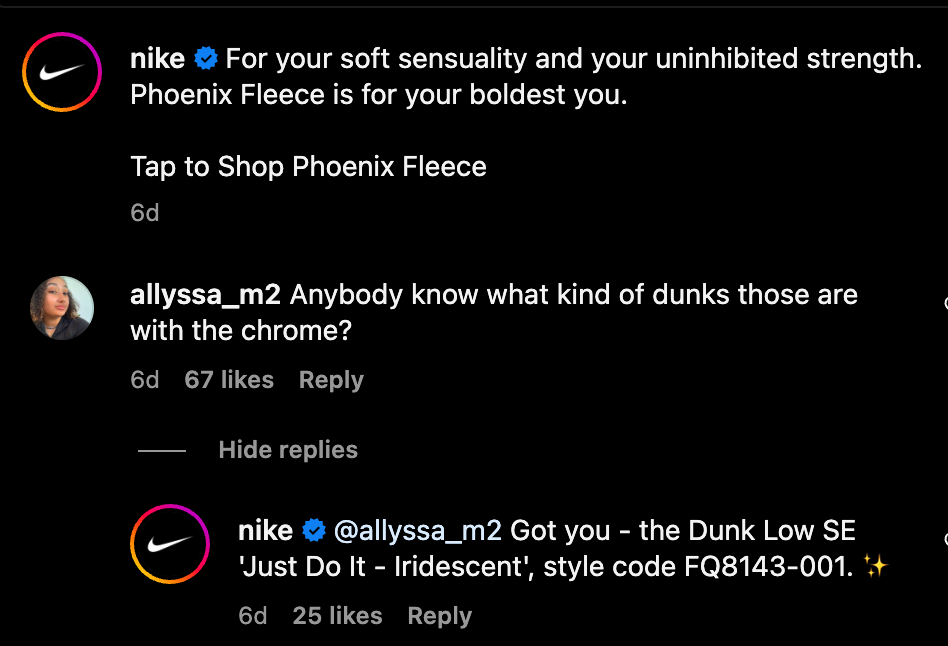
    Nike engaging with customers on social media
    Nike engaging with customers on social media

    Brand Awareness and Visibility

    One of social media’s key strengths is its power to amplify brand exposure. Platforms like Instagram, Facebook, and TikTok provide unique tools and formats to deliver visually appealing content, reaching large and diverse global audiences effortlessly. Consistent, engaging posts maintain audience interest, while targeted ads allow brands to precisely reach their desired customer segments, further increasing visibility (Hootsuite, 2025).

    Community Building

    Creating strong brand communities has become significantly easier through platforms like Twitter (X), LinkedIn, and Instagram. These networks help brands nurture groups of loyal followers who share common interests. Engaged communities provide brands with valuable insights into consumer preferences and behaviors, thus guiding strategic decisions.
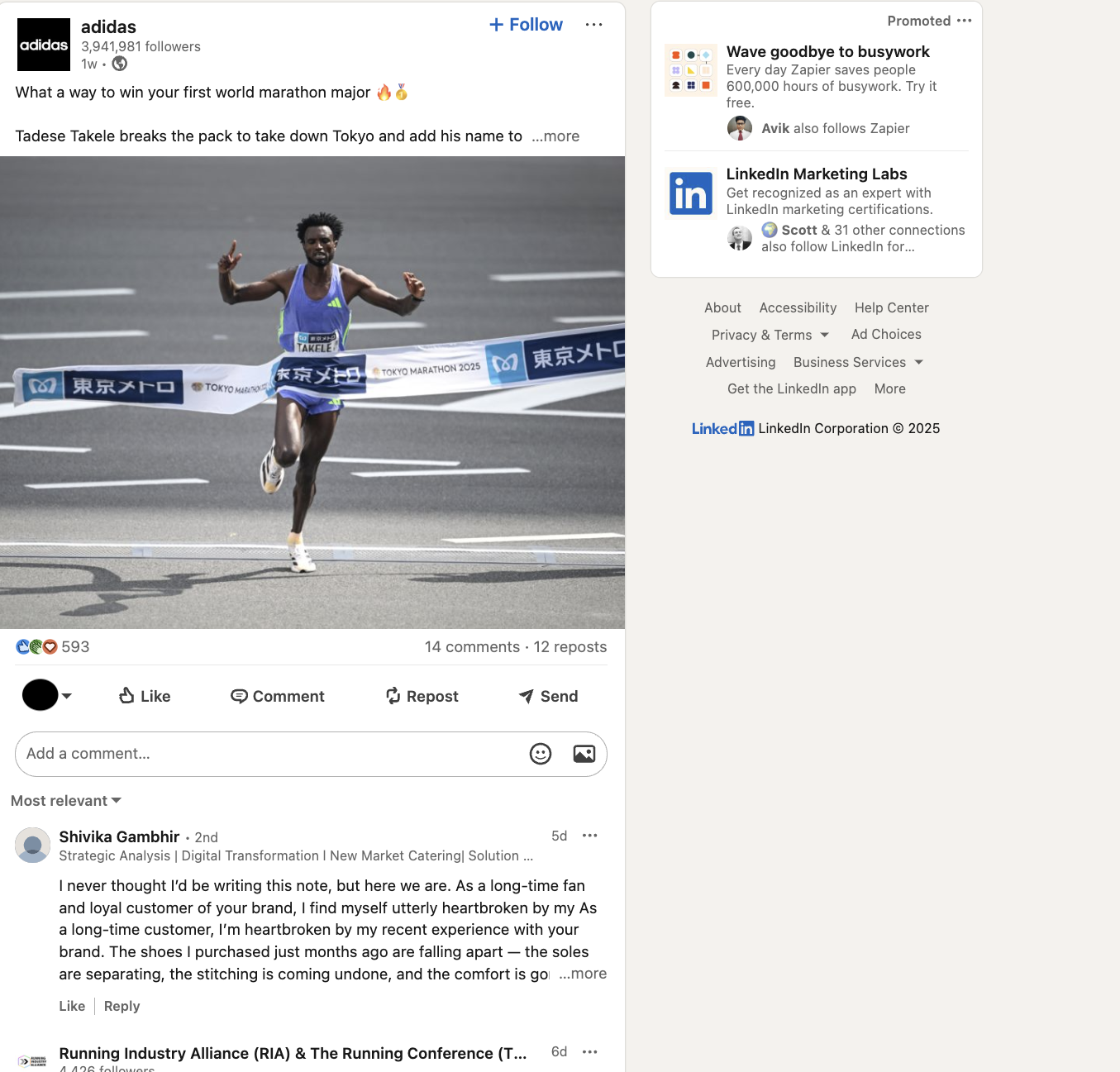
    Active brand community interacting on LinkedIn

    Content Sharing and Virality

    One key advantage offered by social media is the ease with which content can be shared, increasing the potential for virality. Although going viral isn’t guaranteed, strategically leveraging smaller niche trends—known as micro-virality—can amplify brand messages effectively and authentically.

    Influencer Marketing

    Partnering with social media influencers has become an effective approach to authentically reaching new audiences. Influencer endorsements improve credibility, strengthen brand image, and enhance customer trust, providing genuine connections that resonate deeply with consumers (Hootsuite, 2025).

    Influencer partnership boosting brand visibility
    Influencer partnership boosting brand visibility

    How to Choose the Most Suitable Social Network for Your Brand

    Choosing the appropriate social media platform is crucial. Consider these essential factors:

    Know Your Audience

    Each social network attracts different demographics. Identify where your audience spends time:

    • Facebook: Diverse audience; primarily ages 25-40.
    • Instagram: Best for visual brands targeting ages 18-35.
    • TikTok: Ideal for Gen Z with short-form videos.
    • LinkedIn: Professional networking and B2B audiences.
    • Twitter (X): For real-time updates and trending conversations.
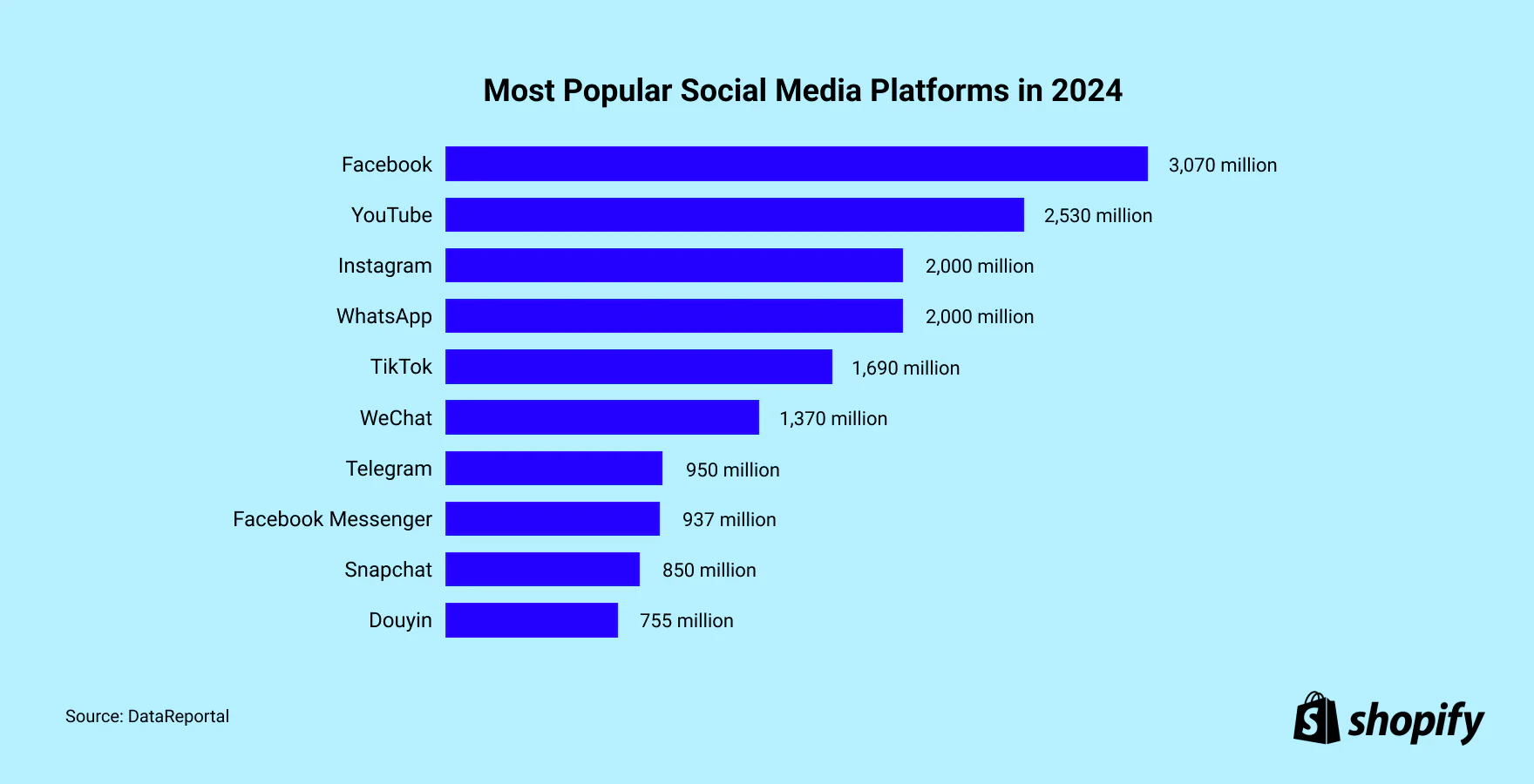
    Choosing best social media platform for your brand
    Infographic illustrating the Top 10 Most Popular Social Media Platforms in 2024

    Consider Your Brand’s Content Type

    Different platforms cater to different content types:

    • Visual: Instagram, Pinterest, TikTok
    • Professional: LinkedIn

    Evaluate Platform Features and Tools

    Choose platforms with features aligned to your business goals. For example, Instagram’s Shop is great for e-commerce, while LinkedIn is excellent for B2B lead generation.

    Align with Your Brand’s Aesthetic

    Match your brand’s voice and style to suitable platforms:

    • Creative and fun brands thrive on TikTok.
    • Professional brands succeed on LinkedIn.

    Assess Platform Growth Potential

    Consider not just popularity, but growth potential. Platforms like TikTok offer unique opportunities to gain visibility early.
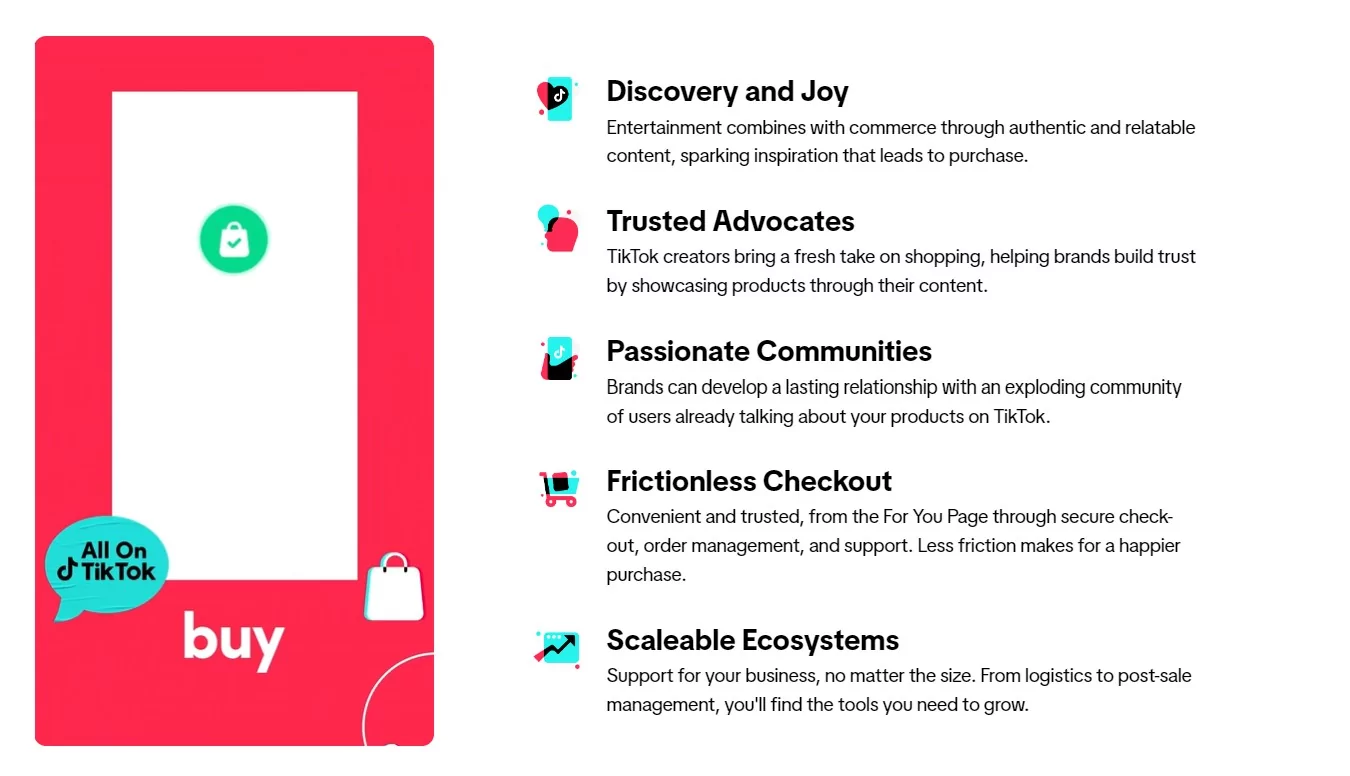
    TikTok for Business: How to Maximize the Impact of Ads
    TikTok for Business: How to Maximize the Impact of Ads

    Analyze Competitor Presence

    Analyze competitor strategies to identify where to position or differentiate your brand effectively.

    Conclusion

    Understanding the impact of social media on brand communication allows businesses to effectively leverage direct customer interactions, significantly boost visibility, cultivate active brand communities, and strategically utilize influencer marketing. Carefully selecting the right platforms aligned with your audience, content style, and business goals is key to achieving long-term brand success (Bhatti et al., 2018; Hootsuite, 2025).

    The studies reviewed confirm that successful brands stay agile, regularly experiment with creative content, and effectively harness real-time insights from social listening. As the digital landscape evolves, adapting quickly to emerging trends like micro-virality and strategic influencer collaborations can provide a significant competitive advantage.

    Ready to elevate your digital marketing expertise even further?

    Explore more in-depth insights by checking out our Master in Digital Marketing and Communication at Cape Canaveral University.

    References:

  • Neuroscience in business behind organizational culture

    Neuroscience in business behind organizational culture

    Recent years have seen a growing interest in the intersection of neuroscience and organizational behavior in the business world. This intersection has led to the development of Neuroscience in Business and Organizational Culture, which studies how the brain processes information and regulates behavior. This field offers valuable insights into how individuals interact within organizations.

    Meanwhile, organizational culture—the shared values, beliefs, and norms that shape behavior within a company—also influences human neurological responses.

    By understanding the neuroscience behind organizational culture, leaders can design more effective structures, enhance employee well-being, and promote innovation and productivity.

    The Brain Influenced by Social Behavior

    At the core of any organizational culture lies the social behavior of its members. Neuroscience in business behind organizational culture reveals that humans are social creatures, and our brains are wired to seek connection and collaboration. The prefrontal cortex, a key brain structure involved in social interactions, governs decision-making, empathy, and the understanding of social norms. Consequently, this system facilitates group gathering and collaboration, which are essential aspects of any organizational culture.

    When employees feel a sense of belonging and trust within their organization, their brains release oxytocin, activating positive emotions like trust and empathy. As a result, this enhances team collaboration and reduces conflicts. In fact, an inclusive, supportive, and comfortable organizational culture triggers this natural neurological process, leading to greater employee satisfaction and productivity.

    Conversely, when employees perceive their organizational environment as hostile or stressful, the brain’s amygdala—the center for processing threats and stress—activates. Subsequently, understanding the neuroscience behind organizational culture reveals that this activation releases cortisol, the stress hormone, resulting in decreased cognitive function, lower motivation, and increased anxiety. Therefore, high levels of stress over time can create a toxic organizational culture characterized by fear and disengagement. Organizations must actively manage stress to prevent a negative culture from taking root.

    The Reward System’s Role

    Dopamine, the primary neurotransmitter associated with reward and pleasure, significantly shapes organizational behavior. Companies that establish clear reward systems motivate employees to perform better. Neuroscientific research shows that when individuals anticipate a reward, their dopamine levels increase, enhancing focus and perseverance.

    However, not all rewards are equal. Neuroscience in business behind organizational culture shows that rewards such as personal growth, job satisfaction, and alignment with company values often serve as more sustainable motivators than monetary rewards. As a result, organizations that emphasize purpose and create opportunities for personal development tap into deeper neurological rewards, promoting long-term commitment and engagement from employees.

    Furthermore, the neuroscience behind motivation also indicates that unpredictability can undermine the brain’s reward systems. Inconsistent rewards may lead to decreased motivation and productivity. Therefore, leaders need to establish transparent, fair, and consistent reward structures to maintain employee motivation and foster a positive organizational culture.

    Organizational Structure

    An organization’s structure can significantly impact the cognitive experience of employees. Cognitive load refers to the mental effort required to process information and make decisions. Neuroscience reveals that the brain has limited cognitive resources, and excessive cognitive load can lead to burnout, decision fatigue, and reduced productivity.

    Bureaucratic organizations with complex hierarchies and unclear decision-making processes can increase cognitive load, forcing employees to navigate intricate systems to accomplish tasks. The neuroscience behind organizational culture suggests that in contrast, organizations with clear structures reduce cognitive strain, allowing employees to focus on creativity, problem-solving, and innovation. Empowering employees with autonomy and minimizing unnecessary complexity can free up cognitive resources, leading to greater efficiency and job satisfaction.

    Effective communication also plays a crucial role. When communication lacks clarity, employees expend more mental energy interpreting messages, resulting in frustration and errors. Neuroscience suggests that clear, concise, and frequent communication is vital for reducing cognitive load and ensuring employees feel supported and informed.

    Change and Adaptation

    Organizations must adapt to changing market conditions, technologies, and consumer demands. Neuroscience in business behind organizational culture highlights that change can be challenging for employees, as the brain favors stability and predictability. A brain region involved in habit formation often resists change to conserve energy by relying on routines. This preference for routine can make implementing organizational change initiatives challenging.

    Understanding the neuroscience of change can help design more effective strategies. Gradually introducing new processes, providing clear reasons for change, and offering support during transitions can reduce employee resistance. When employees perceive change positively and with a clear sense of purpose, the brain’s reward systems activate, helping them embrace new ways of working.

    Organizations that foster a culture of continuous learning and adaptability can harness the brain’s evolution, ensuring employees remain open to change.

    Emotional Intelligence and Leadership

    Neuroscience underscores the importance of emotional intelligence in leadership. Emotional intelligence involves recognizing and managing one’s emotions while understanding and influencing the emotions of others. Leaders with high emotional intelligence navigate complex social dynamics, build trust, and foster positive organizational cultures.

    The brain’s emotional system is highly sensitive to social cues from leaders. When leaders exhibit empathy, self-regulation, and social awareness, they create an environment of psychological safety. Employees are more likely to take risks, share ideas, and collaborate when they feel emotionally supported by their leaders. Neuroscience emphasizes that leadership extends beyond decision-making; it involves promoting positive emotional climates that enhance team performance and well-being.

    Conclusion

    Understanding the neuroscience behind organizational culture provides valuable insights into how companies can optimize their structures to support employee well-being and productivity. By leveraging the neuroscience behind organizational culture, organizations can explore social behavior, reward systems, cognitive load, and adaptability to change, creating environments that encourage collaboration, innovation, and engagement. Leaders who prioritize emotional intelligence can foster cultures of trust and psychological safety, ensuring their teams adapt effectively in a rapidly changing world. As neuroscience continues to evolve, its applications in organizational behavior will become increasingly critical for the success of companies in the coming years.

  • Effective Content Marketing Strategies to Attract and Retain Customers

    Effective Content Marketing Strategies to Attract and Retain Customers

    Effective Content Marketing Strategies to Attract and Retain Customers

    Introduction

    In today’s digital age, content marketing has become a cornerstone for businesses looking to attract and retain customers. Creating valuableengaging content allows businesses to build lasting relationships with their audience, offering more than just products or services it means  attract and retain Customers. But what involves effective content marketing strategies to attract and retain customers? Let’s explore three key strategies that successful companies use, along with real-world examples. 

    Consistent and Valuable Content Creation

    Consistency is key in content marketing. Regularly providing valuable, relevant content ensures your audience keeps coming back for more. High-quality content can include blog posts, videos, infographics, and more, each designed to answer a specific need or question from your target audience.

    Recording a professional video using a smartphone with a Samsung SSD attached.

    Best Practice: Develop a content calendar that outlines what type of content will be published, when, and on which platforms.

    This not only keeps your strategy organized but also helps ensure consistency.

    Example: HubSpot, a leader in marketing software, is a great example of a brand that consistently creates valuable content. Their blog, which covers everything from inbound marketing to sales strategies, has become a trusted resource for businesses and marketers alike. Their ability to regularly provide helpful information has not only attracted a large audience but has also helped retain loyal customers who continuously return for insights and updates.

    According to Content Marketing Institute, 72% of marketers say that content marketing increases engagement and generates more leads than traditional methods (CMI, 2023). Regular content updates signal to search engines that your site is active, which can boost SEO efforts and increase organic traffic.

    Personalization and Targeting

    Gone are the days of one-size-fits-all marketing. Today’s consumers expect content that speaks directly to their needs and interests. Personalizing content by tailoring messages to specific audience segments helps businesses connect with their customers on a deeper level.

    Best Practice: Use customer data and analytics to create personalized content. Segment your audience based on demographics, preferences, and behaviors, then create targeted content for each group. This can include personalized emails, targeted blog posts, or even tailored social media campaigns.

    Example: Netflix is a prime example of a company that excels in content personalization. They use customer data to recommend shows and movies based on individual viewing habits. This personalized approach has helped them not only attract millions of subscribers but also retain them by providing content that feels custom-made for each viewer.

    According to a Bloomreach report, 80% of consumers are more likely to make a purchase when brands offer personalized experiences (Bloomreach, 2024). By personalizing content, businesses can significantly improve customer retention and satisfaction.

    Netflix Originals displayed on a laptop screen.

    Storytelling and Emotional Engagement

    Great content tells a story. Whether it’s sharing a customer success story, showcasing the journey behind a product, or creating a relatable narrative around your brand, storytelling helps create an emotional connection with your audience. When done well, storytelling can build brand loyalty and turn customers into advocates.

    Best Practice: Use storytelling techniques to engage your audience emotionally. This could include sharing behind-the-scenes stories, customer testimonials, or using real-life examples to demonstrate the value of your product or service.

    Example: Coca-Cola has long been a master of storytelling in its content marketing efforts. From their “Share a Coke” campaign to their heartwarming holiday commercials, Coca-Cola has always focused on stories that evoke positive emotions. These campaigns not only attract new customers but also deepen the emotional bond that existing customers have with the brand.

    A study from Harvard Business Review shows that emotionally engaged customers are 52% more valuable to a brand than highly satisfied customers (HBR, 2023). By connecting emotionally, businesses can retain customers longer and encourage repeat purchases.

    Conclusion

    Content marketing is an essential tool for attracting and retaining customers, but it requires a thoughtful approach. By focusing on consistent content creation, personalized targeting, and storytelling, businesses can build strong relationships with their audience that go beyond simple transactions. Companies like HubSpot, Netflix, and Coca-Cola provide excellent examples of how to implement these strategies successfully.

  • How to Use Neuroscience in Business

    How to Use Neuroscience in Business

    How to use Neuroscience in Business

    How to Use Neuroscience in Business

    Insights from Antisocial Personality Disorder.
    Neuroscience is a powerful tool in the business world, offering deeper insights into complex human behaviors.

    Insights from Antisocial Personality Disorder

    Neuroscience is a powerful tool in the business world, not only enhancing decision-making and leadership but also offering deeper insights into complex human behaviors. Specifically, research into personality disorders, such as Antisocial Personality Disorder (ASPD), provides valuable lessons that can transform management practices and organizational strategies.

    What is Antisocial Personality Disorder (ASPD)?

    ASPD is characterized by a persistent disregard for social norms and an unrelenting focus on personal goals. Symptoms such as deceit, manipulation, and defiance of authority can appear in childhood, and in adulthood, these may evolve into riskier and sometimes criminal behaviors. However, crucially in the business context, some individuals with ASPD can adapt and thrive in social and professional settings.

    The Importance of Empathy in Business

    The ability of certain individuals with ASPD to understand others’ feelings and manipulate them for personal gain illustrates a type of cognitive empathy: they can comprehend emotions but do not necessarily feel them. In business, this ability can be useful in situations like negotiations or strategic decision-making. However, for effective and sustainable leadership, it is vital to balance this with emotional empathy, which fosters deeper and more lasting connections.

    Key Lessons from ASPD for Business Leaders

    Effective leaders need to understand the difference between emotionally connecting with others and simply recognizing what they feel. This distinction is crucial for effectively managing teams and maintaining a healthy workplace environment.

    The study of ASPD highlights the need to promote a business culture that prioritizes ethics and social responsibility. Strategies that include manipulation or deceit may provide short-term benefits but damage reputation and sustainability in the long run.

    Prosocial skills not only improve the work environment but are also essential for employee well-being and team effectiveness. Implementing development programs for these skills can lead to a more cooperative and productive environment.

    It is critical for leaders to recognize potentially manipulative or harmful behaviors early on and establish policies to effectively manage these risks.

  • El impacto de la renovación de marca en la publicidad

    El impacto de la renovación de marca en la publicidad


    Todo cambia con el paso del tiempo. Sin embargo, no todos los cambios pueden tener un impacto negativo. Algunos cambios son para mejor. Esto puede ser cierto para los creadores de marcas que intentan incrementar la popularidad de productos mediante la renovación de una marca en lugar de apostar por anuncios llamativos. La renovación de marcas se ha convertido en un movimiento estratégico para atraer a las nuevas generaciones.

    Navegar por el péndulo de la renovación de marca

    Muchas empresas se han subido a este carro de la renovación de marca. El director de estrategia de FutureBrand, la agencia de branding y experiencia de IPG, apoya esta afirmación al mencionar que: “hoy en día, todas las marcas buscan mantenerse modernas, seguir siendo relevantes, ser ágiles y adaptarse rápidamente a las necesidades de los consumidores en este panorama tan cambiante en el que todo se ve alterado”. No obstante, a algunos profesionales del márketing les resulta difícil crecer mediante un cambio de marca. Se cree que alrededor del 36% de estos profesionales de todo el mundo tienen previsto ampliar sus inversiones en cambios de marca este año. Según el director de estrategia creativa de la agencia de branding BrandOpus, Chris Ertel, el objetivo es “volver a estar en contacto con el cliente”. Tales profesionales pueden lograrlo siendo observadores de lo que puede atraer al público.

    Según el informe Blueprint For Brand Growth de Kantar, hay cuatro factores que contribuyen a la predisposición general del consumidor hacia las marcas: la percepción de una sólida experiencia de consumo, función o rendimiento; el diseño o la amplitud de la oferta; la comodidad; y una gran publicidad.

    En el competitivo panorama actual, estos profesionales reconocen la necesidad de renovar sus marcas para seguir el ritmo de las cambiantes demandas de los consumidores. Sin embargo, no todos los esfuerzos de renovación de marca tienen el mismo éxito. Las marcas que se dirigen directamente al consumidor están estableciendo cada vez más puntos de venta físicos. Esto requiere una imagen renovada y una narrativa de marca más convincente y basada en datos. Del mismo modo, las marcas establecidas deben refinar sus historias de marca para que resuenen en el público moderno, sin poner en peligro su valor de marca existente.

    El poder del diseño

    No cabe duda de que una imagen vale más que mil palabras. Por ello, los diseños constituyen un modo óptimo de comunicación. Los símbolos de marca reconocibles facilitan la identificación del cliente con una marca, aumentando así la probabilidad de éxito en segmentos de mercado estrechamente relacionados. Por ejemplo, marcas tan conocidas como Kraft Heinz y Manischewitz están cambiando de táctica para atraer a un público más amplio y ampliar el consumo de sus productos. Un enfoque nuevo e innovador de estos cambios de marca puede mantener la relevancia de cada una de ellas a pesar de llevar varios años en el mercado. Un cambio inesperado tiene la posibilidad de captar la atención de nuevos usuarios de cualquier producto y despertar su curiosidad por adquirirlo.

    Los profesionales del márketing piden ahora a las agencias de branding que trabajen en una gama más amplia de elementos de la marca, incluidos los canales minorista, digital, social y de relaciones públicas, además de los activos básicos de la marca, como el envase. Este enfoque integral se considera más justificable para los profesionales del marketing márketing preocupados por el presupuesto, ya que ofrece un mayor valor global para la marca en comparación con un trabajo de diseño más limitado.

    Tomar precauciones

    En el proceso de rejuvenecimiento de sus marcas, los profesionales del márketing deben tener muy en cuenta los cambios que se han producido en el sector en los últimos años. Tradicionalmente, los elementos fundamentales de la identidad de marca se percibían como inmutables, mientras que las campañas dinámicas servían de herramienta adaptable para que las marcas mantuvieran su relevancia. No obstante, los profesionales del márketing deben tener cuidado a la hora de modificar los elementos fundamentales de su identidad de marca. En los últimos años, marcas muy conocidas se han dejado influenciar por las empresas tecnológicas, adoptando una estrategia de diseño minimalista que podría mermar su identidad y su valor. Además, los responsables de márketing deben especificar si pretenden cambiar la marca de sus productos para un público diferente o si solo están realizando cambios superficiales en el diseño.

    Reflexiones finales

    A pesar del solapamiento de las definiciones de la renovación de marca, actualización, reposicionamiento y rediseño, los profesionales del márketing son determinantes en el diseño de una estrategia que puede fortalecer las marcas a medida que el sector se aleja de los años dominados por el márketing de resultados y vuelve a los principios fundamentales de la construcción de marcas.

    Bibliografía:

    Kelly, C. (2024, July 10). Why marketers keep refreshing brands instead of betting on splashy ads. Marketing Dive. https://www.marketingdive.com/news/companies-rebranding-in-2024/719804/


  • The Impact of AI Technology on CTV Advertising

    The Impact of AI Technology on CTV Advertising

    AI and Advertisement

    It’s clear that artificial intelligence (AI) has revolutionized every aspect of modern life. AI is becoming increasingly useful across a wide range of careers. From medicine to marketing, AI has proven its effectiveness. For example, the marketing field has used AI to create advertisements that appeal to broader audiences.

    New insights from LG Ad Solutions show how consumers perceive and prefer AI in Content-Tailored TV (CTV) ads. Data reveals that 49% of customers can identify whether an ad was generated by AI. Nearly half (49%) say they notice no difference between an AI-generated ad and one created using traditional methods, as long as the ad looks genuine.

    This data highlights AI’s growing influence in driving CTV’s growth, evidenced by personalized advertising and improved brand perception among respondents. Currently, over 1,400 active startups operate in the generative AI industry, including 55 focused on developing advertising creative. In the UK alone, $4.5 billion was invested last year in AI-driven startups. These technological advancements allow companies to create global ad campaigns in the blink of an eye, enabling highly personalized campaigns for different markets simultaneously. However, as advertisers adopt these new, innovative approaches, they must understand how consumers will respond to maximize their impact and effectiveness.

    Advertising to the People

    Evidence from a recent study of over 500 U.S. connected TV (CTV) users shows that about 74% of people have seen commercials they believe are personal to them. A recent report reveals that 55% of respondents from a new survey found that consumers over 55 do not perceive personalized ads the same way teenagers do. Older adults, who are less likely to notice these ads, contribute to this difference. As a result, this highlights a generational barrier in how different groups respond to advertisements. Additionally, the research shows that nearly 40% of buyers believe brands that use AI-driven ads are more innovative. The study also highlights that more than half (51%) of buyers in the 35-54 age group share this view.

    AI Improving Marketing

    In summary, the technology that LG Ad Solutions is using includes AI for the best efficiency and accuracy in understanding consumer behaviors across LGE global platforms and automation on the inserted ads to avoid misplacements. The AI-themed work by LG Ad Solutions is with the company’s Alpha division, which engages in natural processing technology. This technological process is quite exciting and seen as a breakthrough. AI reporting is the next step that LG Ad Solutions is likely to embrace. This will be the process that allows firms to access full analytics and take customized questions as they wish.

    Bibliography

    https://www.marketingtechnews.net/news/2024/jun/17/49-of-consumers-believe-they-can-distinguish-between-traditional-and-ai-ads-on-ctv/

  • La inteligencia artificial optimiza y mejora las estrategias de marketing

    La inteligencia artificial optimiza y mejora las estrategias de marketing


    IA y marketingA la vez que las empresas se esfuerzan por seguir siendo competitivas en un mercado cambiante, la inteligencia artificial mejora su eficiencia operativa y revoluciona las estrategias de marketing.

    Contenido personalizado

    La IA permite recopilar datos detallados sobre el comportamiento y las preferencias de los clientes. Esta información sirve luego para ofrecer a esos mismos clientes contenido relevante y personalizado. Desde recomendaciones de productos basadas en sus historiales de compra hasta correos electrónicos con contenido adaptado a sus intereses y anuncios en línea específicos para cada usuario.

    La personalización no solo mejora la experiencia del cliente, sino que también aumenta las tasas de conversión de clientes potenciales en clientes activos. Los consumidores son más propensos a interactuar y comprar cuando se les presenta contenido que resuena con ellos a nivel personal.

    Las posibilidades de la IA

    La IA se ha hecho un hueco en múltiples tareas en marketing gracias a las distintas posibilidades de aplicación que ofrece:

    • Creación de copy: los algoritmos de generación de lenguaje natural permiten crear textos coherentes y atractivos para los clientes, a la vez que ahorra a las empresas tiempo y recursos en la elaboración de contenido.

    • Creación de imágenes: en función de parámetros específicos, la IA genera imágenes personalizadas, lo que resulta útil para la creación de gráficos, logotipos y otros elementos visuales. Esta funcionalidad puede acelerar el proceso creativo y mejorar la coherencia visual.

    • Edición de fotos: la IA mejora de forma automática las imágenes, el brillo, el contraste, la saturación. Además, elimina imperfecciones y aplica automáticamente filtros y efectos especiales, lo que facilita el trabajo de los diseñadores.

    • Aumento de la visibilidad en redes sociales: los algoritmos pueden analizar los datos demográficos, preferencias y comportamientos de los usuarios para determinar el momento adecuado para publicar contenido. También puede identificar las palabras clave y las etiquetas más relevantes para mejorar la visibilidad y el alcance del mensaje.

    • Mejora del posicionamiento en la red: los algoritmos de la IA pueden analizar y comprender el contenido de un sitio web, identificar palabras clave, analizar a los competidores y sugerir mejoras para mejorar la posición en los resultados de búsqueda.

    • Mejora de la atención al cliente: los chatbots son capaces de ofrecer un servicio eficiente y personalizado. Responden preguntas frecuentes, recomiendan productos y resuelven problemas comunes de manera rápida y precisa. A través del análisis de las interacciones con los usuarios la IA identifica patrones y tendencias, lo que ayuda a mejorar continuamente la calidad del servicio.

    • Recomendaciones personalizadas: al utilizar algoritmos de aprendizaje automático, las empresas pueden mostrar a sus compradores productos o servicios relevantes, aumentando la posibilidad de que simples visitantes se conviertan en clientes, y mejorando la experiencia de los usuarios.

    • Publicidad: los algoritmos pueden analizar datos demográficos, intereses y comportamientos para mostrar anuncios relevantes para segmentos de audiencia específicos. Así se consigue una estrategia de publicidad más efectiva que tiende a maximizar el retorno de la inversión.

    Automatización y optimización

    Procesos repetitivos como el envío de correos electrónicos de seguimiento, la gestión de campañas publicitarias y el análisis de datos se pueden realizar de manera más eficiente y efectiva utilizando algoritmos de IA.

    De este modo, los profesionales de marketing pueden dedicar más tiempo a actividades estratégicas, como la planificación de campañas y la creación de contenido creativo.

    La automatización de estos procesos ahorra tiempo y reduce la posibilidad de errores humanos, lo que garantiza una mayor consistencia en la ejecución de las estrategias de marketing.

    La IA también ha impulsado el uso de chatbots y asistentes virtuales en el servicio al cliente y el marketing. Los chatbots pueden responder preguntas de los clientes de manera instantánea, brindando soporte las 24 horas del día los 7 días de la semana. También pueden ayudar en la generación de clientes potenciales y la recopilación de información valiosa sobre los usuarios.

    Para concluir

    La IA puede analizar grandes cantidades de datos e identificar patrones y tendencias en los datos que el análisis humano podría pasar por alto. En marketing esto es especialmente útil para segmentar a los clientes en grupos específicos y comprender mejor su comportamiento.

    También permite tomar decisiones más informadas sobre estrategia e identificar las tácticas que funcionan y las que necesitan ser ajustadas. Todo esto conduce a un uso más eficiente de los recursos de la empresa y a un retorno de la inversión más sólido. La IA consigue así optimizar la gestión empresarial pero no solo en el área de marketing. Aunque eso ya es tema para otro artículo.

    Bibliografía

    Profesor de Tiempo Completo de la Universidad de Guadalajara, Universidad de Guadalajara

    Este artículo fue publicado originalmente en The Conversation. Lea el original presionando en el siguiente icono.


    logo-horizontal-en-df7faf4238d541b16db76bba081fdd73

  • Can the EU’s Digital Markets Act rein in big tech?

    Can the EU’s Digital Markets Act rein in big tech?

    On 12 October 2022, the European Union published the final version of its new Digital Markets Act (DMA). It’s a ground-breaking piece of legislation that will regulate the business conduct of so-called digital gatekeepers – the providers of the core platform services on which businesses depend to reach their customers. Such firms enjoy a entrenched and durable market power. The DMA will enter into force on 1 November 2022, and key rules will start applying on 2 May of next year.

    While the Digital Markets Act is not without flaws and a number of questions remain, the legislation has more potential to rein in big tech’s market power than competition law and will significantly change the way that gatekeeper platforms operate in Europe. It’s intended to address shortcomings and vulnerabilities highlighted by the UK’s Furman Report, the US Stigler Report and the EU’s Vestager Report. In particular, all three argued that core platform markets are globally dominated by one or two of the same five companies: Google, Apple, Facebook, Amazon and Microsoft (GAFAM).

    The DMA’s objective

    The high degree of market concentration results from an unusual combination of factors inherent in digital platform markets: strong network effects, high returns to the use of data, scale and scope economies, and the ease of exploiting consumer biases. These factors make markets prone to tipping in favour of one or two players, and once a market has tipped, high barriers to entry make it difficult for newcomers to compete, even if they have the better product.

    The DMA’s objective is twofold: First, to reduce barriers to entry to digital markets, making them more open to competition. Second, to make them fairer for business and end users by setting certain ground rules for the terms of use.

    To this end, the DMA will subject gatekeepers to a set of stringent conduct rules. They’ll first be designated by the European Commission, and it is fully expected that GAFAM will all make the list.

    Conduct rules and penalties

    Once designated, gatekeepers will have six months to comply with the 22 conduct rules contained in Articles 5-7 of the DMA. These include:

    • Obligations to share data with competitors and customers
    • Possibility for consumers to load apps outside of firms’ app stores
    • Mandatory interoperability of certain communications systems
    • Public disclosure of user-profiling techniques
    • Bans on favouring own services in search results

    Many of these obligations go to the very core of big tech’s business models, and it remains to be seen how the firms will adapt. Noncompliance is subject to significant financial penalties: a one-off infringement can result in fines of up to 10% of the gatekeeper’s total worldwide turnover. For repeat offences, the fine may go up to 20%, and the gatekeeper may be banned from entering into mergers and acquisitions.

    Stringent rules despite significant lobbying efforts

    While jurisdictions such as the United States and the United Kingdom have also been considering similar regulations, the EU’s Digital Markets Act is the first of its kind.

    Given that it’s a complex legal experiment that will impose significant enforcement cost both on the European Commission and the gatekeepers, there has been significant push-back. The American tech sector, in particular, has argued that the DMA is biased against US companies, and will ultimately harm European consumers because it will affect service quality and GAFAM’s incentive to innovate. Big tech reportedly engaged in significant lobbying efforts to avert or at least tone down the Commission’s original legislative proposal.

    Judging by the result, these efforts were in vain. If anything, the final text of the DMA is even stricter than the draft. The European Parliament in particular played a decisive role in extending the list of services covered by the DMA, adding new conduct rules and increasing penalties.

    The role of national competition agencies

    The big tech firms weren’t the only entities expressing displeasure with the Commission’s legislative blueprint. The EU’s national competition agencies, led by Germany, France and the Netherlands, agreed with the substance of the DMA but pushed to be more involved in DMA enforcement.

    In a rare joint statement, all 27 agencies argued they could offer expertise and resources to strengthen DMA enforcement. The fact is, once the DMA takes effect, it will prevent national regulation and leave room only for national competition rules that require an individual assessment of market power and the conduct’s actual effects in each individual.

    case. The final DMA empowers national agencies to open investigations and collect evidence. However, to ensure a uniform enforcement approach, only the Commission is currently able to assess DMA conduct and issue non-compliance decisions.

    The Commission will likely supplement public enforcement with private enforcement in the future. The DMA doesn’t explicitly state that private actors harmed by platforms that violate the DMA can sue for compensation. However, it does say that EU rules on collective redress for losses caused by EU law infringements apply to DMA infringements.

    The DMA integrates many core concepts of the EU’s General Data Protection Regulation (GDPR), and requires the Commission to work closely with data protection bodies. This is a step forward, as regulating data-driven business models requires an interdisciplinary and inter-institutional approach, which has so far been neglected in EU competition law.

    Scope for fine-tuning the DMA’s rules

    A key criticism of the DMA has been its heavy use of per se rules, i.e., legal rules that do not require proving the actual harmful effects of the investigated conduct but outlaw the conduct as such. These have advantages and disadvantages:

    • They’re relatively cheap and quick to enforce, meaning that the enforcement of the DMA could be much more effective than that of EU competition law. The abuse of dominance rules in particular require in-depth economic assessments, leading to average investigations in excess of five years.
    • A clear downside of per se rules is that they’re blunt: they may outlaw conduct that does not cause any actual harm in the individual case (resulting in “false positives”) and may fail to catch conduct that does cause harm (“false negatives”).
    • They can be circumvented by a firm adapting its business conduct to achieve the anticompetitive result in a manner that is not explicitly outlawed.

    However, in its final version, the DMA contains many corrective mechanisms that would allow the Commission to correct rules where needed. It is to be hoped that the Commission will closely monitor the effect of the DMA both on businesses and consumers, and that it will not hesitate to step in if necessary.

    Can the DMA achieve its aims?

    One shortcoming of the DMA is that it doesn’t address gatekeeper acquisitions. GAFAM have collectively acquired more than 800 companies in their relatively short existence. Many of these were innovative start-ups developing complementary technologies, which the acquiring firms then integrated into their ecosystems. For example, Facebook snapped up WhatsApp for $19 billion in 2014. The deal has continued to make headlines, and not for good reasons: In 2017, the EU fined Facebook 110 million euros for providing misleading information about the takeover, and in 2020, the US Federal Trade Commission sued the company for illegal monopolization over the deal.

    Despite growing concern about this trend, the European competition agencies and their US counterparts haven’t yet prohibited a single big tech acquisition. The question arises: Are the existing merger rules, developed in the age of brick-and-mortar-outlets, fit for the digital economy? The DMA could have been the opportunity to review EU merger control’s theories of harm and standards of proof for the platform economy.

    The DMA only applies to core platform services offered to users established or located in the European Union. It doesn’t regulate gatekeeper services provided to users established and located in other jurisdictions. We’ll have to wait and see whether the “Brussels effect” will strike again, with gatekeepers complying with the DMA’s relatively stringent standards outside the EU. Alternatively, the gatekeepers could seek to operate services differently in jurisdictions with lower (or currently even nonexisting) regulatory standards. Presumably, there will be some degree of alignment on points that aren’t overly costly for gatekeepers, but also differences where these are overall profitable.

    Bibliography

    Professor of Law, Augmented Law Institute, EDHEC Business School

    This article was originally published in The Conversation.

  • Complaints are different when customers think a company cares

    Complaints are different when customers think a company cares

    When a consumer has a bad experience involving a company’s products – be it purchasing a car with a safety defect, becoming the victim of a data breach or having baggage lost by an airline – you might think he or she wouldn’t care too much about the business’s good intentions.

    But the opposite appears to be true. When deciding whether to report a negative incident, customers seem to be more influenced by whether they think the company is friendly, sincere and well-intended – a quality that marketing academics and practitioners call “brand warmth” – than by whether they think the company can produce high-quality products, or what marketers call “brand competence.”

    That’s the key finding of our team’s recent research, which was published in March 2024 in the Journal of the Academy of Marketing Science.

    We wanted to understand how brand identity affects customers’ willingness to report problems. So, we analyzed more than 500,000 reports of product-harm incidents that vehicle owners submitted to the National Highway Traffic Safety Administration between 2005 to 2021.

    Holding other factors constant, we found that the “warmer” an automotive brand is, as judged by Young and Rubicam’s “brand asset valuator” data, the more likely customers are to report problems involving its products.

    In fact, for the average automaker in an average year, a one-percentage point increase in brand warmth was associated with nearly 100 additional reports. Meanwhile, brand competence had no effect.

    At first glance, this suggests that being nice is bad for business. But first glances can be misleading. When we looked deeper into the data, classifying consumers’ descriptions of the incidents as either feedback intended to help the company improve or complaints intended to punish, we found that consumers were motivated to provide feedback to warmer companies.

    Every percentage-point increase in brand warmth was linked to a 4% increase in the proportion of feedback reports.

    Why it matters

    As marketing professors, we study why consumers make the choices they do so that companies can better serve them. Because businesses spend a lot of time and money trying to create an image that appeals to consumers, they would benefit from knowing what qualities consumers value and how that affects their decision-making.

    Our research suggests a company like Ford – a brand that scores high in warmth – might gain more from investing in customer service than a company with a low warmth score, such as Rolls-Royce.

    It also offers lessons for managers at high- and low-warmth companies alike. For example, we found that managers can win back consumers if they respond to customers’ reports of negative incidents by acknowledging the customer’s desire to offer feedback.

    Finally, our research adds to a larger body of work about decision-making. Earlier research in psychology has suggested that people judge others by their intentions first and their ability to act on those intentions next. Interestingly, researchers have found that the opposite order prevails when consumers judge companies. Our work complicates this picture further.

    What’s next

    Our team is working to build a tool that will, we hope, help businesses retain customers who report data breaches, service failures or other bad experiences. Specifically, we are training a large language model that will help managers respond to customer complaints.

    Unlike generative AI tools such as ChatGPT, which are trained on vast amounts of data available on the internet, our tool will be trained on complaints sourced from regulatory agencies and the Better Business Bureau, as well as company responses. Our model will distinguish between responses that elicit consumer disputes and responses that don’t, and so generate responses that will help the company retain customers. We intend to test and improve the model as the regulators and third parties update their databases.

    Bibliography

    Associate Professor of Quantitative Marketing and Analytics, McGill University

    Assistant Professor of Marketing, University College Dublin

    Assistant Professor of Marketing, University of Tennessee

    This article was originally published in The Conversation.

  • ¿Perciben igual hombres y mujeres una película violenta?

    ¿Perciben igual hombres y mujeres una película violenta?


    Hombres y mujeres viven la experiencia cinematográfica de forma diferente. Es la conclusión de una investigación reciente de neurocinemática en la que hemos examinado qué pasaba dentro del cerebro de los participantes mientras visionaban la película Perderlo todo (Víctor Cerdán, 2021).

    La cinta trata de dos familias enfrentadas en una barriada de Alicante por un malentendido. Situación que, a medida que avanza la película, se convierte en más violenta.

    “Un mundo donde los personajes son víctimas de sus propios instintos y ambiciones. Un mundo en el que algunos sobreviven, pero nadie se salva”, reza el resumen promocional de la productora. ¿Cómo reaccionan hombres y mujeres ante esas imágenes de violencia explícita?

    Neurociencia de cine

    La neurocinemática es una disciplina de la neurociencia que se dedica al estudio de la actividad cerebral de los espectadores durante el visionado de películas y series de televisión.

    Hasta la fecha se han hecho experimentos con películas como Memento (2000), Amour (2012) o Vértigo (1958). Mediante la técnica del electroencefalograma (EEG), el objetivo era analizar el impacto emocional en los espectadores asociado a momentos concretos del guión.

    El método consiste en colocar una malla con 64 sensores en la cabeza de cada participante que registra las pequeñísimas variaciones del potencial eléctrico en el cuero cabelludo, fruto de la sincronización simultánea de grupos de millones de neuronas movilizadas para procesar información. Posteriormente, los investigadores procesan la actividad registrada para averiguar qué tipo de respuesta tuvo el cerebro.

    A través de la técnica del EEG es posible medir en milisegundos la actividad cerebral con gran precisión. También sirve para detectar las áreas neuronales que se encienden con más intensidad en momentos concretos de la película.

    Para el análisis de las emociones, examinamos la actividad cerebral en momentos muy tempranos. Por ejemplo, a los 200 milisegundos de ver una imagen, nuestros cerebros se emocionan, antes incluso de que nos hayamos dado cuenta de lo que hemos visto. Es sorprendente, pero así funciona nuestra máquina pensante.

    En una fase previa, como director de la película, uno de los autores seleccionó los fotogramas de la secuencia que consideró más impactantes. Posteriormente, procesamos todos esos datos para averiguar las similitudes y diferencias entre el visionado de hombres y mujeres.

    Las espectadoras miran de forma más completa

    El experimento determinó que tanto ellos como ellas se emocionaron con el contenido violento. En ambos grupos, se activaron áreas temporales del encéfalo, relacionadas con este tipo de procesos. Sin embargo, hubo también diferencias significativas.

    La primera fue que, en las mujeres, se estimuló un mayor número de áreas del cerebro que en los hombres, en especial, el lóbulo frontal y el occipital, relacionados con procesos de atención y visuales.

    Por ejemplo, las áreas orbitofrontales, según los investigadores Morten Kringelbach y David Zald, se encargan de procesar emociones relacionadas con comportamientos sociales y procesos de inhibición, como el autocontrol.

    Para el neurocientífico Hsiang-Yun Chien, esa diferencia en el grupo de las mujeres estaría asociada a las neuronas espejo y procesos emocionales responsables de la empatía. Asimismo, las áreas orbitofrontales del cerebro están implicadas con la percepción de obras artísticas.

    Por otra parte, la zona occipital, más activa en las voluntarias femeninas, tiene que ver con la visión primaria, es decir, con la decodificación de imágenes complejas y rostros humanos y con el procesamiento visual de formas, colores y espacios.

    Mayor sensibilidad artística

    Todo estos resultados sugieren que, mientras que los varones se dejaron llevar por la emoción violenta de la película, ellas intentaron comprender lo que estaba ocurriendo desde un enfoque visual y artístico.

    Ello implica una gran capacidad para la apreciación estética de la creación audiovisual en las mujeres, además de para valorar detalles visuales. Si esto es así en las espectadoras, de la misma manera se puede trasladar a las cineastas, con lo que ello implica en su forma de hacer cine.

    Mientras que en el siglo XX, los hombres asumieron la dirección la mayoría de los filmes, en el siglo XXI esto está cambiando. Figuras como Kathryn Bigelow y Ava DuVernay se han convertido en pioneras de este cambio. De hecho, Bigelow se convirtió en la primera mujer en ganar el Oscar a la Mejor Dirección por The Hurt Locker (2010).

    Es una tendencia que también triunfa en España, donde directoras como Carla Simón (Verano 1993, 2017, o Alcarrás, 2022) y Andrea Jaurrieta (Ana de día, 2018, o Nina, 2024) han cosechado premios y buenos datos de taquilla con sus películas.

    Todos estos títulos destacan por tener un enfoque más amplio, centrados en personajes femeninos y con temas originales. Este cambio no solo ha enriquecido la industria cinematográfica con una variedad de perspectivas sino que también ha inspirado a generaciones futuras de mujeres a perseguir sus ambiciones en el cine.

    Los resultados de este experimento, fruto de la colaboración entre la Universidad Complutense de Madrid, la Universidad de Oviedo y la Universidad Carlos III, también nos ayudan a comprender mejor qué nos interesa cuando vemos una película.

    Sin embargo, el estudio no permite establecer causas y consecuencias, es decir, qué hace que se generen estas diferencias que, de facto, se han detectado. Dada la estrecha muestra utilizada, tanto en edad como en estrato cultural y origen, no es seguro realizar ninguna afirmación sobre la estabilidad de dichos resultados en un potencial estudio transcultural.

    En otras palabras, estas diferencias pueden tener causa genética, pero también sobrevenida culturalmente por las distintas condiciones sociales bajo las que nos criamos las personas según nuestro género asignado.

    En cualquier caso, los resultados sugieren que los directores y las directoras de cine podrían preocuparse por cuestiones estéticas para atraer al público femenino y, al mismo tiempo, no olvidarse del contenido emocional para el interés de los hombres (y también de las mujeres).

    Bibliografía

    Profesor Permante Laboral, Universidad Complutense de Madrid

    PDI en Ciencias de la Computación e Inteligencia Artificial, Universidad de Oviedo

    Este artículo fue publicado originalmente en The Conversation. Lea el original presionando en el siguiente icono.


    logo-horizontal-en-df7faf4238d541b16db76bba081fdd73

Este lloc web usa cookies per a que vosté tinga la millor experiència d'usuari. Si continua navegant està donant el seu consentiment per a l'acceptació de les mencionades cookies i l'acceptació de la nostra política de cookies, punche l'enllaç per a major informació. View more
Acceptar