
Interoception may be the least talked about of our senses, but it’s one of the most important. Often described as our “sixth sense,” interoception allows us to perceive signals from inside our body—like hunger, thirst, heartbeat, or gut feelings. But there’s much more to it. In this article, we explore the neuroscience of interoception, why it matters for business, and how this fascinating sense is reshaping our understanding of human behavior.
Table of Contents
ToggleWhat is Interoception?
Interoception is the process through which we sense, interpret, and regulate internal bodily signals. Unlike the traditional five senses that help us interact with the external world, interoception is all about what’s going on inside. Whether it’s a fluttering heart before a presentation or the queasy feeling from a bad meal, your brain is constantly reading these internal signals and responding accordingly.
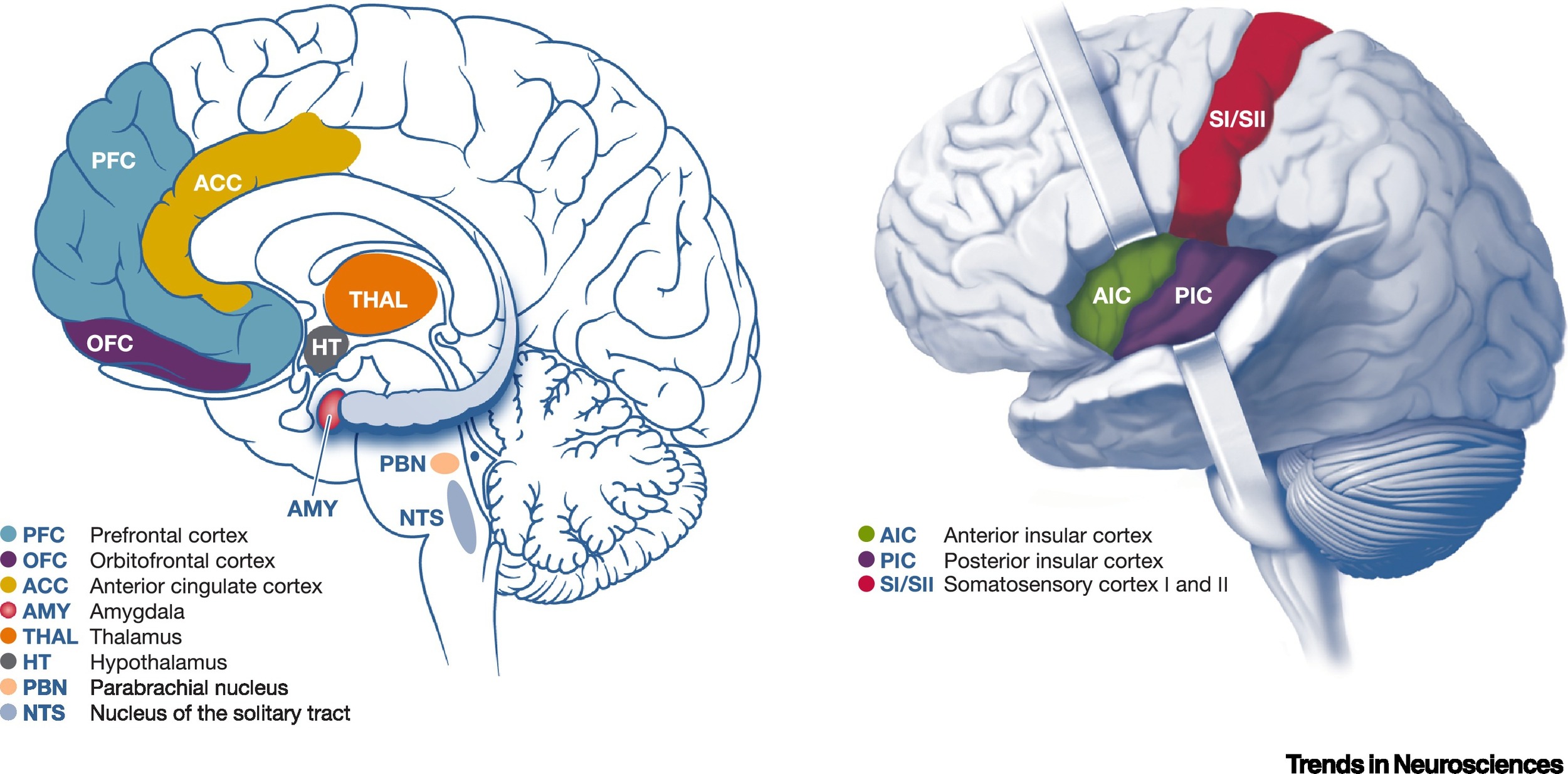
Researchers define interoception as the integration of internal physiological, emotional, and cognitive processes (Berntson & Khalsa, 2021). This integration happens primarily in the insula, a deep structure in the brain responsible for linking bodily states with emotions and decision-making.
A Historical Perspective
Understanding the neuroscience of interoception has evolved significantly over the last century:
19th Century: Focused on determining normal values for internal bodily parameters.
Mid-20th Century: Shifted to the concept of homeostasis—the body’s ability to maintain balance.
21st Century: Emphasizes the dynamic, bidirectional communication between the brain and body, with a spotlight on interoceptive integration.
This evolution mirrors the growing interest in how internal sensations influence behaviors and cognitive states—a crucial insight for professionals in leadership, health, and high-pressure roles.
Neural Pathways of Interoception
Two primary neural pathways transmit interoceptive information:
Cranial-Vagal Pathway: Processes mechanical and chemical signals through the vagus nerve to the brainstem.
Spinal Pathway: Transmits pain, temperature, and tissue-related signals via spinal ganglia.
These pathways converge in the insula, where interoceptive data is integrated with emotional and cognitive inputs. The result? A highly personalized internal map that influences mood, behavior, and decision-making.
Why Interoception Matters in Business
Business professionals with strong interoceptive awareness are often better at emotional regulation, empathy, and stress management. These skills are essential for:
Leadership: Reading and managing one’s own emotional and physical states leads to better team guidance.
Negotiation: Recognizing stress or anxiety early can help shift strategies in real time.
Decision-making: Bodily cues (like gut feelings) are tied to the brain’s prediction system, offering fast, unconscious insights.
Learn more about how neuroscience enhances leadership performance.
Disorders and Dysfunctions of Interoception
Disruptions in interoception have been linked to mental health issues like:
Anxiety
Depression
Autism spectrum disorders
Substance abuse
Eating disorders
For example, research shows altered connectivity in the insula among people with PTSD or autism, contributing to emotional dysregulation (Chen et al., 2021).
Improving Interoceptive Awareness
1. Behavioral Interventions
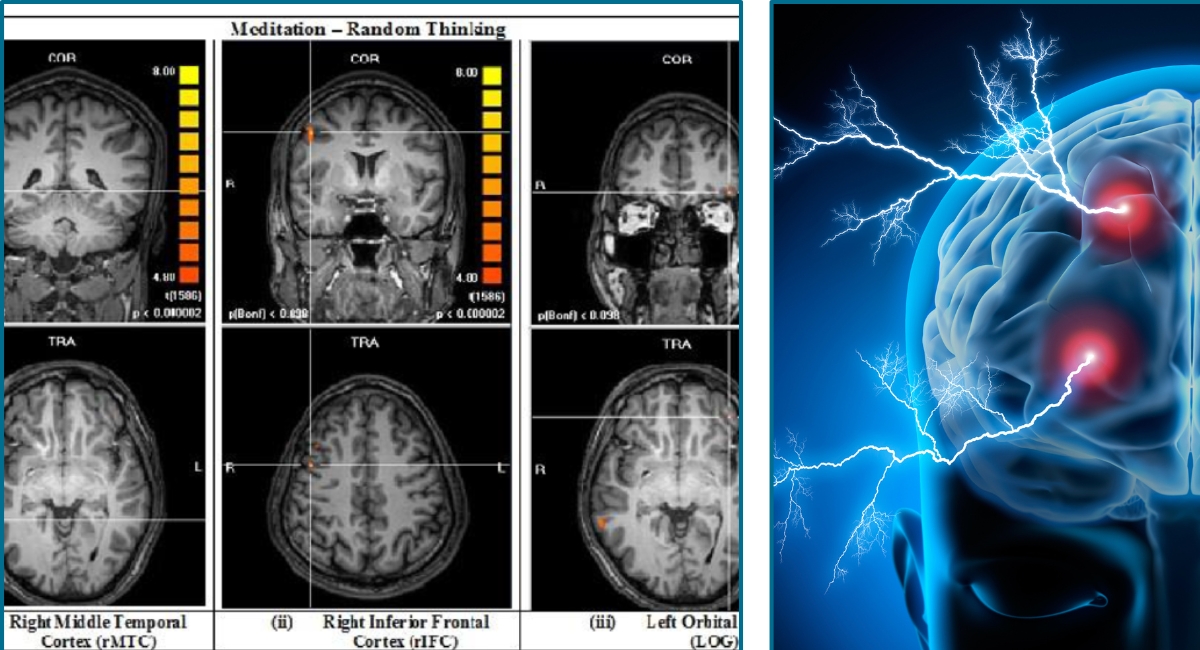
Mindfulness meditation and cognitive behavioral therapy help build awareness and control over internal sensations.
2. Neural Stimulation
Techniques like vagus nerve stimulation or transcranial magnetic stimulation show promise but require more research.
3. Pharmacological Approaches
Investigational drugs that modulate interoceptive responses are being explored but aren’t widely available yet.
Key Takeaways
Interoception is a crucial but underrecognized sense that helps regulate bodily and emotional states.
The neuroscience of interoception provides insights into leadership, mental health, and behavior.
The insula acts as a central hub, linking body signals to brain responses.
Improving interoceptive awareness can lead to better decision-making and emotional control—key assets in both personal and professional life.
Ready to Explore the Science Behind Decision-Making?
Our Master’s in Neuroscience in Business program dives deep into concepts like interoception, helping students apply cutting-edge brain science to business challenges.
References:
Berntson, G., & Khalsa, S. (2021). Neural Circuits of Interoception. Trends in Neuroscience, 44(1), 17-28.
Chen, W. et al. (2021). The Emerging Science of Interoception. Trends in Neuroscience, 44(1), 3-16.
Brandmeyer, T., Delorme, A., & Wahbeh, H. (2019). The neuroscience of meditation. Progress in Brain Research, 244, 1-29.


